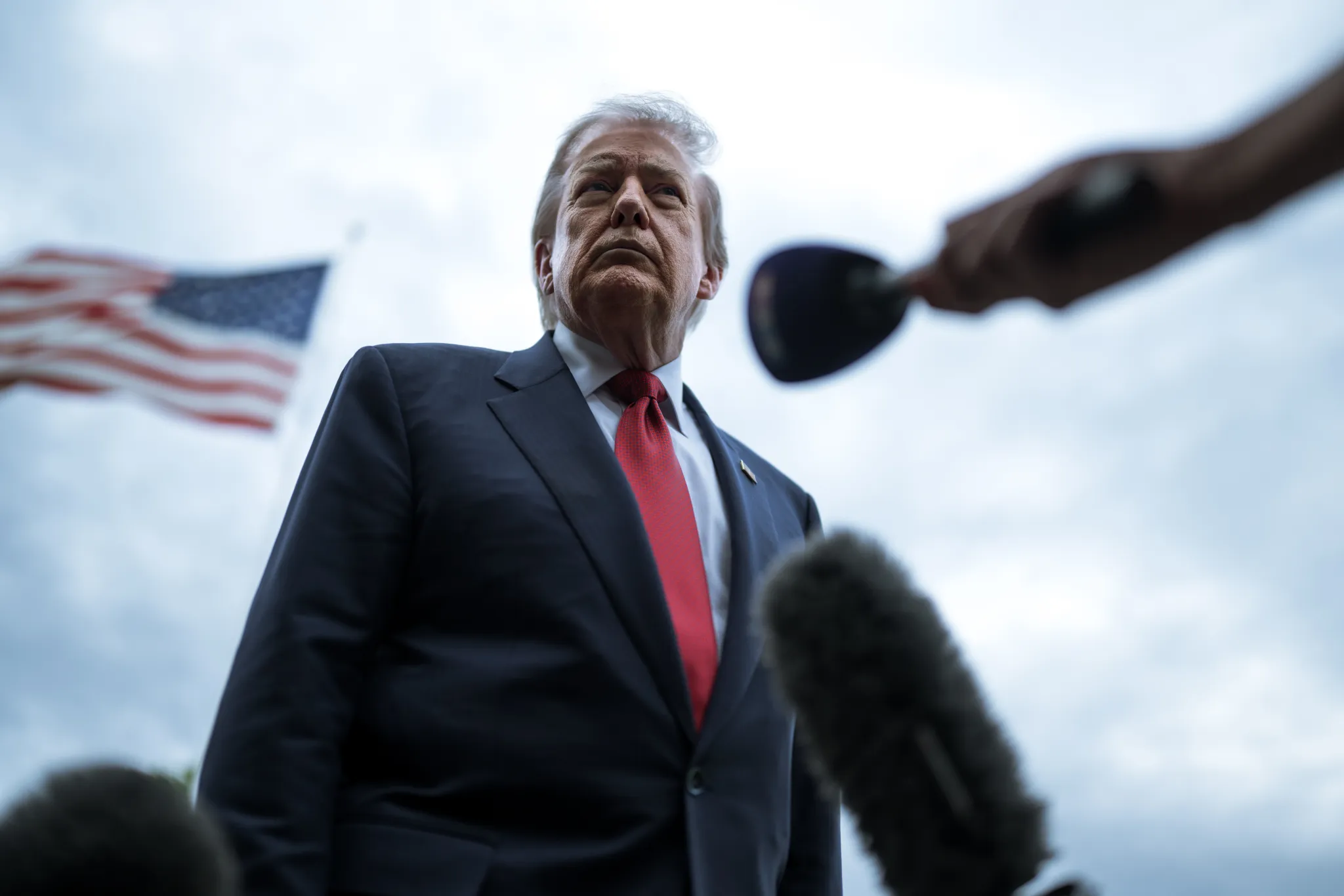
President Donald Trump has officially given Iran a 48-hour window to reopen the Strait of Hormuz, threatening to “obliterate” the nation’s power grid if they fail to comply.
In an escalation of the Middle East crisis, the Trump ultimatum marks a definitive end to any hopes of a quiet diplomatic resolution. What was previously described as a “winding down” of military tension has now transformed into a high-stakes countdown that could redefine global energy security and international relations.
The 48-Hour Window: Breaking Down the Trump Ultimatum
The core of the Trump ultimatum is simple but devastating: Iran has exactly 48 hours to restore full, unrestricted access to the Strait of Hormuz. This waterway is the lifeblood of the global oil trade, and its closure has already caused a historic spike in crude oil prices.
According to White House cited by Reuters, the President’s shift in tone from “peace-seeking” to “obliteration” follows intelligence reports of Iranian-backed attacks on U.S. interests, including the Diego Garcia military base. The Trump ultimatum serves as a final warning before the United States transition from economic sanctions to direct kinetic action against Iran’s domestic infrastructure.
Why the Trump Ultimatum Targets Iran’s Power Plants
Unlike previous conflicts that focused on ground invasions, this Trump ultimatum specifically threatens Iran’s electrical and energy infrastructure. The strategy is clear: disable the country’s ability to function as a modern state without necessarily launching a full-scale occupation.
- Precision Strikes: The U.S. military is reportedly prepared to use stealth technology and cyber-warfare to fulfill the Trump ultimatum.
- Economic Paralysis: By targeting power plants, the U.S. aims to force a domestic crisis within Iran, making it impossible for the regime to sustain its blockade of the Strait.
- Global Precedent: This move signals a new era of “Maximum Pressure 2.0,” where the U.S. uses its technological superiority to enforce maritime laws.
Market Reaction: Oil, Gold, and the Trump Ultimatum
Financial markets reacted instantly to news of the Trump ultimatum. Investors are fleeing “risk-on” assets, leading to a massive surge in:
- Oil Prices: Brent Crude is testing $120/barrel as the 48-hour clock ticks down.
- Safe Havens: Gold and the U.S. Dollar have seen a sharp increase in demand.
- Defense Stocks: Major aerospace and defense contractors have seen their shares climb following the Trump ultimatum announcement.
Financial analysts warn that if the deadline passes without a resolution, we could see the most volatile week in trading history since the 2008 crash.
Read More: Trump Accuses Obama of Treason in Late-Night Posts
Global Geopolitics: Who Supports the Trump Ultimatum?
The international community is deeply divided over the Trump ultimatum. While traditional allies like the UK and Israel have voiced support for securing “freedom of navigation,” the European Union has expressed “grave concern” regarding the humanitarian impact of a total power grid failure in Iran.
Meanwhile, China and Russia have officially condemned the Trump ultimatum, calling it an illegal threat of force that bypasses the UN Security Council. The next 48 hours will determine if these global powers will intervene or if the U.S. will act unilaterally.
Will Iran Blink?
The world now waits to see how Tehran will respond to the Trump ultimatum. Will the Iranian leadership prioritize the reopening of the Strait, or will they call the President’s bluff and risk the “obliteration” of their national infrastructure?
As the 48-hour countdown continues, one thing is certain: the Trump ultimatum has fundamentally changed the rules of engagement in the Middle East.
For more political reporting and in-depth analysis, visit the Politics section at bdesk.news.

Ethan R. Brooks is a journalist with over 11 years of experience, specializing in finance, politics, and breaking news. He delivers timely, accurate reporting on market trends, economic developments, and major political events, helping readers stay informed on the stories that matter most.