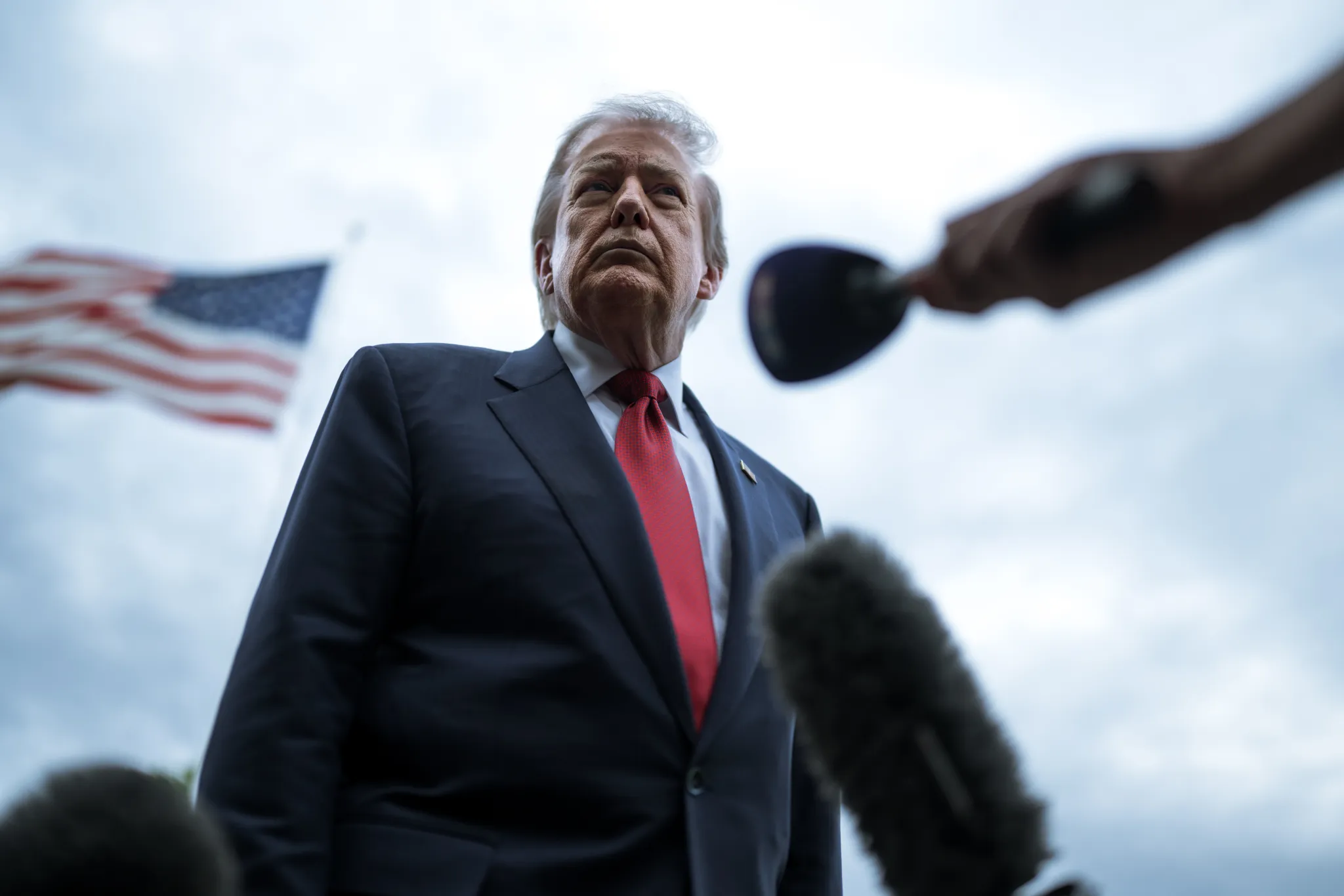
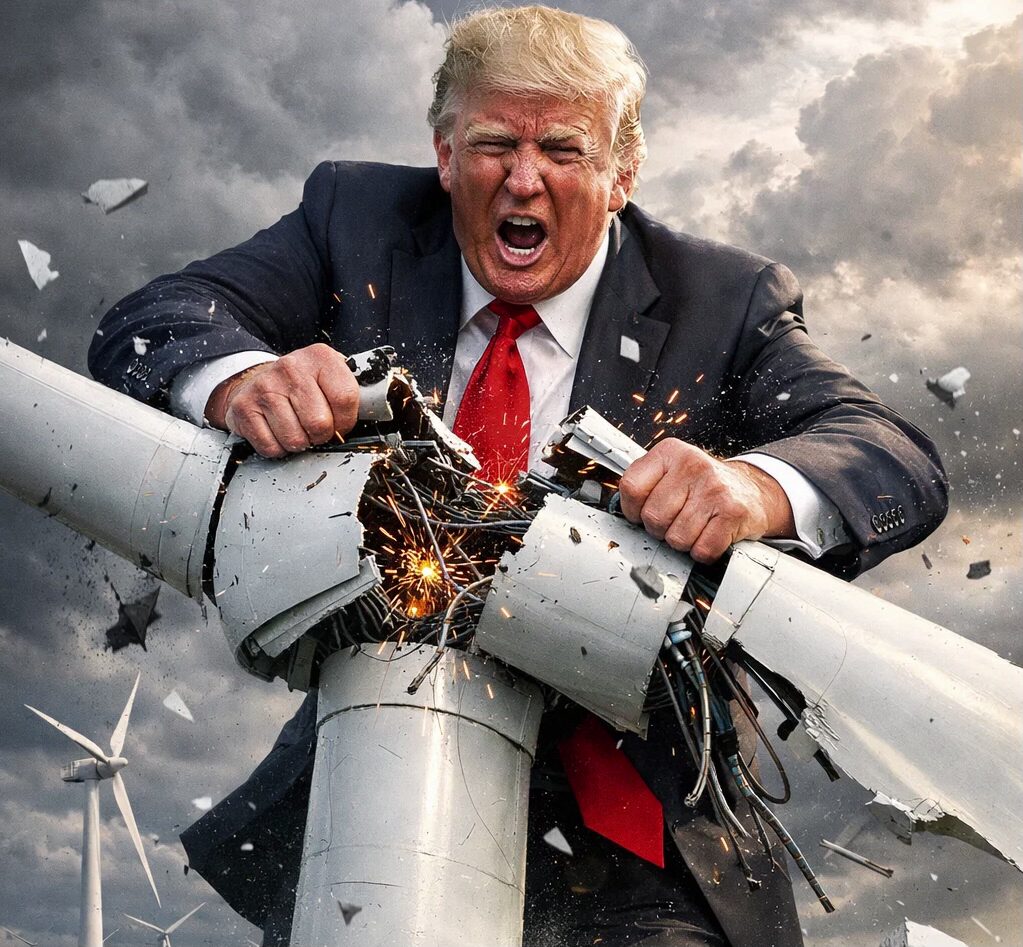
The Trump administration has agreed to spend nearly $1 billion in U.S. taxpayer funds to persuade French energy giant Total Energies to abandon planned offshore wind farms off the U.S. East Coast, a highly controversial shift in U.S. energy policy that favors fossil fuels over renewable projects.
Washington Post reports that Total Energies will receive roughly $928 million, essentially reimbursing what it previously paid for federal offshore wind lease areas, in exchange for relinquishing two leases near New York and North Carolina that were originally intended for major wind farm development.
What the Deal Actually Means
Under the deal announced publicly by the U.S. Department of the Interior:
- Total Energies will permanently give up its U.S. offshore wind leases, including the Attentive Energy and Carolina Long Bay project areas.
- The U.S. government will reimburse the company up to $928 million, reflecting lease payments originally made under previous administrations.
- Total Energies will redirect that capital toward oil, natural gas, and LNG projects in the U.S., including work at the Rio Grande LNG facility in Texas and expanded production in the Gulf of Mexico and U.S. shale regions.
The financial terms were revealed at the CERAWeek energy conference in Houston, where Interior Secretary Doug Burgum described the arrangement as a boost for “affordable, reliable” energy.
Administration Rationale and Political Context
The Trump White House has made a consistent effort to scale back federal support for offshore wind projects. The president has long criticized wind turbines as “expensive” and framed the cancellation as a move away from what his supporters call unreliable energy sources.
Rather than permitting wind projects to proceed under legal and regulatory uncertainty, the administration opted for a financial settlement, effectively paying to cancel future investment.
Criticism and Industry Response
Environmental groups, renewable energy advocates, Democratic state officials, and clean‑energy investors have sharply criticized the deal, calling it:
- A misuse of taxpayer dollars that rewards a foreign energy company for not building clean power infrastructure.
- A setback for state climate goals in places like New York and North Carolina that had planned to use offshore wind to reduce fossil fuel reliance.
- Undermining long‑term energy affordability by diverting capital toward oil and gas at a time of global emissions concerns.
Critics say the move could discourage future renewable energy investment and jeopardize U.S. competitiveness in offshore wind, which advocates argue is a growing industry with potential economic and environmental benefits.
Global Energy Implications
Total Energies has argued that U.S. offshore wind economics were less favorable compared to other markets and that redirecting investment makes business sense given regulatory hurdles and cost dynamics.
Still, industry analysts warn that canceling sizable offshore wind lease areas may dent investor confidence just as global demand for clean power intensifies, particularly after fossil fuel disruptions linked to geopolitical tensions.
Where This Leaves U.S. Energy Policy
This agreement signals a sharper federal tilt toward fossil fuel expansion, even as states pursue independent clean energy mandates and amid broader debates over how the U.S. will meet climate goals.
As of now, some renewable energy projects are already under legal challenge after federal freezes on permitting. This settlement essentially circumvents that by offering compensation rather than allowing wind development to proceed or be decided in court.
Read More on Trump:
- 🔗 Trump Ultimatum: 48 Hours to Open Strait of Hormuz or Face “Obliteration” – Coverage of President Trump’s hardline ultimatum to Iran over the strategic waterway.
- 🔗 Trump in Joy as the Former FBI Director Who Investigated Him Dies – A controversial reaction from Trump following the passing of former FBI Director Robert Mueller.
- 🔗 How the Strait of Hormuz Quietly Inflates Global Oil Prices in 2026 – Analysis of how geopolitical tensions tied to Trump era policy are affecting global energy markets.

Ethan R. Brooks is a journalist with over 11 years of experience, specializing in finance, politics, and breaking news. He delivers timely, accurate reporting on market trends, economic developments, and major political events, helping readers stay informed on the stories that matter most.