
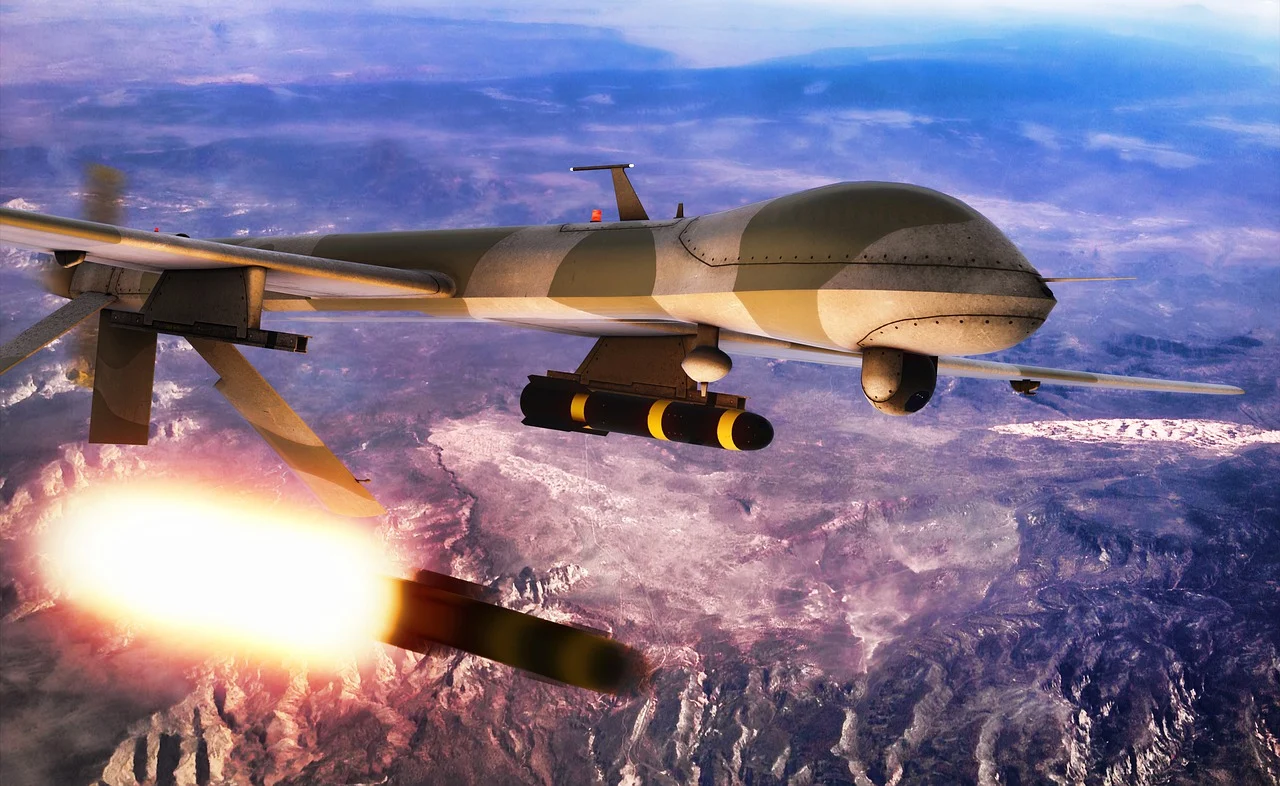
Russia has launched the largest aerial assault of the war in a single 24-hour period, firing up to 948 drones alongside cruise and ballistic missiles, according to Ukrainian officials and multiple international reports.
According to The Independent live coverage, the attack unfolded in two waves: 392 drones overnight followed by 556 during the day, a rare around-the-clock barrage that marks a significant shift in Russian tactics. Ukrainian authorities confirmed at least several civilian deaths and dozens of injuries as strikes hit multiple cities.
Reporting from The Guardian and Reuters describes the assault as one of the most intense since the full-scale invasion began, targeting infrastructure and urban centers including Kyiv and Lviv. Ukrainian President Volodymyr Zelensky said the scale of the attack demonstrates that Moscow has “no real intention of ending the war.”
A Record Broken and a Pattern Emerging
This was not just another escalation. It was a record-breaking operation.
Ukraine’s air force reported that Russia deployed nearly 1,000 drones in a single day, surpassing previous records and confirming long-standing warnings that Moscow was scaling up drone production.
What makes this strike particularly significant is not only the volume, but the structure of the attack:
- Overnight barrage to exhaust air defenses;
- Daytime follow-up previously rare in the war;
- Combined use of drones, cruise missiles, and ballistic weapons.
Military analysts say this layered approach is designed to overwhelm Ukrainian defense systems through saturation, forcing costly interceptions and exposing gaps.
The Strategic Message Behind the Missiles
On the surface, the attack is about destruction. Underneath, it’s about signaling.
The timing aligns with what analysts describe as the early stages of a new Russian spring offensive, but the deeper message is broader, Russia is demonstrating that it can sustain industrial-scale drone warfare.
According to prior assessments, Moscow has been steadily increasing drone output, with ambitions to reach mass deployment levels that fundamentally change the battlefield dynamic.
This latest strike suggests that capability is no longer theoretical, it is operational.
Ukraine’s Defense: Effective, but Strained
Despite the scale of the attack, Ukrainian defenses reportedly intercepted over 90% of incoming drones using a mix of:
- Air defense systems;
- Electronic warfare;
- Mobile interception units.
That success, however, comes at a cost.
Each interception consumes valuable resources, particularly Western-supplied systems like Patriot missiles, which are expensive and limited. Ukrainian officials have repeatedly warned that sustained attacks of this magnitude risk depleting defensive stockpiles faster than they can be replenished.
In simple terms: Ukraine is holding but the pressure is compounding.
A Shift From Night War to 24-Hour War
Until recently, Russia relied heavily on night attacks to reduce detection and maximize impact. This operation broke that pattern.
Daytime drone waves indicate growing confidence in both:
- The volume of available drones;
- The redundancy of attack waves (accepting losses while ensuring saturation).
This shift effectively turns the conflict into a continuous 24-hour aerial war, increasing psychological pressure on civilians and stretching defense forces around the clock.
Civilian Impact and Infrastructure Damage
Reports confirm:
- Civilian casualties across multiple regions;
- Damage to energy infrastructure;
- Strikes on historic and urban areas.
In western Ukraine, far from the front lines, cities like Lviv were hit, highlighting how no region is beyond reach of Russia’s expanding drone capabilities.
The broader consequence is cumulative: repeated infrastructure damage continues to weaken energy stability, disrupt daily life, and increase economic strain.
The Bigger Picture
This is no longer primarily a war of territory. It is increasingly a war of production capacity:
- Who can build more drones;
- Who can sustain more strikes;
- Who can afford the cost of interception.
Russia appears to be betting on quantity over precision, using large volumes of relatively cheap drones to erode Ukraine’s defenses over time.
Ukraine, by contrast, relies on high-value defensive systems and Western support, creating an asymmetry that becomes more dangerous the longer the war continues.
A Glimpse of What Comes Next
This record-breaking assault may not be an outlier. It may be a preview. If Russia can sustain operations at this scale, future attacks could become larger, more frequent, more difficult to defend against.
Read more breaking political & financial events:
- Suspicious Bets on US–Iran Ceasefire Raise Insider Trading Concerns
A closer look at unusual market activity surrounding geopolitical tensions. - Is the U.S. Facing a Hidden Debt Crisis?
Breaking down liabilities, unfunded obligations, and long-term risks. - 5 Best Dividend Stocks for Passive Income in 2026 (Top Picks)
A data-driven guide to stable income investments in uncertain times.

Ethan R. Brooks is a journalist with over 11 years of experience, specializing in finance, politics, and breaking news. He delivers timely, accurate reporting on market trends, economic developments, and major political events, helping readers stay informed on the stories that matter most.