In March 2026, Iran’s government and state‑linked media issued firm denials of several public claims made by U.S. President Donald Trump about negotiations with Tehran, describing them as misinformation or “fake news.” These Iranian responses have sparked international debate over credibility, media narratives, and the real state of diplomacy in the rapidly developing Iran‑U.S. crisis.
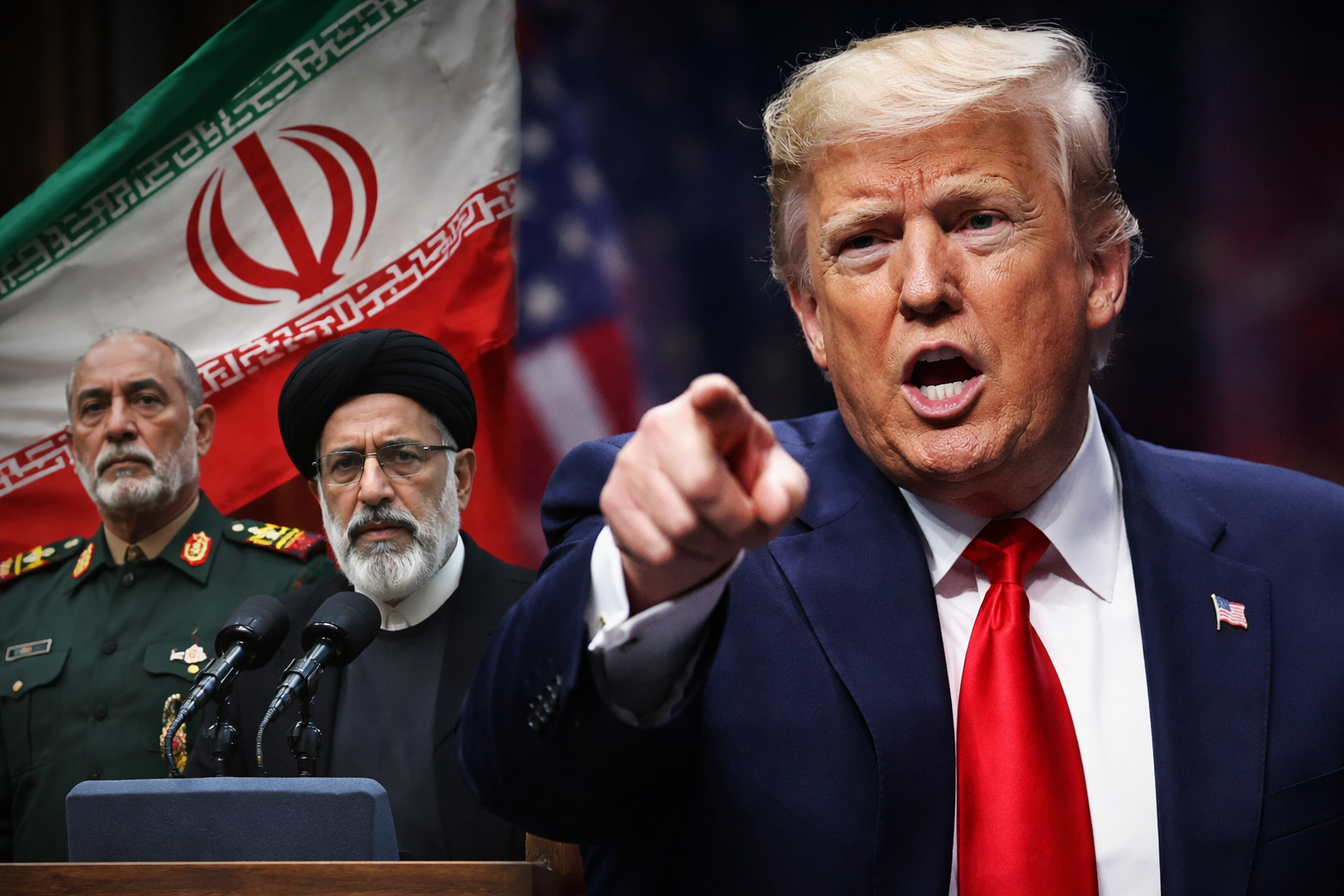
At the heart of the conflict is a direct contradiction: while President Trump has publicly announced that talks with Iran are underway, Iran’s officials have categorically denied this, saying no direct or indirect negotiations are taking place. Below, we analyze key statements, official sources, and context surrounding these conflicting claims.
Trump’s Public Claims About Talks With Iran
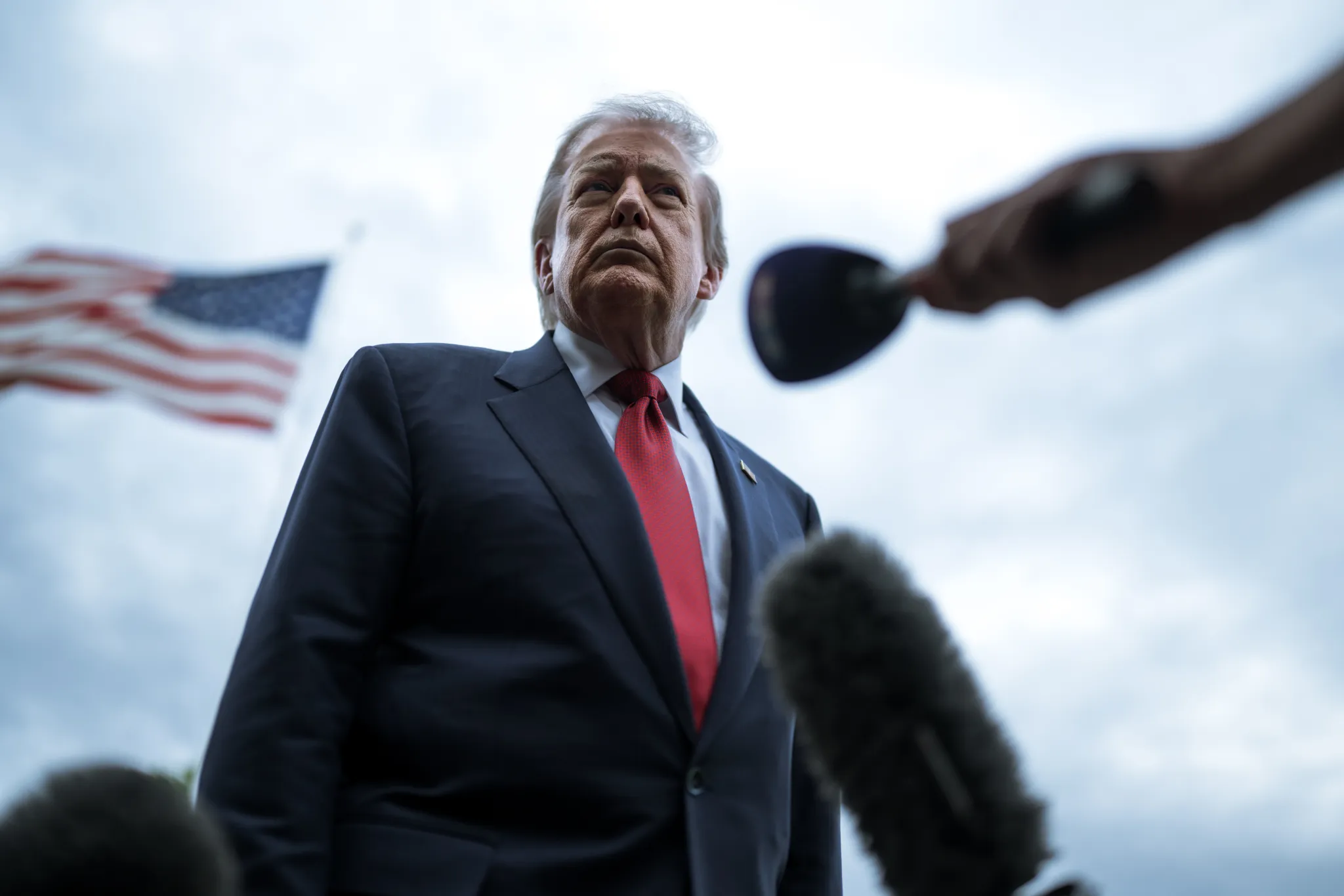
On March 24, 2026, President Trump asserted that the United States had been engaged in “productive discussions” with Iranian counterparts regarding potential diplomatic progress, including over critical issues such as energy and cessation of hostilities.
These statements were widely reported in international news. Reuters covered his remarks, including his characterization that Iran had made significant energy‑related concessions to the U.S. and that Tehran sought a breakthrough deal of high value to Washington.
At the same time, Trump publicly claimed that Iran “agreed to no nuclear weapons” and framed that pledge as a major concession in evolving negotiations, even though Iranian officials made no corroborating statement.
Trump also suggested his administration was “dealing with the right people” in Iran, implying substantive engagement with Iranian leadership.
Iran’s Official Denials and Accusations of Falsehood
In response to Trump’s claims, Iranian sources, including governmental figures and state‑linked media, issued sharp contradictions.
Denials of Direct or Indirect Contact
According to reporting from Al Jazeera via YouTube, Iranian officials explicitly stated that there has been no direct or indirect communication with the United States, countering Trump’s assertions that talks were underway:
Watch the report: Iran denies Trump claim of direct talks — Parliament Speaker calls it “fake news”
Another Al Jazeera video, highlighted that Iranian media including outlets like Fars News Agency said no contact had occurred through intermediaries either, asserting that Trump’s claims were not grounded in any official dialogue.
See: Iranian media say no direct or indirect contact with Trump
These reports clearly show the Iranian denial as directly contradicting the U.S. version of events, essentially calling the U.S. claims of negotiations untrue.
Iranian State Media Coverage
Semi‑official Iranian news agencies such as Fars reported that, according to Iranian sources, no negotiations with Trump were taking place at any level and that Trump “backed down” from his earlier positions after Tehran’s military warnings. These statements were widely shared on social platforms and aggregated by independent online forums.
The Iranian Foreign Ministry also issued statements asserting that Trump’s messages about dialogue were part of a U.S. narrative designed to influence global energy markets and distract from ongoing military and geopolitical tensions.
No Verified Diplomatic Exchange
Iran claims that no verified communication, direct, indirect, or through intermediaries has taken place with the Trump administration. This strongly contradicts Trump’s message of productive talks.
Strategic Messaging and Information Warfare
Iran’s denials may be part of a strategy aimed at preserving negotiating position and domestic credibility. Some analysts argue that Tehran would avoid acknowledging negotiations publicly for political reasons, particularly during ongoing armed conflict and domestic unrest.
Accusations of Manipulating Markets and Global Opinion
Iranian statements have framed Trump’s narrative as an effort to influence energy markets and public opinion rather than a reflection of substantive talks. This was cited in foreign ministry responses reported via social platforms.
What Independent Data Shows
Fact‑checkers and analysts have noted a pattern of false or misleading statements by President Trump in his second term, including related to Iran. According to a consolidated list of documented inaccuracies:
- Trump has claimed the U.S. had “obliterated” Iran’s nuclear capabilities, a statement contradicted by assessments that the program was seriously damaged but not destroyed.
- He has repeated unsupported claims about Iran’s involvement in U.S. elections and exaggerated missile threats.
- He has asserted that Iranian attacks on Gulf states were “not expected,” despite intelligence assessments that such retaliation was a likely outcome of escalation.
These documented cases suggest a broader context in which Iranian officials’ mistrust of Trump’s statements about diplomacy may be rooted in credible patterns of misinformation.
Broader Context: Iran‑U.S. Conflict Dynamics
It’s important to frame these conflicting narratives against the backdrop of the 2026 Iran‑U.S. conflict, which has been marked by direct attacks, diplomatic breakdowns, and global energy market disruptions.
Key developments, including strikes on Iranian nuclear or military targets and Iran’s military response, have fueled mutual distrust between Tehran and Washington. International actors like Gulf states have expressed concern about escalation, and analysts suggest that differing public narratives over negotiations may be tactical as much as factual.
What This Means for Media and Public Perception
The direct contradiction between President Trump’s public statements and Iranian denials has led to confusion in global media coverage. Independent fact‑checking bodies have noted a series of misleading claims by U.S. leadership concerning Iran, lending credibility to Iranian skepticism.
At the same time, observers caution that in wartime, all sides may engage in strategic messaging. Therefore, distinguishing propaganda from verified diplomatic communications is vital for accurate public understanding.
Conclusion
Iran’s government and affiliated media have publicly characterized claims by President Trump about peace talks and diplomatic negotiations as false, citing a lack of direct communication and labeling U.S. statements “fake news.” These assertions come amid a backdrop of broader geopolitical conflict, documented inaccuracies in official U.S. messaging, and complex global media narratives.
Whether the truth lies in miscommunication, strategic messaging, or political signaling, the public denials from Iranian sources backed by official statements and state‑linked media coverage, make it clear that Tehran rejects Trump’s account of active negotiations.
Continue Reading:
– Slovenia Elections 2026: Key Results, Political Shift, and What It Means for Europe – A detailed analysis of the recent Slovenia elections and how the outcome could influence European Union politics and regional stability.
– Russia Scales Up Disinformation Operations with AI: What You Need to Know – An in‑depth look at how Russia is using artificial intelligence to enhance disinformation campaigns across Europe, highlighting growing challenges for democracies.
– NATO Sea Shield 2026 Kicks Off in Romania With 2,500 Troops in Black Sea – Coverage of NATO’s major naval exercise in the Black Sea, emphasizing security cooperation at a time of heightened geopolitical tension in Eastern Europe.

Ethan R. Brooks is a journalist with over 11 years of experience, specializing in finance, politics, and breaking news. He delivers timely, accurate reporting on market trends, economic developments, and major political events, helping readers stay informed on the stories that matter most.