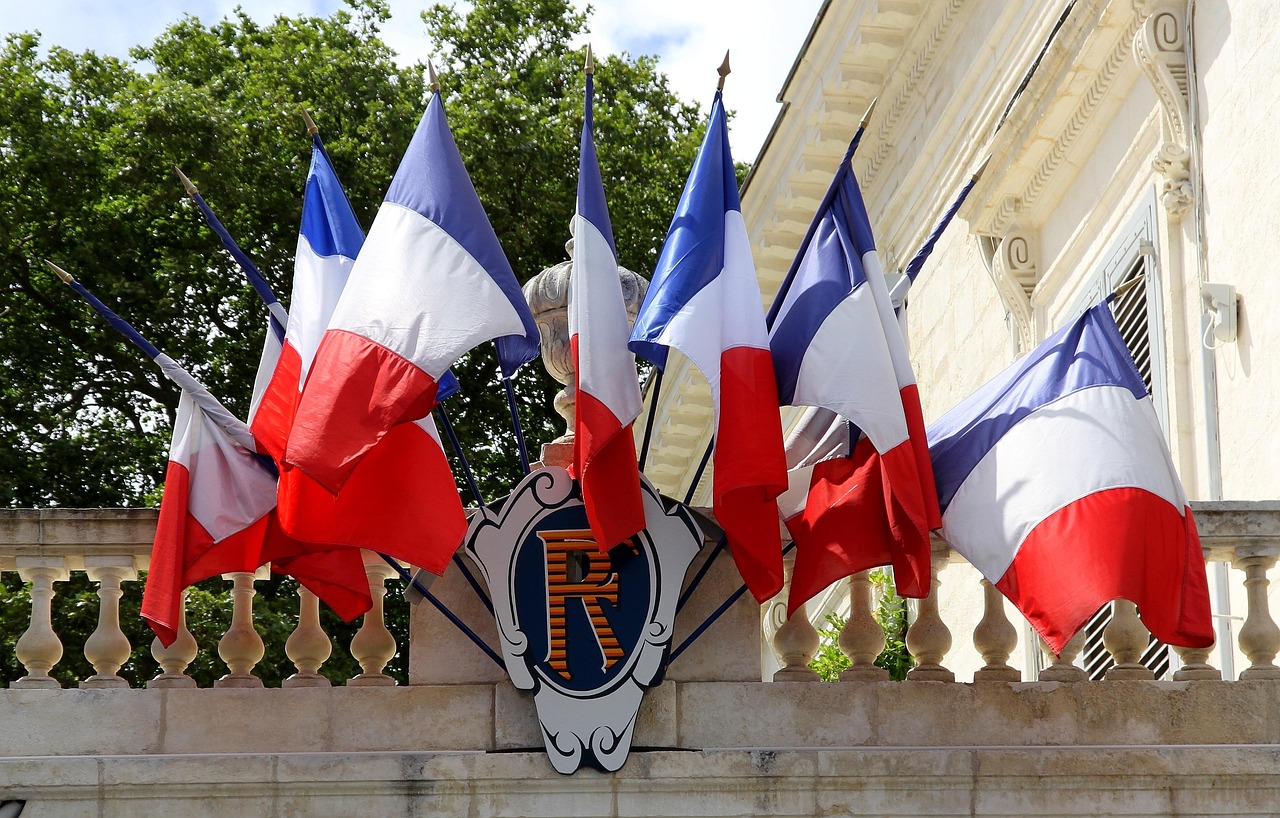
When the word superpower is used in geopolitics, most people think of nations like the United States, China or (in history) the Soviet Union. But France occupies a unique position in the contemporary world: a nation with a robust economy, a seat on the United Nations Security Council, nuclear weapons and perhaps most distinctively, a set of territories scattered across the planet that give it strategic reach far beyond continental Europe.
France’s influence is not limited to Paris and its European hinterland. Stretching from the Caribbean to the South Pacific, from the Indian Ocean to Antarctica, its overseas departments, collectivities and territories make it one of the world’s most globally dispersed states. According to Wikipedia, modern France includes metropolitan territory and 13 overseas entities with varying statuses under French law.
These territories matter not just culturally or historically, but strategically, providing military bases, economic zones, scientific facilities, and regional influence that significantly boost France’s global power.
Metropolitan France – The Core of Power
Before exploring overseas lands, it’s important to recognize metropolitan France, the European mainland portion of the Republic. It spans approximately 551,695 square kilometers and serves as the administrative, economic and political hub of the country. Paris is one of the world’s major financial, diplomatic and cultural capitals, and the French state’s core institutions reside here.
While metropolitan France anchors the nation’s core capabilities, its power projection overseas depends on what lies beyond Europe.
French Guiana – Europe in South America
Area: ~83,534 km² (land)
Location: Northern coast of South America
Status: Overseas department and region of France (part of the EU)
One of the largest overseas territories by land area, French Guiana sits on the continent of South America sandwiched between Brazil and Suriname. More than just a geographic outpost, it hosts the Guiana Space Centre near Kourou, Europe’s primary spaceport.
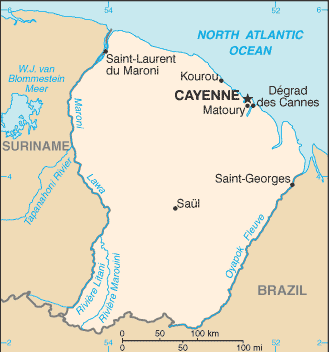
Launched in 1968, the Guiana Space Centre is uniquely positioned near the equator, offering more efficient payload boosts into orbit compared to many other launch sites. It is used by the European Space Agency (ESA), Arianespace and France’s national space agency, CNES, and represents a critical node in European autonomy for satellite launches. This facility ties France to the cutting edge of global space capability and enhances its geopolitical influence in scientific and strategic domains.
Caribbean Gateways – Guadeloupe and Martinique
Guadeloupe: ~1,628 km²
Martinique: ~1,128 km²
Status: Overseas departments and regions (EU outermost regions)
Two of France’s most well‑known overseas territories, Guadeloupe and Martinique lie in the eastern Caribbean and are integral parts of France, legally indistinguishable from regions in continental France. Their citizens are French nationals, they use the euro, and they elect representatives to the French Parliament.
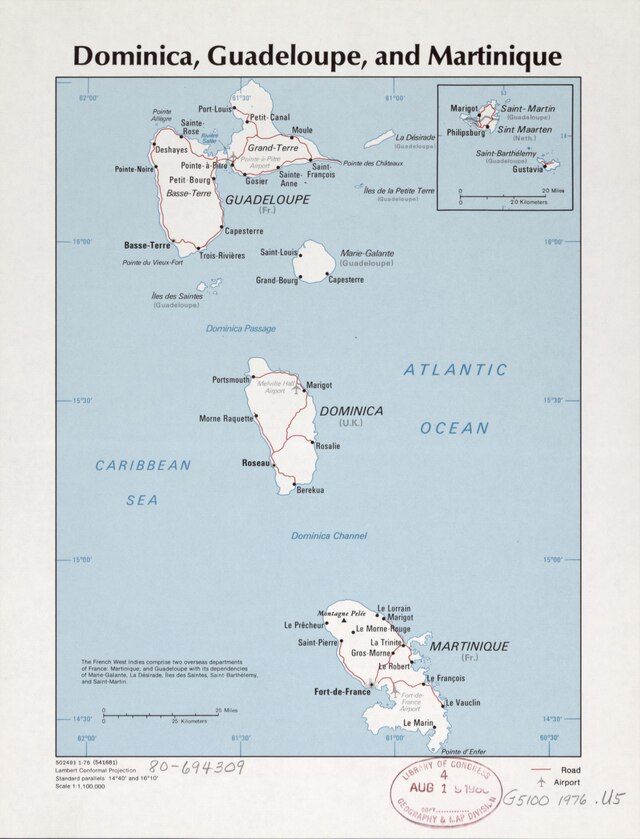
Strategically, these islands serve as France’s western Atlantic outposts, ensuring Paris retains influence in Caribbean geopolitics and maritime affairs. They help anchor French engagement with Caribbean countries and regional organizations, and contribute to France’s presence in Atlantic shipping routes.
Indian Ocean Anchors – Réunion and Mayotte
Réunion: ~2,504 km²
Mayotte: ~374 km²
Status: Overseas departments and regions (EU outermost regions)
Out in the Indian Ocean, Réunion and Mayotte extend France’s presence into one of the world’s most dynamic maritime zones. Mayotte, situated between Madagascar and mainland Africa in the Mozambique Channel, occupies a strategically vital shipping lane used by vessels traversing the Suez Canal or linking Asia to Europe.
Réunion, larger and more populous, serves as a logistical hub for French military and administrative operations in the Indian Ocean. Together, these islands enhance France’s ability to project power, participate in anti‑piracy and maritime security efforts and engage with East African and Indo‑Pacific partners.
Pacific Reach – French Polynesia and New Caledonia
French Polynesia
Area: ~3,521 km² (land)
Status: Overseas collectivity (overseas country of France)
French Polynesia spans an archipelago of more than 120 islands in the South Pacific, from the Society Islands to the Marquesas and Tuamotu chains. Its total land area is relatively modest but its maritime reach is immense, giving France one of the largest exclusive economic zones (EEZ) in the Pacific.
This maritime domain is strategically significant for resource rights (fisheries, undersea minerals), regional diplomacy with Pacific states, and as part of France’s influence in Oceania. Although not fully part of the EU, French Polynesia’s association with France remains central to Paris’s Pacific strategy.
New Caledonia
Area: ~18,576 km²
Status: Special collectivity (sui generis)
New Caledonia, with its substantial nickel and critical mineral reserves, is economically important for France and Europe. These resources are central to modern industries, including batteries and high‑tech alloys, making the territory valuable on both economic and strategic fronts.
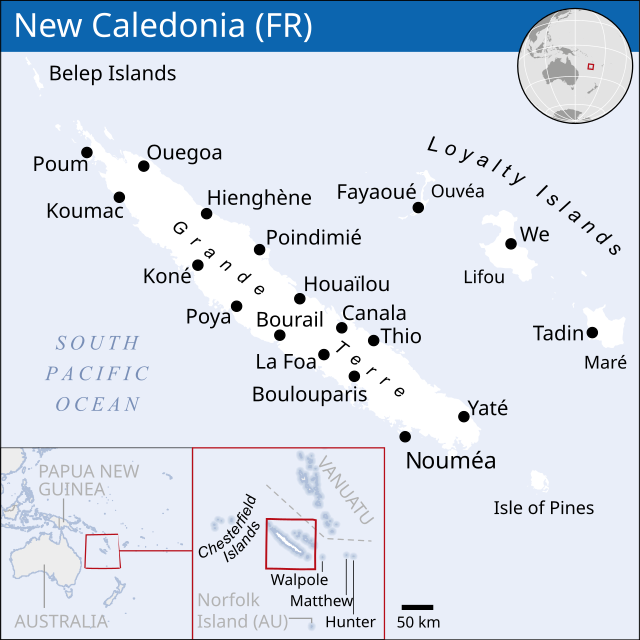
Located in the subtropical southwest Pacific, New Caledonia also hosts French military installations and plays a role in maintaining Paris’s presence near Asia‑Pacific maritime routes as global competition shifts toward Indo‑Pacific geopolitics.
Smaller but Strategically Planned Territories
Saint Pierre and Miquelon — Northern Outpost
Area: ~242 km²
Status: Overseas collectivity
Location: Off the coast of Newfoundland, Canada
This small archipelago provides France with a presence in North American waters and access to North Atlantic fishing zones. While modest in size, it symbolizes France’s continued engagement in Atlantic maritime affairs.
Saint‑Martin & Saint‑Barthélemy
Saint‑Martin: ~53 km²
Saint‑Barthélemy: ~25 km²
Status: Overseas collectivities
Set in the northeastern Caribbean, these tiny islands punch above their weight due to tourism, high‑end economies and cultural influence. Saint‑Martin, for example, shares an international land border with the Dutch territory of Sint Maarten, the only French‑Netherlands land border in the world. Their strategic value lies in regional diplomacy and economic connectivity.
Wallis and Futuna
Area: ~142 km²
Status: Overseas collectivity
Wallis and Futuna are three main islands in the South Pacific, reinforcing France’s presence in Oceania and offering geographical anchoring in a region where major powers are increasingly active.
Remote Assets: Clipperton Island and the TAAF
Clipperton Island, A Tiny but Strategic Atoll
Area: ~2 km²
Status: Uninhabited French territory under the authority of the government
Though uninhabited, Clipperton Island expands France’s maritime rights in the Eastern Pacific and enhances its strategic footprint. Its remote location gives France sovereign claim over surrounding waters, contributing to one of the world’s largest collective EEZs.
French Southern and Antarctic Lands (TAAF)
Area (land): ~439,666 km²
Associated EEZ: ~2.27 million km²
Status: Overseas territory (TAAF) with no permanent population
The Terres australes et antarctiques françaises (TAAF) include the Kerguelen, Crozet and Saint‑Paul islands, the Scattered Islands in the Indian Ocean and Adélie Land in Antarctica.
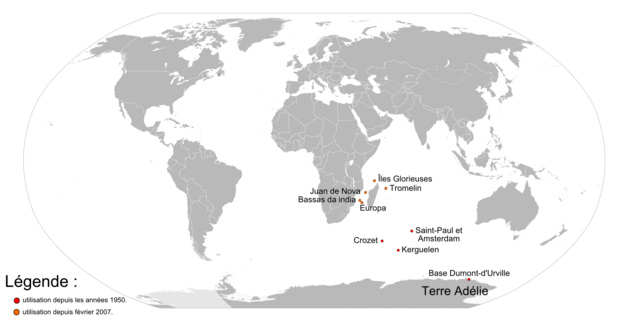
While virtually uninhabited, their value comes from scientific research, biodiversity monitoring and vast maritime zones vital for resource rights and climate science. France’s claim in Antarctica also places it within global polar affairs and environmental governance discussions.
Why These Lands Make France a Superpower
Taken together, France’s overseas territories give it one of the largest collective exclusive economic zones in the world, second only to the United States, spanning millions of square kilometers of ocean. Many of these territories lie in geopolitically sensitive maritime regions, from the Caribbean Sea to the South Pacific and the Indian Ocean, allowing France to maintain military presence, regional partnerships and influence.
France’s Global Footprint in the 21st Century
France’s overseas territories are much more than historical relics of a colonial past. As reported by analysts and supported by data from global geostrategic sources, these lands form a living backbone of French influence, ensuring the country retains global reach in diplomacy, military presence, resource access and scientific capability.
By anchoring France across the world’s oceans and continents, and by supporting one of the largest maritime domains under a single sovereign power, these territories make France a truly global actor in the contemporary international system.
Sources & Further Reading:
- France’s overseas strategic role (FRS)
- French Southern and Antarctic Lands territory & EEZ – Wikipedia
- Images licensed under CC BY 4.0 from Wikimedia Commons.
- Russia Fires Record Number of Drones in 24 Hours – Nearly 1,000 Strike Ukraine

Ethan R. Brooks is a journalist with over 11 years of experience, specializing in finance, politics, and breaking news. He delivers timely, accurate reporting on market trends, economic developments, and major political events, helping readers stay informed on the stories that matter most.