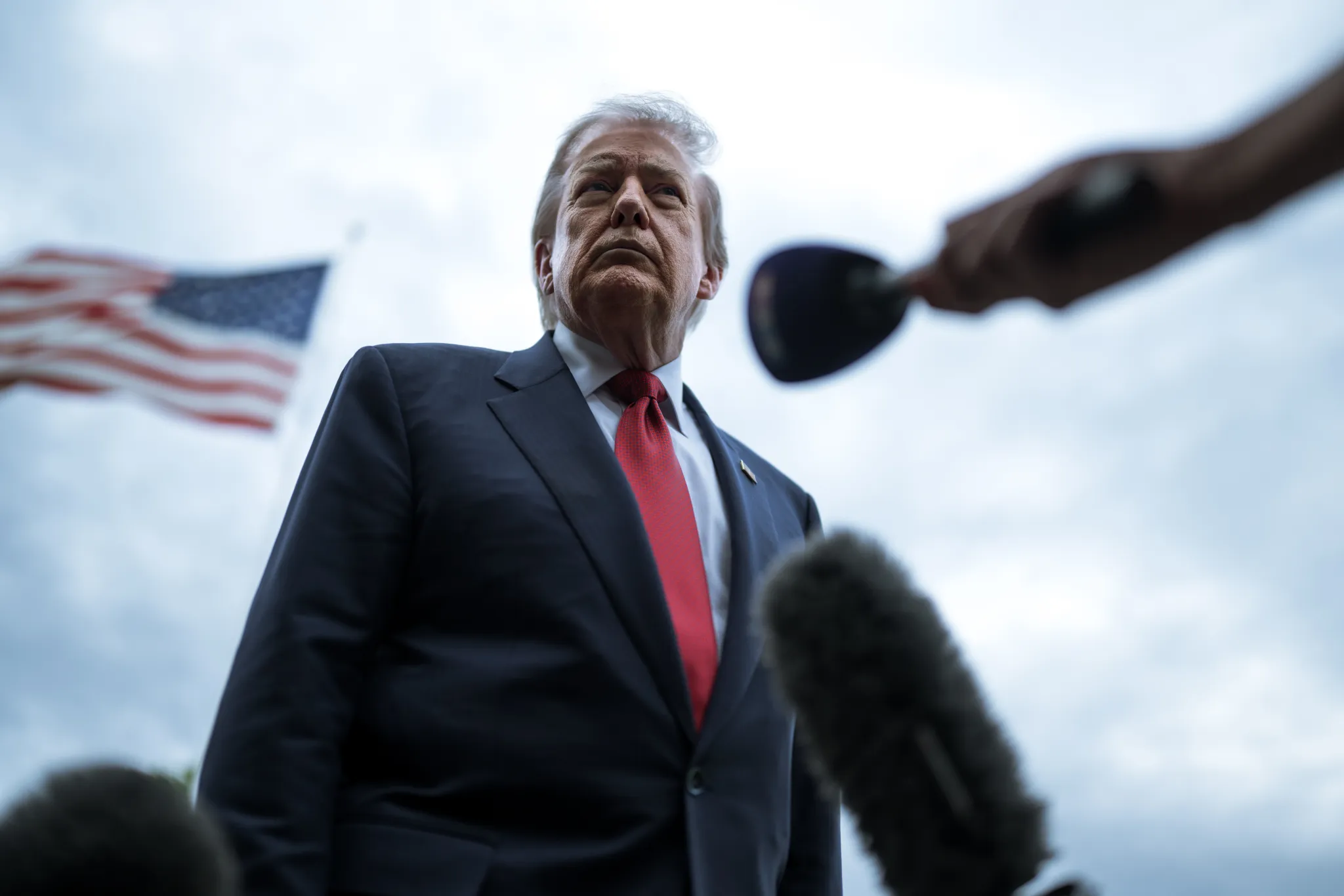
Yesterday, the U.S. President Donald Trump stirred global attention by referring to the Strait of Hormuz as the “Strait of Trump”, a nickname that immediately sparked controversy, commentary, and confusion. The remark came amid heightened tensions in the ongoing Iran–U.S.–Israel conflict, where the Strait of Hormuz has become one of the most strategically sensitive maritime passages in the world.
What Did Trump Actually Say?
Speaking at a high‑profile event in Miami, Trump described the strait, the narrow waterway linking the Persian Gulf to the Gulf of Oman and one of the world’s most important oil transit routes, with a wink of humor, calling it the “Strait of Trump” Wall Street Journal reported. He later played down the gaffe but made it clear it was not accidental.
At the same event, Trump reassured the audience that “no accidents with me,” and made light of slipping into the unconventional name while discussing the importance of keeping the key channel open for global energy supplies.
This remark was followed by wider talk, including a report suggesting Trump might consider formally renaming the strait to either the “Strait of America” or the “Strait of Trump” if U.S. forces were to successfully secure it from Iranian influence.
Why the Strait of Hormuz Matters
The Strait of Hormuz is not just a geographical location, it is one of the world’s most important shipping chokepoints, especially for global energy markets. An estimated around 20% of the world’s crude oil and liquefied natural gas (LNG) passes through this 21‑mile‑wide waterway every day. Disruption here can send oil prices surging, markets into turmoil, and strategic anxieties soaring.
Since the start of the Iran war, disruptions in this strait have been at the center of global economic and military strategy. Iran’s Revolutionary Guards declared the strait effectively closed to shipping early in the conflict, and naval mines were reported to have been laid, heightening risks for commercial traffic.
Trump’s Strategic Rhetoric and Pressure on Iran
For weeks, Trump has made keeping the strait open a central part of his diplomatic and military posture. In addition to coining his own nickname for Hormuz, he has issued pressure to Iran to reopen it to maritime traffic, at one point extending deadlines for Iran to allow unrestricted passage of tankers.
Trump’s administration also floated the possibility of having the U.S. Navy escort oil tankers through the strait, a strategy that underscores the high stakes attached to this narrow waterway.
These moves come amid broader efforts to ensure global energy stability amid war‑related disruptions, a responsibility that the Trump administration argues is vital not just to the U.S., but to allied and non‑aligned countries alike.
Political and Strategic Implications of the “Strait of Trump” Comment
While some have dismissed the “Strait of Trump” comment as a lighthearted or spontaneous remark, others see it as a symbol of Trump’s assertive and personally branded approach to foreign policy.
- On one hand, it emphasizes his desire to be seen as the central figure behind any successful reopening or securing of Hormuz.
- On the other, critics argue that it reflects a diplomatic tone‑deafness, especially at a moment of intense geopolitical risk.
Trump’s push to involve other nations in securing Hormuz has so far met limited enthusiasm from NATO allies, who have been hesitant to commit warships or troops to what they see as a U.S‑led conflict.
This dynamic has at times strained relations with European partners and highlighted fractures in global cooperation at a moment when multilateral support might be seen as important for stable navigation and oil transit.
Energy Markets and Global Ramifications
The closure or obstruction of the strait has already had significant economic consequences. Oil prices surged as shipping risks increased and transit routes became more uncertain. This has fed into inflationary pressures worldwide and triggered emergency releases from strategic petroleum reserves.
Keeping the strait open and stable is therefore not merely a matter of military strategy, but one of global economic security.
Trump’s remarks and pressure campaigns reflect this reality: ensuring the strait remains navigable is seen as crucial for the world economy.
Domestic and International Reactions
Reactions to Trump’s comment and strategic posture have been mixed:
- Supporters see the remark as emblematic of a leader taking bold steps to secure global trade routes and resupply global energy flows.
- Critics label it self‑aggrandizing and question whether the U.S. should be framing one of the world’s key international waterways in such personal terms, especially one that the U.S. does not actually own.
Some lawmakers and analysts also point to Trump’s broader rhetoric, including contradictory statements about the war and U.S. reliance on allies, when interpreting the strength and coherence of U.S. strategy.
Legal and Geopolitical Realities
It’s also critical to note that the United States has no legal sovereignty over the Strait of Hormuz. The strait is an international waterway, bordered by Iran and Oman, and its name and status are matters of international maritime law, not unilateral presidential declaration.
Iran asserts its own control and influence, and many global powers have interest in ensuring freedom of navigation, making the situation more complex than any single name change could address.
What Comes Next?
The “Strait of Trump” comment may fade as a momentary headline, but it reflects deeper tensions in the global political landscape:
- The continuing Iran war and its impact on strategic corridors;
- The U.S. push to secure global energy markets;
- The complicated task of assembling international cooperation amid conflict.
As the crisis continues, the fate of the Strait of Hormuz remains central, not just to the U.S., Iran, or Israel, but to the global economy that depends on the steady flow of oil and gas through its narrow channel.
Continue Reading:
Iran Says Trump Is Lying – Full Report
Trump Pays $1 Billion of Taxpayers’ Money to Cancel Wind Project
Suspicious Bets on US–Iran Ceasefire Raise Insider Trading Concerns

Ethan R. Brooks is a journalist with over 11 years of experience, specializing in finance, politics, and breaking news. He delivers timely, accurate reporting on market trends, economic developments, and major political events, helping readers stay informed on the stories that matter most.