Poland is increasingly seen as one of the most important countries in Europe. Once considered a middle‑level state in Central Europe, Poland’s strong economic growth, strategic location, expanding diplomatic role, and growing military influence are drawing global attention.
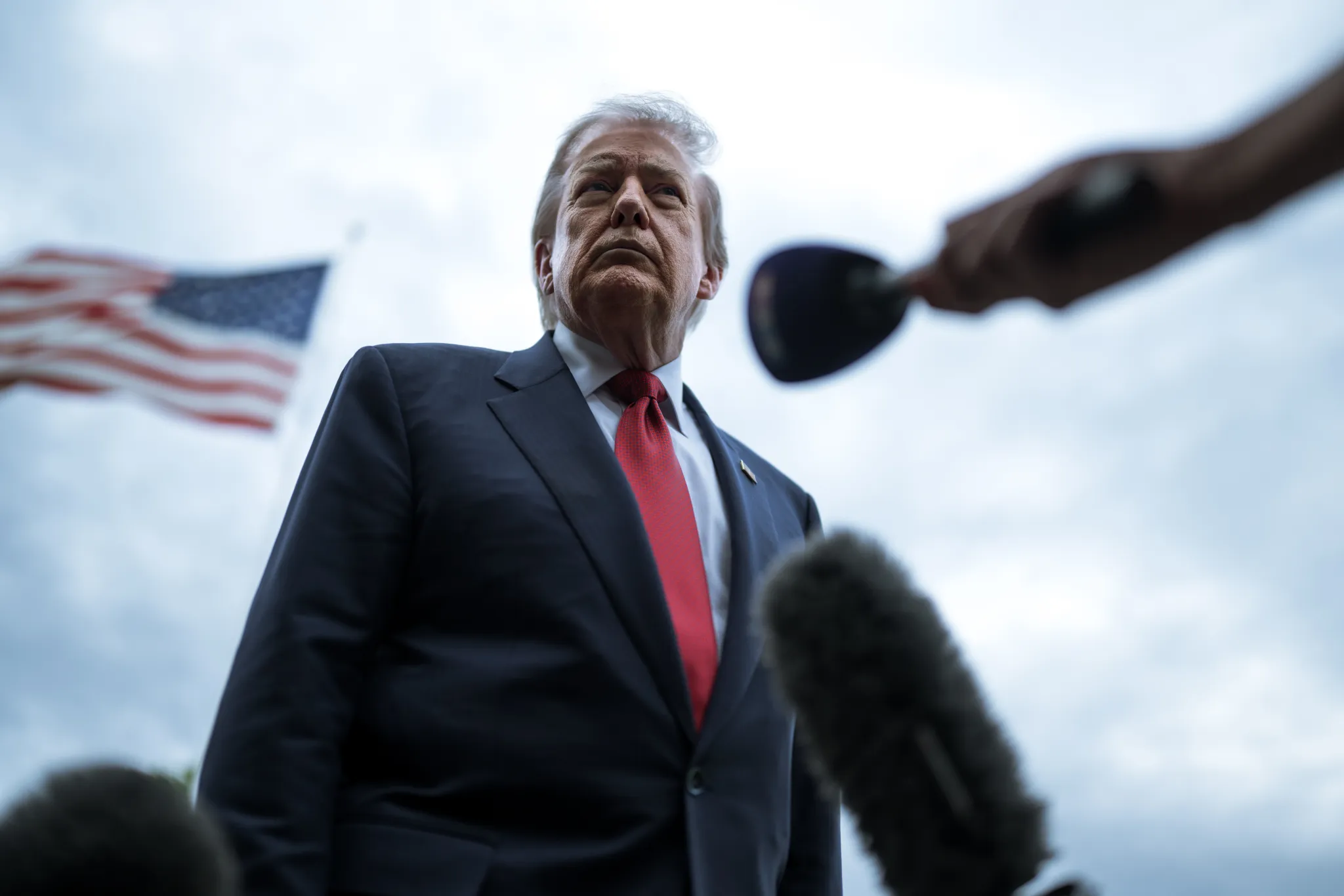
In March 2026, U.S. Ambassador Tom Rose publicly described Poland as “Europe’s new great power”, a striking statement about Warsaw’s rising influence on the continent.
This article explains why many people now view Poland as a serious force in Europe, how its rise happened, and what challenges and opportunities lie ahead.
From Past Struggles to Modern Strength
Poland’s story over the past 40 years is one of dramatic change. After decades under communist rule until 1989, the country faced deep economic problems, limited freedom of speech, and a state‑controlled economy. When communism ended, Poland began rapid reforms to build a free‑market economy and democratic society.
These changes were not easy. In the early 1990s, unemployment rose and many industries collapsed as the economy shifted. But the country opened up to trade, encouraged private business, and pursued policies that appealed to foreign investors.
A major turning point was Poland’s accession to the European Union in 2004. EU membership gave Polish companies access to Europe’s largest market and attracted investment from across the continent. EU funds also helped build roads, infrastructure, schools, and technology centers.
Since then, the country has used its EU membership to grow faster than many of its European peers. While some European economies stagnated after financial crises in the late 2000s and early 2010s, Poland continued to expand, reducing poverty and improving living standards across the country.
A Strong and Growing Economy
Poland’s economy is one of the biggest in Europe over the last two decades. With a GDP exceeding $1 trillion, Audacy reports that Poland is now among the top 20 largest economies in the world and the sixth‑largest economy in the EU.
What makes Poland’s economy strong?
Steady Economic Growth
Poland has consistently grown faster than the average for the EU. While other countries experienced recessions or very slow growth, Poland kept expanding. This long‑term growth has helped improve wages, reduce unemployment, and support infrastructure improvements throughout the country.
Foreign Investment
Poland’s position between Western and Eastern Europe makes it a strategic choice for companies that want access to both markets. Automotive companies, technology firms, logistics providers, and outsourcing firms have established major operations in cities like Warsaw, Kraków, and Wrocław. These investments have created jobs and strengthened Poland’s industrial base.
Industry and Technology
While Poland’s economy still depends on traditional sectors like manufacturing, it is also expanding in services and technology. Business process outsourcing (BPO) and shared service centers are growing fast, and young tech startups are emerging in global markets. Poland is no longer just seen as a place for low‑cost labor, it is increasingly a hub of innovation.
These economic achievements help Poland shape economic policy in the EU and give it influence beyond its borders.
Strategic Location: The Bridge of Europe
Poland’s geography is central to its rising influence. Situated between Germany in the west and Ukraine and Belarus in the east, Poland serves as a bridge between Western and Eastern Europe.
This location has many advantages:
- Trade Routes: Poland is a central point for major road and rail connections that link Western Europe with Eastern markets. Goods moving from ports in Northern Europe toward Ukraine or beyond often pass through Poland.
- Energy and Logistics: Poland is investing in infrastructure that can diversify Europe’s energy supply, such as LNG terminals and pipelines, reducing dependence on a single source.
- Security Frontline: With tensions rising after Russia’s full‑scale invasion of Ukraine in 2022, Poland has become a key frontline state in Europe’s defense strategy. Its position next to Ukraine makes it central to NATO planning and support logistics for allies.
Because of this geography, Poland plays a role in European decisions on trade, energy security, and military cooperation. Many EU members now see Poland as an essential hub for continental strategies.
Military Power and Defense Policy
Poland’s growing role in European security has attracted international attention. In response to regional threats, especially Russia’s actions in Ukraine, Poland has significantly increased its defense spending. It has one of the largest military budgets as a share of GDP in NATO countries according to Reuters.
Poland is modernizing its armed forces with investments in advanced equipment and technologies. It also hosts joint NATO exercises and cooperates closely with the United States and other allies.
In early 2026, an agreement was announced to build a U.S. military helicopter support and servicing facility in Poland, the first of its kind outside the United States. This step shows how Poland is not just a receiver of foreign defense support, but an expanding partner in military development.
Poland’s defense role strengthens its voice in European policymaking. Countries that invest in their security and contribute to alliances often gain political and strategic weight in international forums. Poland’s investments in its armed forces and its strategic cooperation with NATO have boosted its reputation as a significant security actor in Europe.
“Europe’s New Great Power” – U.S. Ambassador
In March 2026, U.S. Ambassador Tom Rose made headlines when he described Poland as “Europe’s new great power.” He highlighted Poland as an “ideal ally” of the United States and a model for how European countries can balance strong national identity with active cooperation.
Ambassador Rose, who took office in late 2025, emphasized Poland’s role in defense, diplomacy, and regional leadership. His comments were widely cited by international media and analysts as a sign of growing recognition of Poland’s influence.
This praise from a high‑level diplomat reflects more than goodwill, it reflects Poland’s track record of partnership in security operations, support for democratic values, and active engagement in international issues.
Diplomacy and International Engagement
Poland is also expanding its diplomatic reach. Warsaw is active in discussions about EU foreign policy, support for Ukraine, energy security, and regional cooperation. Polish leaders have pressed for stronger support for Ukraine and stronger defenses in Eastern Europe.
Polish diplomacy is not always agreed upon by all EU members, but its voice is increasingly central in debates that shape Europe’s future. Poland’s leadership on issues like defense spending, migration policy, and regional cooperation gives it influence far beyond its size.
Poland also maintains close ties with major powers such as the United States, as well as strategic partnerships across Europe and the wider world.
Political Challenges and Internal Debate
Poland’s internal politics are sometimes polarized, and disagreements between government leaders and other institutions have captured public attention. In early 2026, U.S. Ambassador Tom Rose suspended official contact with the Speaker of the Polish parliament amid a political dispute.
Such incidents show that even highly engaged nations can face periods of political tension. How Poland balances domestic reform, democratic norms, and international cooperation will be closely watched by global observers.
Demographic Changes
Like many European countries, Poland is facing demographic shifts, including an aging population and lower birth rates. These trends may place pressure on future labor markets, social systems, and economic growth. Managing demographic change will be crucial if Poland is to sustain its long‑term development.
Looking Ahead: Poland’s Place in Europe
Europe is in the middle of a major transformation. Security threats, changes in global trade, energy challenges, and new geopolitical alliances are reshaping the continent. In this environment, countries that combine economic strength with diplomatic engagement and defense cooperation are positioned to play leadership roles.
Poland’s rise reflects these trends. Its economic success, strategic geography, strong defense policy, and active diplomacy have made it a nation that other European states cannot ignore. Whether in EU councils, NATO gatherings, or global forums, Poland’s voice is increasingly present.
Words like “great power” are not used lightly in international politics. For a U.S. ambassador to publicly use that phrase about Poland signals a shift in perception, one that reflects decades of transformation, investment, and strategic focus.
As Europe continues to evolve, Poland’s role is likely to remain significant. Its influence will be shaped by how well it manages domestic reforms, international partnerships, and the challenges of the changing global order.
Continue Reading:
Why France Is a Superpower: The Strategic Lands Powering Its Global Influence
UK Economy Struggles in 2026: Inflation, Rising Costs, and Weak Growth
U.S. Insolvent? Treasury Financials Reveal Massive Liabilities Experts Say

Ethan R. Brooks is a journalist with over 11 years of experience, specializing in finance, politics, and breaking news. He delivers timely, accurate reporting on market trends, economic developments, and major political events, helping readers stay informed on the stories that matter most.