
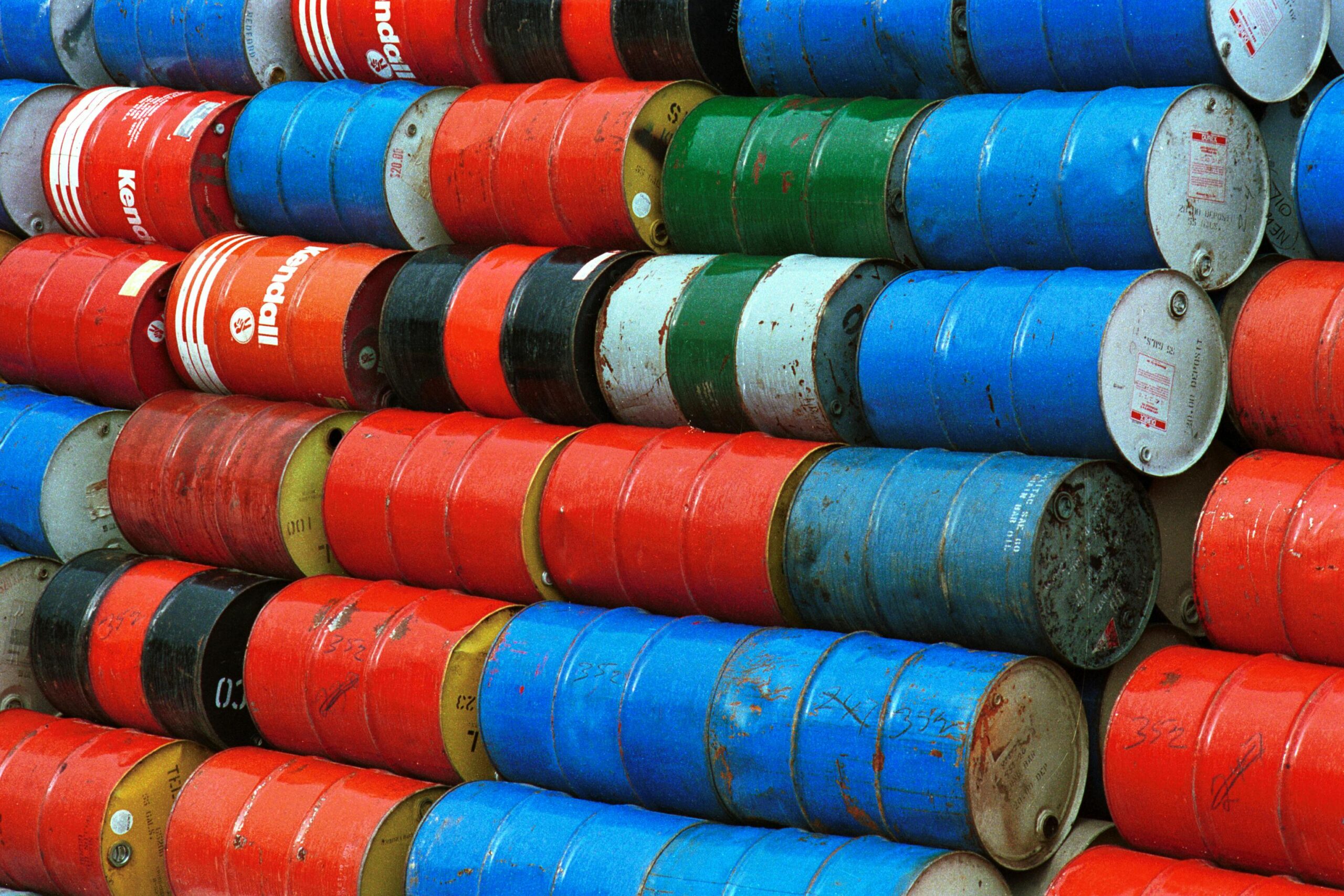
Amid rising geopolitical tensions and growing fears of supply disruption, the International Energy Agency (IEA) has confirmed plans to release hundreds of millions of barrels of oil from strategic reserves, in what could become one of the largest coordinated interventions in energy markets in recent years.
The move comes as global oil prices face renewed volatility, driven largely by escalating instability in the Middle East, one of the world’s most critical energy-producing regions.
Emergency Action to Stabilize Markets
According to the International Energy Agency, member countries are preparing a coordinated release from emergency stockpiles to prevent a sharp supply shock and calm markets already reacting to geopolitical risks.
The agency stated that the release is designed to:
- Offset potential supply disruptions;
- Maintain stable energy flows;
- Prevent extreme price spikes.
Energy analysts say the scale of the planned release signals serious concern about supply security, especially if tensions continue to escalate.
A Response to Rising Global Tensions
The decision follows mounting fears that conflict in the Middle East could disrupt key oil transit routes, including the strategically vital Strait of Hormuz, through which a significant share of global oil supply passes daily.
According to Reuters, disruptions to shipping routes or production facilities could quickly tighten global supply, pushing prices sharply higher and impacting economies worldwide.
The IEA has historically taken similar action during major crises, including supply shocks caused by wars, natural disasters, or political instability.
How Strategic Reserves Work
Strategic oil reserves are emergency stockpiles maintained by governments to respond to supply disruptions. These reserves can be released into the market when production drops or demand surges unexpectedly.
Member countries of the International Energy Agency collectively hold billions of barrels in reserve, allowing them to act quickly in times of crisis.
According to the agency, coordinated releases are more effective than unilateral actions, as they send a strong signal to markets and improve global supply balance.
Market Impact and Price Pressure
Oil markets reacted cautiously to the announcement. While the planned release may temporarily ease supply concerns, analysts warn that it is not a long-term solution if geopolitical instability continues.
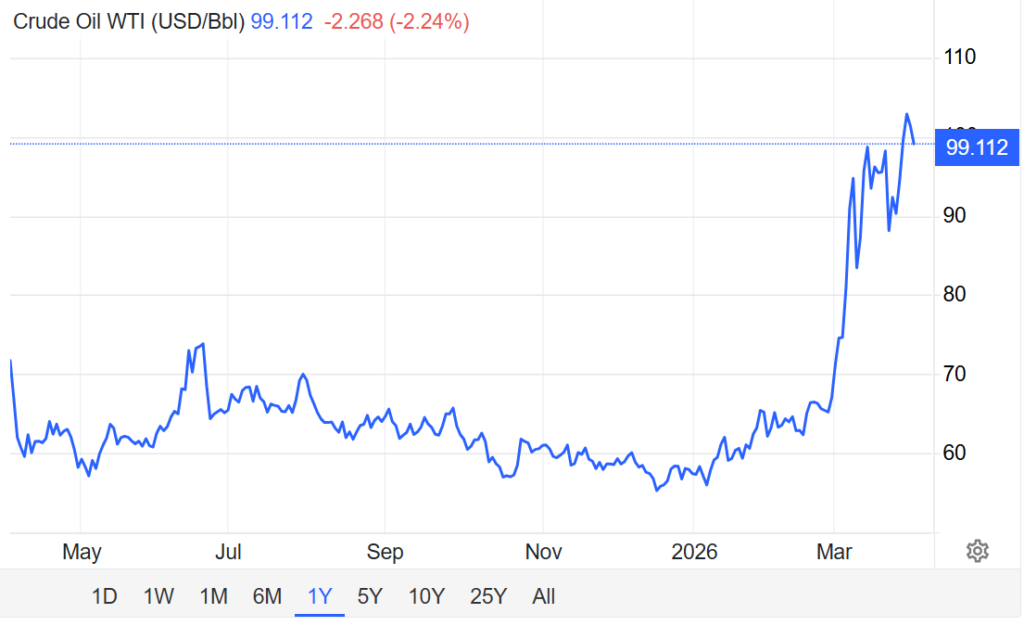
Experts cited by Reuters note that:
- Prices could remain volatile in the short term;
- Investor sentiment is highly sensitive to conflict developments;
- Any escalation could quickly outweigh the effects of reserve releases.
In previous interventions, such releases have helped stabilize prices, but only when paired with improving geopolitical conditions.
What This Means for Europe and Beyond
For Europe, which remains heavily dependent on energy imports, the IEA’s move could provide short-term relief. Countries across the European Union are closely monitoring the situation as energy security once again becomes a top priority.
The European Commission has emphasized the importance of coordinated responses to energy disruptions, particularly as the region continues to transition toward more sustainable energy systems.
Outlook: Temporary Relief or Warning Sign?
While the release of emergency oil reserves may help prevent immediate shortages, it also highlights the fragility of global energy systems in times of geopolitical crisis.
The coming days will be critical. If tensions ease, markets may stabilize. If not, further interventions or even more drastic measures could follow.
Historical Context: When the IEA Steps In
This is not the first time the International Energy Agency has intervened in global oil markets. The agency has previously coordinated emergency stock releases during major disruptions, including conflicts in the Middle East and supply shocks triggered by natural disasters.
One of the most notable interventions occurred in 2011 during the Libya crisis, when the IEA released 60 million barrels to offset lost production. More recently, coordinated releases were used during the global energy crunch following the COVID-19 pandemic and geopolitical tensions involving Russia.
Such actions tend to have an immediate psychological impact on markets, signaling that governments are prepared to act decisively. However, their long-term effectiveness depends heavily on whether underlying supply issues are resolved.
Strategic Importance of Oil Routes
A key concern driving the current decision is the vulnerability of global oil transport routes. The Strait of Hormuz remains one of the most critical arteries for global energy supply, with roughly a fifth of the world’s oil passing through it each day.
Any disruption in this narrow passage, whether due to military conflict, blockades, or security threats, could have immediate and severe consequences for global markets. Shipping delays or attacks on tankers could quickly reduce available supply, forcing prices upward.
Energy security experts warn that even the perception of risk in such chokepoints can trigger market volatility, as traders react to uncertainty rather than actual shortages.
Pressure on Governments and Consumers
The potential for rising oil prices is already putting pressure on governments worldwide. Higher crude prices typically translate into increased costs for fuel, transportation, and manufacturing, effects that are ultimately felt by consumers.
The European Commission has previously warned that sustained energy price increases could slow economic growth and complicate efforts to control inflation. For many European countries, which rely heavily on imported energy, the stakes are particularly high.
In response, some governments may consider additional measures, such as fuel subsidies, tax reductions, or strategic stock releases at the national level to shield consumers from sudden price spikes.
Energy Transition vs. Short-Term Reality
While the current crisis highlights the importance of long-term investment in renewable energy, it also underscores the continued reliance on oil in the global economy. Despite progress in clean energy, fossil fuels remain essential for transportation, industry, and global trade.
The International Energy Agency itself has emphasized the need to balance immediate energy security concerns with long-term sustainability goals. In the short term, however, stabilizing oil markets remains a top priority.
Continue Reading:
Why France Is a Superpower: The Strategic Lands Powering Its Global Influence
UK Economy Struggles in 2026: Inflation, Rising Costs, and Weak Growth
Poland: Europe’s New Great Power

Ethan Brooks is a journalist with over 11 years of experience, specializing in finance, politics, and breaking news. He delivers timely, accurate reporting on market trends, economic developments, and major political events, helping readers stay informed on the stories that matter most.