America’s closest allies have convened one of the most significant diplomatic summits in years and Washington was not invited. Discover why 35 nations meet without the US. Here is everything you need to know about what happened, why it matters, and what comes next.
The meeting Washington wasn’t invited to
On Thursday, April 2, the United Kingdom hosted an emergency virtual summit bringing together 35 nations with a single shared goal: finding a way to reopen the Strait of Hormuz without the United States. The meeting, chaired by UK Foreign Secretary Yvette Cooper, represents one of the most striking diplomatic moments of the entire Iran war. America’s closest allies are now moving without it.
According to the Associated Press, the summit aimed to exert diplomatic and political pressure to reopen the strait, which has been effectively closed since the US-Israeli military campaign against Iran began on February 28. UK Prime Minister Keir Starmer announced the gathering on Wednesday, saying Foreign Secretary Cooper would chair it to “assess all viable diplomatic and political measures we can take to restore freedom of navigation, guarantee the safety of trapped ships and seafarers, and to resume the movement of vital commodities.“
This is not just logistics. It is a statement about where the world stands and where America no longer leads.
What is the Strait of Hormuz and why does the world depend on it
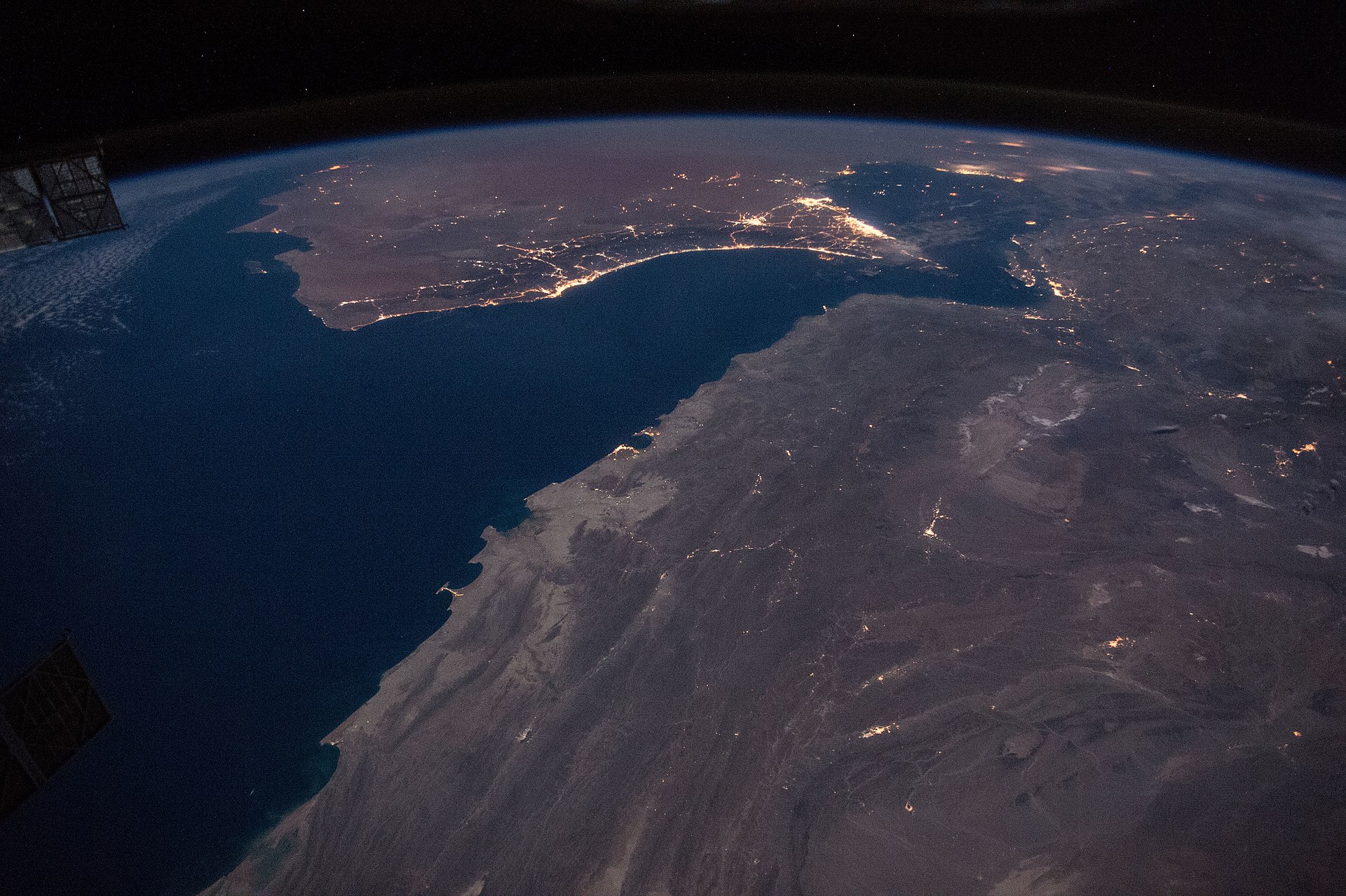
The Strait of Hormuz is a narrow waterway just 21 miles wide at its narrowest point, sitting between Iran to the north and Oman and the UAE to the south. It is the only maritime exit point for oil and gas exports from the entire Persian Gulf region and there is no meaningful alternative route for most of the volume that passes through it.
According to the US Energy Information Administration (EIA), in 2024, oil flow through the strait averaged 20 million barrels per day, equivalent to around 20% of all global petroleum consumption. The IEA separately estimates that roughly 19% of global liquefied natural gas (LNG) trade also depends on Hormuz. As CNBC reported, around one-third of all global fertilizer trade also transits the strait, including large volumes of nitrogen exports critical to the spring planting season in North America and Europe.
The London School of Economics Business Review described the situation plainly: “Disruption in Hormuz is not a regional oil story.” When this strait closes, the entire global economy feels it within weeks, through fuel prices, food costs, freight rates, inflation, and manufacturing slowdowns.
The economic damage is already severe
The numbers coming out of the crisis are staggering. According to crisis tracking data, Brent crude surged past $120 per barrel after Iran’s closure began on March 4, reaching a peak of $126 — the highest in four years. US gas prices have crossed $4 per gallon, up more than 30% since the war began. In the Gulf states themselves, 70% of food imports were disrupted by mid-March, since those countries rely on the strait for over 80% of their caloric intake.
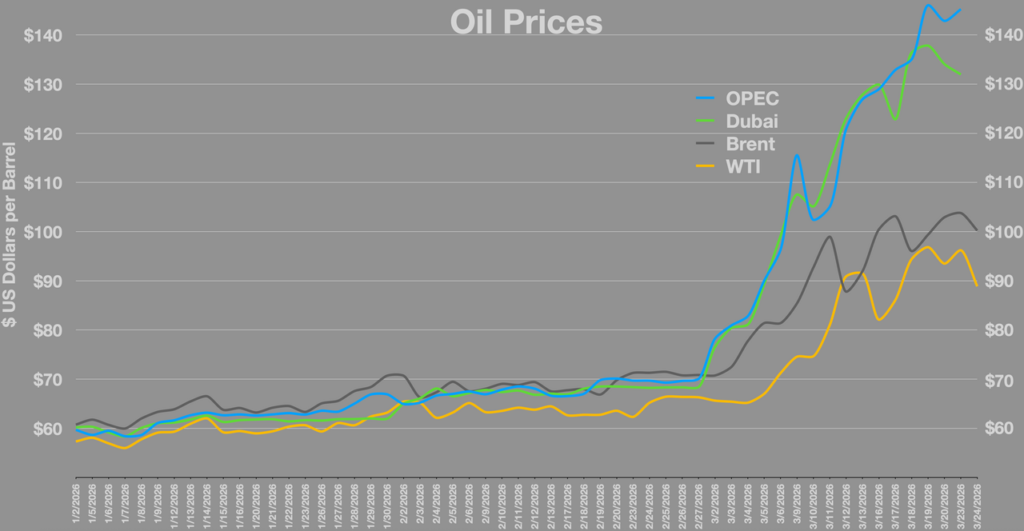
Research from the Federal Reserve Bank of Dallas found that even a single quarter of Hormuz closure could lower global real GDP growth by an annualised 2.9 percentage points. Goldman Sachs economists, cited by Axios, raised their US inflation forecast by 0.8 percentage points and increased recession odds by 5 percentage points. Oxford Economics went further, modelling a scenario in which $140 per barrel oil would be enough to push the eurozone, the UK and Japan into outright economic contraction.
Bloomberg Economics noted that US government officials and Wall Street analysts are now beginning to consider the prospect of oil reaching $200 per barrel if the closure drags on. The IEA responded by announcing a record coordinated release of 400 million barrels from strategic reserves, the largest in its history.
Fertilizer warning: According to CNBC, urea prices at the New Orleans hub have already risen from $475 per metric ton to $680 per metric ton. With roughly one-third of global fertilizer trade transiting Hormuz, analysts warn that food price inflation could hit households within weeks, with the US corn and soy planting season directly in the firing line.
Why the US wasn’t at the table
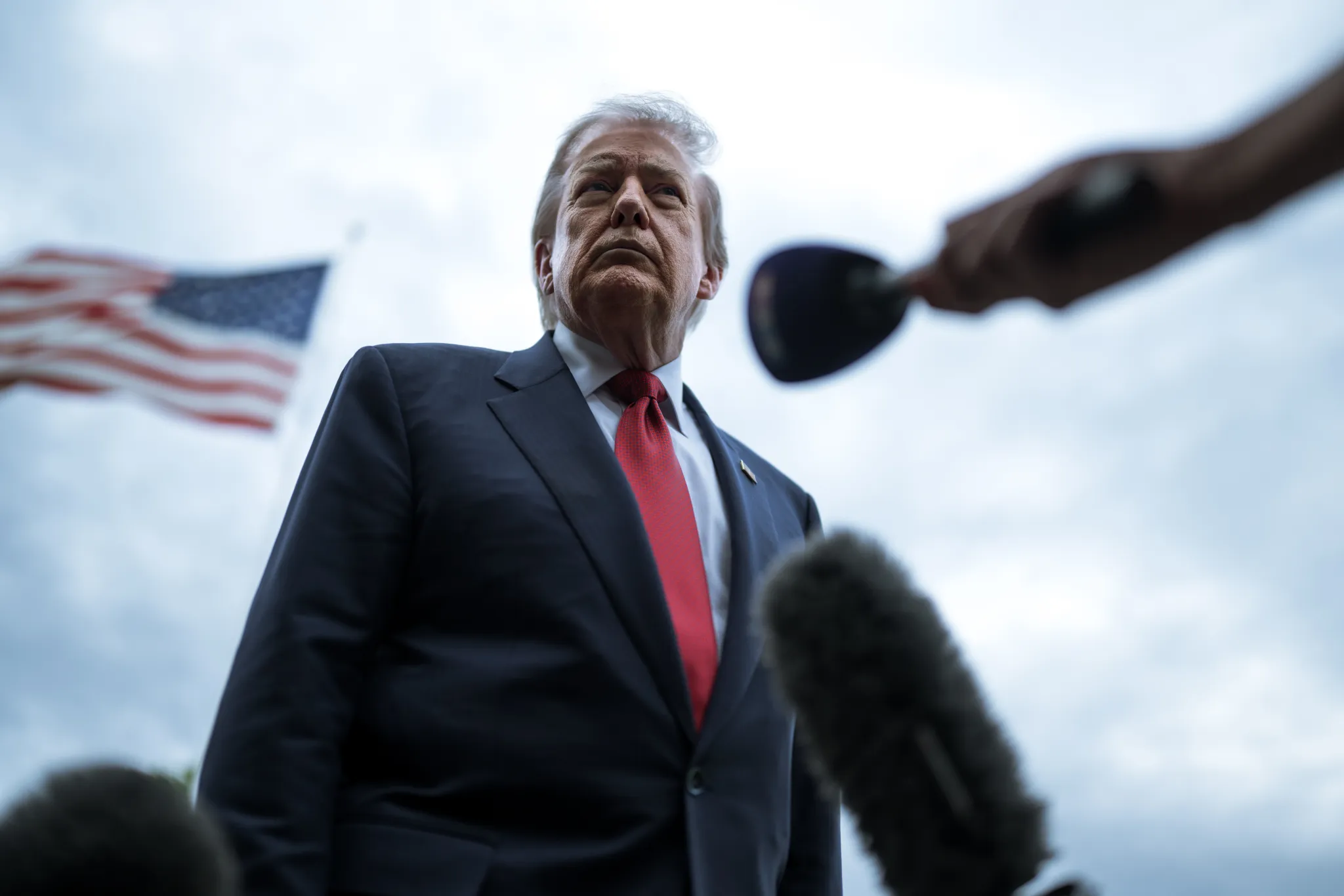
Trump has been unambiguous: reopening Hormuz is not America’s problem. On Tuesday, he posted on Truth Social telling allies to “build up some delayed courage, go to the Strait, and just TAKE IT,” adding that the US “won’t be there to help you anymore.” His press secretary Karoline Leavitt confirmed that reopening the strait is not among the “core objectives” of the US military campaign, according to Newland Chase, which has been tracking the geopolitical fallout of the crisis.
The White House has also signalled that Trump is now prepared to end US operations against Iran without resolving the Hormuz blockade at all, pivoting instead toward telling Gulf and European allies to take the lead. So the allies did exactly what Washington told them to do. They moved on without it.
Who was in the room
The 35 attending countries are signatories to a joint statement on maritime security in the Arabian Gulf, first issued on March 19. They include the UK, France, Germany, Italy, the Netherlands, Japan, Canada, Australia, South Korea, Norway, Denmark, Finland, Sweden, Estonia, Latvia, Lithuania, Slovenia, Romania, Bulgaria, Croatia, the UAE, Bahrain, Panama, Chile, Nigeria, Montenegro, Albania, Kosovo, the Marshall Islands, Moldova, North Macedonia, New Zealand, Portugal, and Trinidad and Tobago.
The statement they signed condemned Iranian attacks on commercial vessels and the effective closure of Hormuz, declaring, consistent with UN Security Council Resolution 2817, that the disruption “constitutes a threat to international peace and security.” According to Newland Chase, approximately 2,000 vessels and 20,000 seafarers remain stranded in the affected area, with major shipping companies including Maersk and Hapag-Lloyd having already suspended operations in the region entirely.
Starmer’s difficult balancing act
UK Prime Minister Keir Starmer, who announced the summit on Wednesday, was honest about the scale of the challenge. “This will not be easy,” he told reporters, as reported by Al Jazeera. He argued the world needs “a united front of military strength and diplomatic activity” alongside “clear and calm leadership”, careful language designed to avoid directly confronting Washington while clearly stepping into the leadership vacuum it has left.
Starmer simultaneously pushed back against Trump’s threat to pull the US out of NATO, which Trump described as “seriously” under consideration in an interview with The Telegraph, calling the alliance “a paper tiger.” Starmer called NATO “the single most effective military alliance the world has ever seen.” and pledged to act in the British national interest “whatever the pressure, whatever the noise.”
Secretary of State Marco Rubio added to the tension, telling Fox News that the US will “have to reexamine the value of NATO“, an extraordinary statement from America’s top diplomat during an active military conflict involving allied nations.
Australia’s Defence Minister Richard Marles captured the broader mood among the 35 nations more plainly, saying his country would “act in its own national interest” regardless of Washington’s position, according to SBS News.
Iran’s position: the strait stays closed
Tehran is not moving. The IRGC declared Wednesday that Hormuz would remain closed to “enemies of this nation” and that the waterway is “firmly and dominantly” under its control, per Asia Times. Since the war began, Iran has carried out at least 21 confirmed attacks on merchant ships, according to crisis data. On March 27, the IRGC broadened its closure order to cover any vessel going “to and from” the ports of the US, Israel, and their allies, a more aggressive posture than the original closure.
Iran’s parliament is also reportedly preparing legislation to formalise tolls on vessels transiting the strait. If passed, that would institutionalise the blockade as a permanent revenue mechanism rather than a temporary wartime measure, a significant escalation in Iran’s long-term posture toward the waterway.
Iran has, however, continued to allow some ships from non-belligerent nations to pass. According to the Wikipedia crisis timeline, on March 26, Iran’s Foreign Minister Abbas Araghchi announced that ships from five nations, China, Russia, India, Iraq, and Pakistan, would be allowed to transit the strait. That selective opening underlines the political nature of the closure: it is not a blanket naval blockade but a targeted economic and diplomatic weapon.
This has happened before but not quite like this
Historical precedent exists for allied friction with Washington. France, Italy and Spain denied the US overflight privileges during Reagan’s 1986 bombing of Libya. A far deeper rift opened in 2003 when France and Germany refused to support the invasion of Iraq. But those disputes were about whether to join an American-led operation. What is happening now is different in kind: allies are building their own diplomatic and potentially military framework specifically because Washington has walked away from the problem.
That distinction matters. The post-war international order was built on the assumption that the US would, at minimum, lead on global security crises of this magnitude. Today’s summit is a data point suggesting that assumption is being revised, country by country, meeting by meeting.
What comes next
Following today’s virtual summit, UK officials said military planners will be convened to examine how to “marshal capabilities” and make the strait accessible and safe once the fighting stops. According to Militarnyi, a physical follow-up summit is expected, potentially in Portsmouth.
The diplomatic track is clear. Whether it can move fast enough and whether 35 nations without the world’s largest military can actually shift Iran’s position, is a much harder question. As the LSE Business Review put it, Hormuz has become “an economic clock of war”: a short closure is an oil shock, but a long closure becomes an inflation and growth shock from which recovery takes years.
One thing is already certain. Today’s meeting marks a moment that will be studied in foreign policy classrooms for decades, the day 35 countries stopped waiting for America to lead, and started building something without it.
Continue Reading:
Trump Ally Warns U.S. Faces “Total Disaster” if Iran War Escalates
Trump Addresses the Nation, Vows to Hit Iran “Extremely Hard”
U.S. Insolvent? Treasury Financials Reveal Massive Liabilities Experts Say

Michaela Reeds is an investigative journalist and reporter with a focus on politics, science, and technology. She brings clarity to complex issues, translating policy developments, scientific breakthroughs, and technological innovations into compelling stories for a broad audience. She is known for her dedication to accuracy, transparency, and in‑depth reporting.