
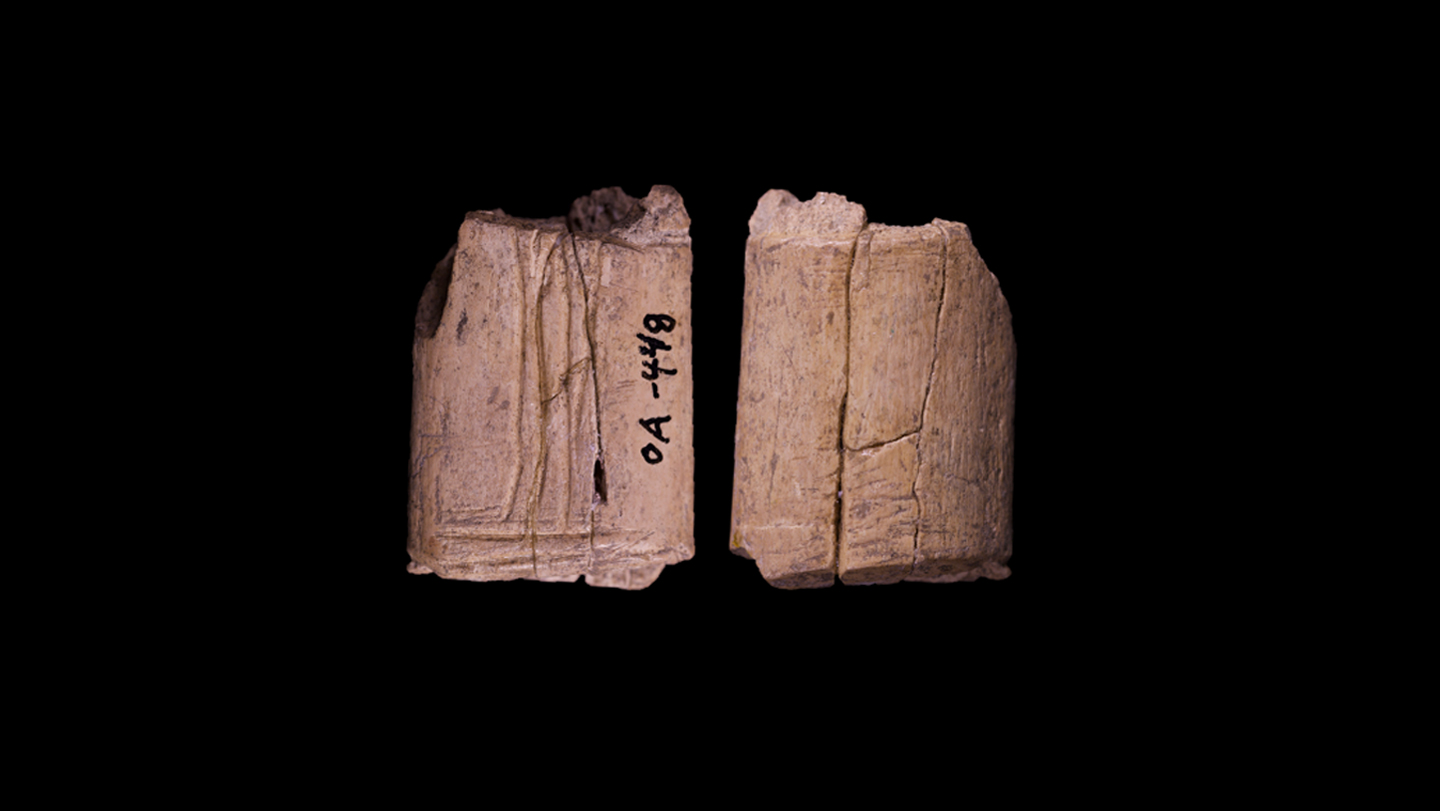
Archaeologists have uncovered what may be the oldest known dice ever found, dating back an astonishing 12,000 years, far older than the previously oldest examples from ancient civilizations in Eurasia. According to researchers, this simple old dice, reshapes our understanding of early human play, cognitive complexity, and social interaction among hunter‑gatherer communities in North America.
The findings, detailed in a recent study and reported by Science News, show that tiny bone artifacts once dismissed or overlooked are actually early dice, used for games, decision‑making, and possibly ritual activities at the end of the last Ice Age. According to the report, this discovery pushes back the known history of dice by roughly 6,000 years compared with examples linked to Mesopotamian civilizations.
A Surprising Find In Museum Collections
What makes these dice remarkable is not just their age, but the context in which they were found. The researchers weren’t excavating a newly discovered archaeological site. Instead, they were combing through existing museum collections, reviewing ancient bone artifacts that had previously been labeled generically as tools, ornaments, or unknown fragments.
According to the scientists, they applied strict criteria to identify the dice: objects had to be roughly hand‑sized, crafted from bone, and show regular markings on multiple faces indicating deliberate design rather than random damage. Many were even coated with colored pigments, suggesting intentional marking of individual faces, a hallmark of dice used in games of chance.
Researchers analyzed more than 550 bone fragments (all roughly 12,000 years old) and identified at least 14 that fit the definition of dice. These items came from sites across the western and central United States, highlighting that chance‑based gaming was widespread among diverse Late Pleistocene and early Holocene groups.
Why This Discovery Matters
The discovery of these ancient dice is significant for several reasons:
1. It Rewrites the Timeline of Play
Before this discovery, the oldest widely accepted examples of dice dated to around 6,000–5,000 years ago and were linked to ancient civilizations in Mesopotamia and the Indus Valley. According to the new evidence, humans in North America were using dice as far back as 12,000 years ago, doubling the age of the prior record.
This dramatically extends the known history of gaming and suggests that early human cultures valued structured play much earlier and more widely than previously believed.
2. It Reveals Cognitive and Social Complexity
Dice aren’t merely toys, they are tools for managing uncertainty. Using dice implies an understanding of probability and an ability to agree upon shared rules. That early hunter‑gatherers in North America developed and used such tools according to the researchers points to sophisticated social interaction and symbolic thinking long before the rise of written language or formal mathematics.
Anthropologists suggest that in mobile and wide‑ranging hunter‑gatherer bands, dice games might have served as social lubricants, helping groups bond, resolve disputes, or make collective decisions in environments where reliance on chance was part of daily survival.
3. It Challenges Old World‑Centric Views
Archaeological narratives have often framed developments in play and gaming as originating in the Old World, tied to complex societies like ancient Egypt, Mesopotamia, and China. According to the latest study, this North American evidence pushes back against that narrative, showing that early peoples in the Americas developed their own traditions of gaming and chance‑taking independently and long before Eurasian civilizations mastered similar objects.
Read More: Scientists Create “Tumor-Eating” Bacteria That Can Destroy Cancer From the Inside
What the Old Dice Looked Like
Most of the artifacts are small, cuboid bone pieces roughly half an inch to an inch across. Many show deliberate marks on their faces, either notches or colored pigment, according to the researchers, indicating that sides were meant to be distinguished when the object was rolled.
Some pieces are also slightly worn, implying repeated use rather than ceremonial burial or accidental breakage. One of the study authors noted that many of these bone dice were likely frequently handled and played, much like modern gaming dice.
How Scientists Identified the Dice
The research team used a combination of morphological analysis (examining shape and wear) and dating methods to confirm the age of the objects. Many of the pieces were already dated through prior radiocarbon results stored with museum collections.
According to the paper, the researchers also compared the ancient bones to later North American dice found in historic Native American contexts, including items known to have been used in gambling after European contact, to distinguish characteristic shapes and markings.
This approach allowed the team to confidently identify objects that were previously misclassified, revealing a deeper record of early game play that spans millennia.
Read More: Politicians Talk About Global Warming While Science Warns the Next Ice Age Is Coming
Broader Implications for Archaeology and Anthropology
Experts outside the study have called the findings groundbreaking. They see this early evidence of gaming as a valuable window into prehistoric human behavior, revealing not only what people did for fun, but how they thought, interacted, and organized social life.
Some theorize that games and dice could have been used in various contexts:
- To make decisions where chance was preferable to conflict.
- In teaching and ritual activities.
- As a form of social bonding among traveling groups.
According to anthropological interpretations, games may have played roles far beyond mere entertainment, especially in complex mobile societies where shared cultural tools helped define group identity.
Future Research and Remaining Questions
The discovery of the 12,000‑year‑old dice opens new questions about the origins of play and cognition:
- Are there even older gaming objects yet to be found?
- How widespread were dice games among prehistoric groups across the globe?
- What specific rules or cultural meanings might these games have had?
According to specialists, continued re‑examination of museum collections worldwide, combined with advances in imaging and dating, could reveal even older artifacts that rewrite our understanding of early human behavior.
Image: ©Robert Madden
For more science news and research coverage, visit the Science section at bdesk.news.

Michaela Reeds is an investigative journalist and reporter with a focus on politics, science, and technology. She brings clarity to complex issues, translating policy developments, scientific breakthroughs, and technological innovations into compelling stories for a broad audience. She is known for her dedication to accuracy, transparency, and in‑depth reporting.