
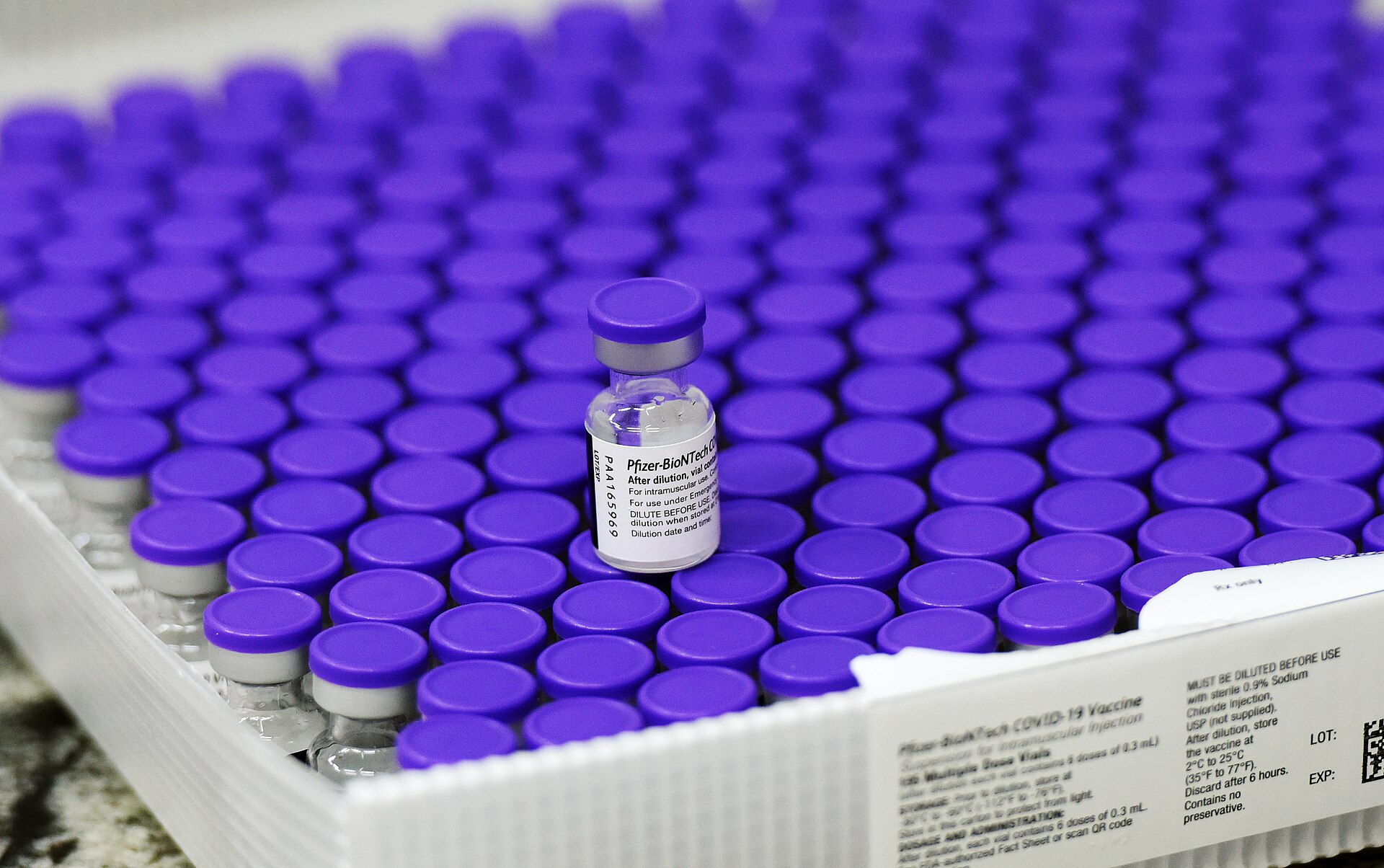
Poland and Romania are exploring a novel solution to a pandemic-era contract dispute with Pfizer. Instead of paying hundreds of millions of euros for unused COVID‑19 vaccine doses, both countries could receive medicines and innovative treatments to strengthen their health systems. Informal talks between government officials and Pfizer representatives have reportedly already taken place, according to sources familiar with the negotiations.
Turning Legal Obligations Into Health Benefits
The original dispute stems from unused COVID‑19 vaccines that Poland and Romania ordered during the pandemic under EU-negotiated contracts. Courts in Brussels ruled both countries must pay for these doses, roughly €600 million for Romania and €1.3 billion for Poland. According to insiders, Pfizer has signaled a willingness to waive penalties if part of the debt is converted into deliveries of essential medicines.
This potential arrangement could allow both countries to access high-value treatments for conditions such as cancer, rare diseases, and chronic illnesses, areas where patients currently face limited options. Health officials in Romania describe the plan as an opportunity to turn a legal challenge into tangible patient benefits.
Informal Talks Already Underway
Sources report that informal discussions have begun, with Pfizer representatives offering flexibility on contractual penalties in exchange for medication deliveries instead of cash payments. While details remain confidential, the concept could significantly strengthen public health systems, providing treatments that would otherwise take years to acquire.
Warsaw is considering negotiations that could convert part of the financial liability into access to critical medicines, rather than making a full cash payment. Polish Health Ministry officials have highlighted that the country ordered tens of millions of vaccine doses to ensure rapid protection against COVID‑19, but demand dropped faster than anticipated once vaccination campaigns were completed.
As a result, the leftover stock created both a logistical burden and a significant financial obligation. In public statements, senior Polish officials have emphasized that while the country respects its legal obligations, the government is seeking creative solutions that maximize public health outcomes.
“We are exploring every option to ensure that our citizens benefit from the contracts we signed” a ministry spokesperson told the press. Analysts point out that this approach mirrors the strategy being pursued in Romania, where officials have proposed converting the debt into life-saving medicines for patients.
Government officials also said they are exploring parallel options, although no formal agreement has been announced. The idea is to offset legal obligations with access to medications that can bolster oncology and immunology services, ensuring that the health system benefits directly from the pandemic-era contracts.
By focusing on medicines instead of penalties, Poland could strengthen hospitals, modernize care, and improve patient outcomes without additional strain on public finances. While formal agreements have not yet been reached, government insiders confirm that the talks are ongoing and that Warsaw is actively coordinating with legal, health, and procurement experts to identify a solution that balances contractual obligations with tangible health benefits.
Romanian Health Minister Alexandru Rogobete emphasized that this approach aligns with long-term strategic goals: “Instead of paying penalties that leave no trace in patient care, we aim to secure medicines that can immediately improve lives.” he said for Mediafax.
From Pandemic Waste to Public Health Gain
Both Romania and Poland initially faced criticism for unused vaccine stockpiles, which represented a financial and logistical burden. By negotiating medication deliveries, the countries could transform excess contractual obligations into life-saving tools. Experts said for HDN that such strategies are increasingly being considered across the EU, as governments aim to maximize public health value from pandemic investments.
Potential Impact on Health Systems
If formalized, this approach could provide hospitals with access to innovative therapies for diseases that currently have limited treatment options. Converting debt into medicines could reduce long-term healthcare costs, improve patient outcomes, and demonstrate a creative model for future emergency contracts.
Looking Ahead
Government sources in both countries confirm that formal negotiations have not yet started, but officials are preparing for discussions that could include legal advisers, health procurement specialists, and international mediators. The ultimate goal is to reach a solution that benefits patients while respecting contractual obligations.
By focusing on medications rather than money, Poland and Romania could turn a financial liability into a public health opportunity, potentially setting a precedent for other EU countries dealing with pandemic-era vaccine contracts.
Continue Reading:
International Energy Agency (IEA) Will Release Hundreds Of Millions Of Barrels Of Emergency Oil Reserves
Best Cashback Credit Cards 2026 – Top Picks for Maximum Rewards
Is the Petrodollar Dying? The Trump Effect on Global Oil

Ethan R. Brooks is a journalist with over 11 years of experience, specializing in finance, politics, and breaking news. He delivers timely, accurate reporting on market trends, economic developments, and major political events, helping readers stay informed on the stories that matter most.

