At a time when headlines are increasingly dominated by conflict, uncertainty, and political friction, a voice has stepped forward once again with a clear message. The pope calling for peace is not unusual, but right now, it feels more urgent than ever.
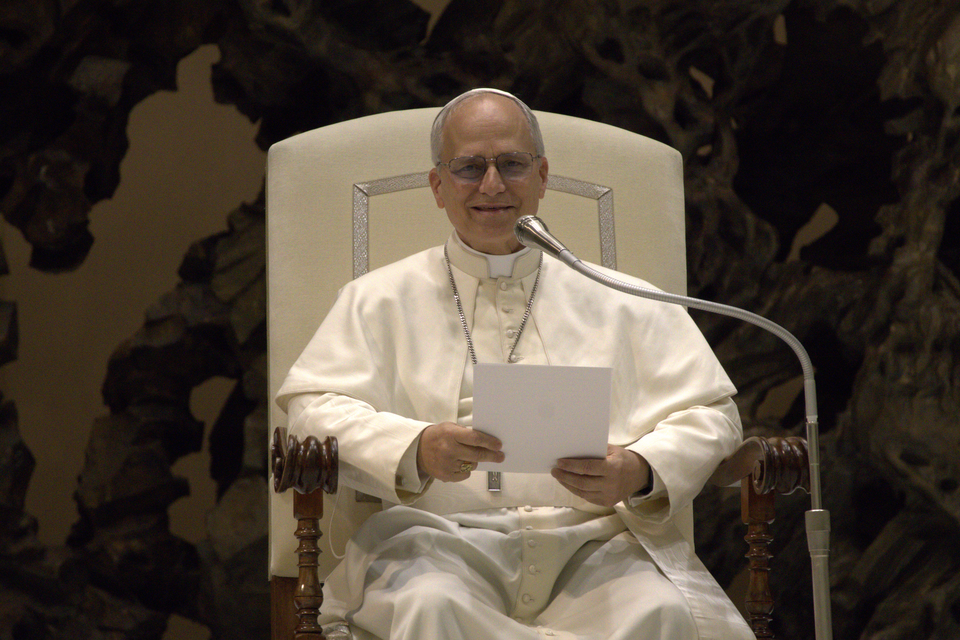
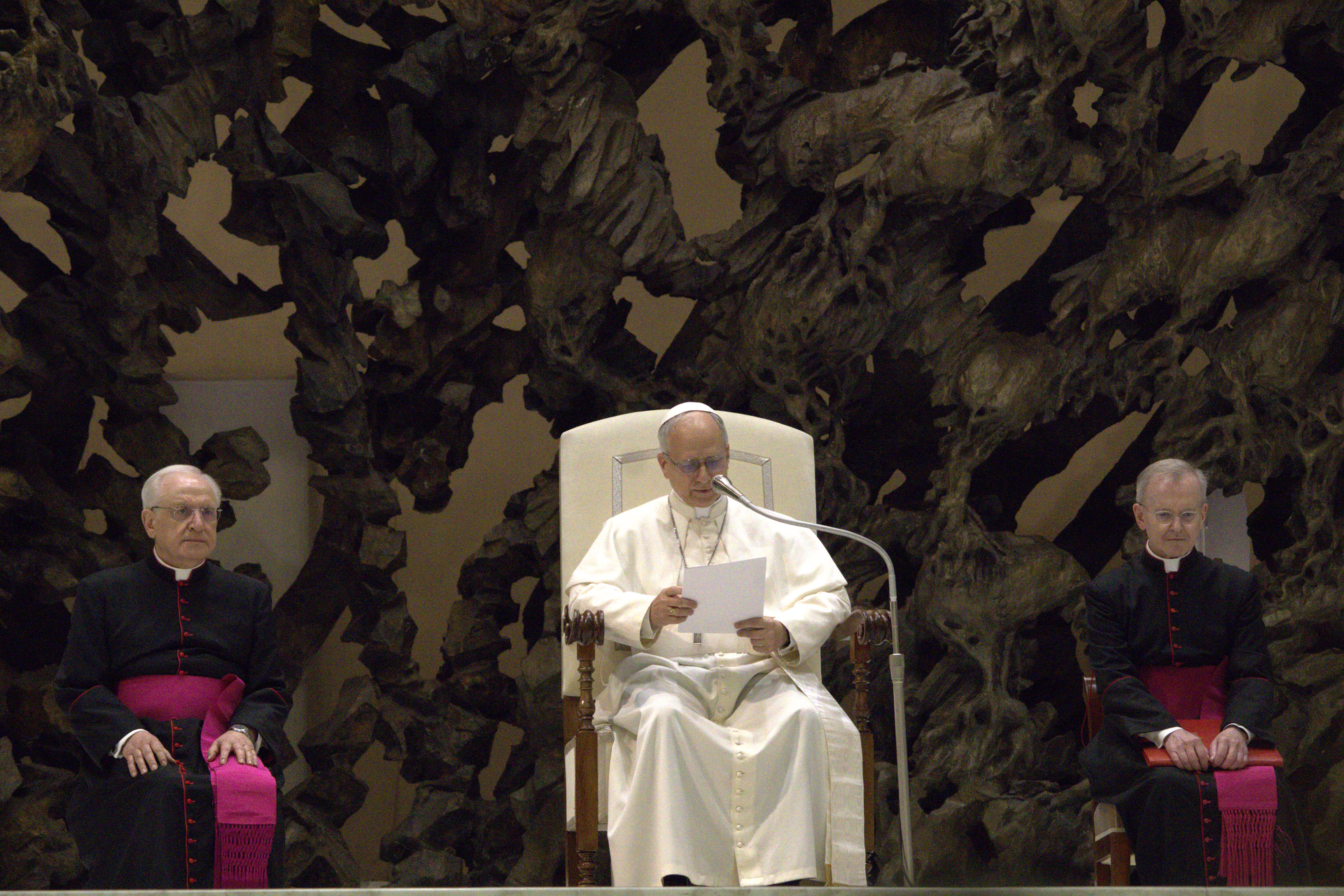
During a recent address in St. Peter’s Square, Pope Leo XIV urged world leaders and ordinary citizens alike to resist the pull toward division and instead choose dialogue. Speaking to thousands gathered in the heart of the Vatican, he didn’t speak in abstract terms. His message was direct, grounded, and clearly shaped by the growing instability seen across multiple regions.
“Peace is not built through force” he said, pausing before adding, “but through patience, understanding, and the willingness to listen.”
A Message That Comes at the Right Time
The Pope’s appeal didn’t happen in a vacuum. It comes as tensions are building globally, particularly in sensitive areas where even small incidents can escalate quickly. From the Middle East to parts of Eastern Europe, the geopolitical climate is becoming more fragile.
Against this backdrop, the image of the pope calling for peace carries weight beyond religion. It taps into a broader sense that the world may be drifting toward confrontation instead of cooperation.
The Catholic Church has long positioned itself as a moral voice in times of crisis, even without direct political power. And while not every leader listens, the timing of such messages often reflects deeper concerns behind the scenes.
Not Just a Religious Message
It would be easy to assume this is simply a message for Catholics but that would miss the bigger picture.
What makes moments like this matter is their reach. The Pope’s words are picked up not only by religious communities, but by policymakers, analysts, and everyday people looking for some form of clarity in a chaotic news cycle.
In recent years, statements from the Vatican have increasingly focused on global issues, migration, war, poverty, and climate pressures. The pope calling for peace is part of that broader effort to speak across borders and belief systems.
The Reality Behind the Words
Still, there’s an uncomfortable truth that can’t be ignored: calls for peace are easy to support in theory, but much harder to act on.
Conflicts today are rarely simple. They involve layers of political interests, economic pressures, and historical grievances. Even when leaders publicly agree on the importance of peace, their actions don’t always follow the same path.
That’s why the Pope’s message also focused on individual responsibility. He made it clear that peace isn’t just negotiated at high-level meetings, it starts with how people treat each other every day.
It’s a point that can sound almost too simple, but it carries weight. Large-scale change often begins with small shifts in mindset.
Europe Listening Closely
For Europe, this message lands differently. With ongoing debates about security, energy, and regional stability, many countries are already feeling the pressure of a changing global order.
The Vatican’s location and its historical influence means that when the pope speaks, European audiences tend to pay closer attention. There’s a cultural and political overlap that gives the message added relevance.
In countries facing internal divisions or external threats, the idea of prioritizing dialogue over escalation isn’t just philosophical, it’s practical.
Mixed Reactions From Leaders
As expected, reactions have been mixed.
Reuters report that some political figures have welcomed the Pope’s words, framing them as a necessary reminder at a time when rhetoric is becoming more aggressive worldwide. Others have been more cautious, emphasizing the need to balance peace with national security concerns.
This tension highlights a key challenge: peace is universally praised, but rarely agreed upon in terms of how to achieve it.
Even so, the symbolic importance of the pope calling for peace shouldn’t be underestimated. Messages like these often shape public opinion, which in turn influences political decisions over time.
Will It Make a Difference?
That’s the question that always follows.
Will this moment lead to actual de-escalation in conflict zones?
Will leaders shift their approach, even slightly?
Or will the message fade as new headlines take over?
History offers no clear answer. Sometimes, these appeals fade quickly. Other times, they mark the beginning of a broader shift in tone.
What’s different now is the speed at which such messages spread. Through media and social platforms, the Pope’s words can reach millions within hours, far beyond the physical crowd gathered in Vatican City.
That kind of reach matters.
A World at a Crossroads
The world is at a point where choices made today will have long-term consequences.
Pope Leo XIV is not offering detailed policy solutions. That’s not his role. What he’s doing instead is reminding people, leaders and citizens alike, that another path exists.
Whether that path is taken depends on far more than one speech. But ignoring it completely may come at a cost the world can’t afford.
For more society news and cultural reporting, visit the Society section at bdesk.news.
Continue Reading:
Tiger Woods Arrested After Florida DUI Crash – Timeline of Events
Bank of America Agrees to Pay $72.5 Million to Epstein Victims
Michaela Reeds is an investigative journalist and reporter with a focus on politics, science, and technology. She brings clarity to complex issues, translating policy developments, scientific breakthroughs, and technological innovations into compelling stories for a broad audience. She is known for her dedication to accuracy, transparency, and in‑depth reporting.