Growing Tensions Raise Questions About North Korea–Iran Cooperation
Global tensions have intensified following reports that North Korean leader Kim Jong Un signaled support for Iran during the latest escalation in the Middle East. Analysts are increasingly debating whether North Korea could provide military assistance, including missile technology, to Tehran if the conflict deepens.
Recent geopolitical developments have placed both countries in the spotlight. North Korea publicly condemned attacks against Iran and expressed support for Tehran’s leadership during the current crisis, reflecting a long-standing political alignment between the two governments.
While some online claims suggest that Kim Jong Un explicitly promised missiles to Iran, verified reports remain cautious. Experts emphasize that no widely confirmed official pledge has been documented by major international outlets, although the possibility of cooperation remains a major concern for security analysts.
Historical Missile Cooperation Between Iran and North Korea
The speculation about missile transfers is not new. Military cooperation between Iran and North Korea dates back decades, particularly in the development of ballistic missiles. According to defense analysts, Iran’s Shahab-3 ballistic missile was developed using technology derived from North Korea’s Rodong missile design.
This technological connection highlights the deep strategic ties between the two nations. Over the years, experts have suspected that North Korea has shared missile components, engineering knowledge, and testing data with Iran as both countries face international sanctions and geopolitical pressure from Western powers.
Some analysts argue that the relationship is mutually beneficial. Iran gains access to advanced missile technology, while North Korea benefits from financial support, oil supplies, and valuable data from missile testing in different environments.
Because of these historic ties, any statement from Pyongyang regarding Iran immediately raises alarms among global security experts.
The Current Middle East Crisis and Strategic Calculations
The ongoing conflict involving Iran has further strengthened speculation about renewed military collaboration between the two countries.
Experts say that wars or attacks against allied states often reinforce North Korea’s belief that nuclear and missile capabilities are essential for regime survival.
In addition, analysts warn that if Iran’s missile infrastructure is damaged during the conflict, Tehran may attempt to rebuild or upgrade its capabilities with foreign assistance. North Korea could potentially play a key role in such efforts due to its extensive experience in missile development.
Reports also suggest that the Iran conflict could lead Pyongyang to accelerate its own weapons programs while strengthening ties with states that oppose Western influence.
North Korea’s Expanding Missile Capabilities
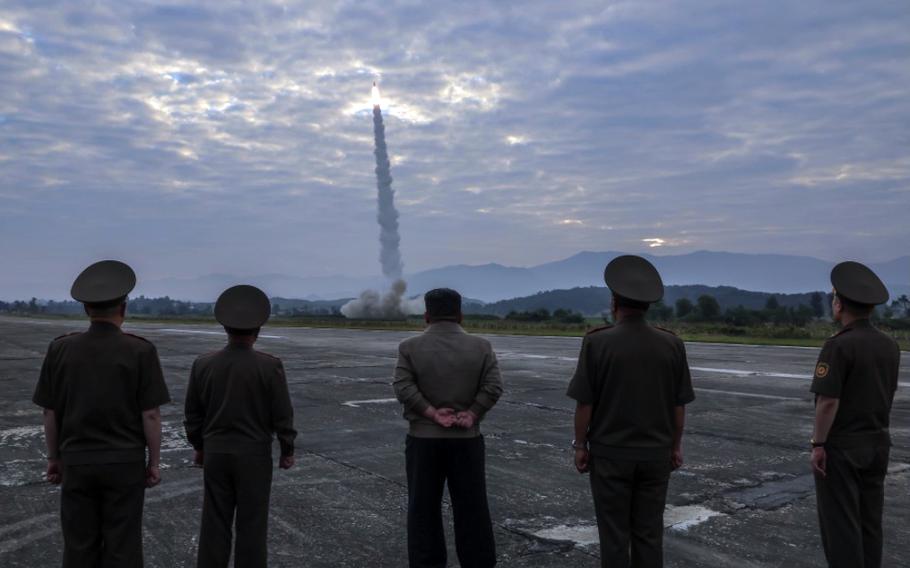
Recent military activity in North Korea demonstrates that Pyongyang continues to advance its weapons programs.
According to recent reports, North Korea launched multiple ballistic missiles during military exercises, demonstrating the continued development of its strategic arsenal.
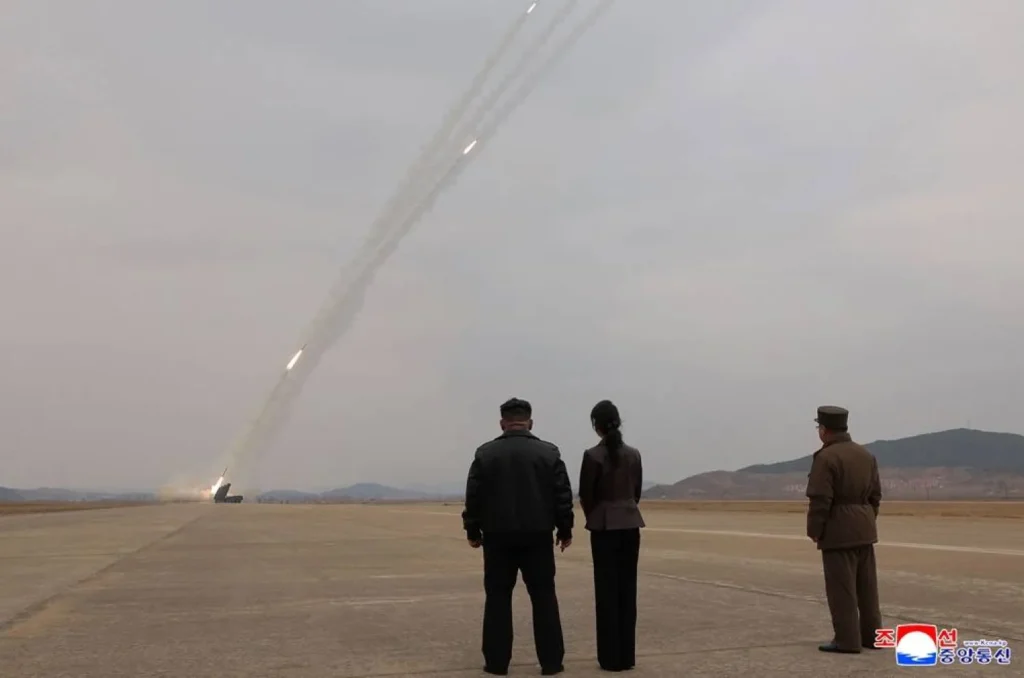
Kim Jong Un has also overseen tests of advanced rocket launcher systems capable of striking targets hundreds of kilometers away.
These developments highlight why analysts believe North Korea could theoretically supply advanced missile technology to partners or allies if geopolitical conditions made such cooperation beneficial.
However, such transfers would violate international sanctions and could trigger severe diplomatic consequences.
Could Missile Transfers Actually Happen?
Despite speculation, experts caution that direct missile transfers between North Korea and Iran would be extremely risky from a political standpoint.
Both countries are already under strict international sanctions related to weapons programs. A confirmed missile transfer would likely trigger additional sanctions, diplomatic pressure, and possibly military responses from the United States and its allies.
Nevertheless, analysts note that cooperation between the two states often happens indirectly, through technology sharing, technical assistance, or covert networks rather than openly transferring complete weapons systems.
This makes the situation particularly difficult for international authorities to monitor.
What This Means for Global Security
The possibility of deeper military cooperation between North Korea and Iran represents a significant concern for global security.
Both countries possess advanced missile programs and have historically cooperated in defense technology. If their partnership expands during a time of global conflict, it could alter the strategic balance in several regions simultaneously—from the Middle East to East Asia.
For now, there is no confirmed evidence that North Korea has officially pledged to supply missiles to Iran, but the geopolitical alignment and historical cooperation between the two nations ensure that the issue will remain closely monitored by governments and intelligence agencies worldwide.
As tensions continue to evolve, analysts expect that any new developments involving North Korea, Iran, and missile technology will quickly become a major focus of international security discussions.