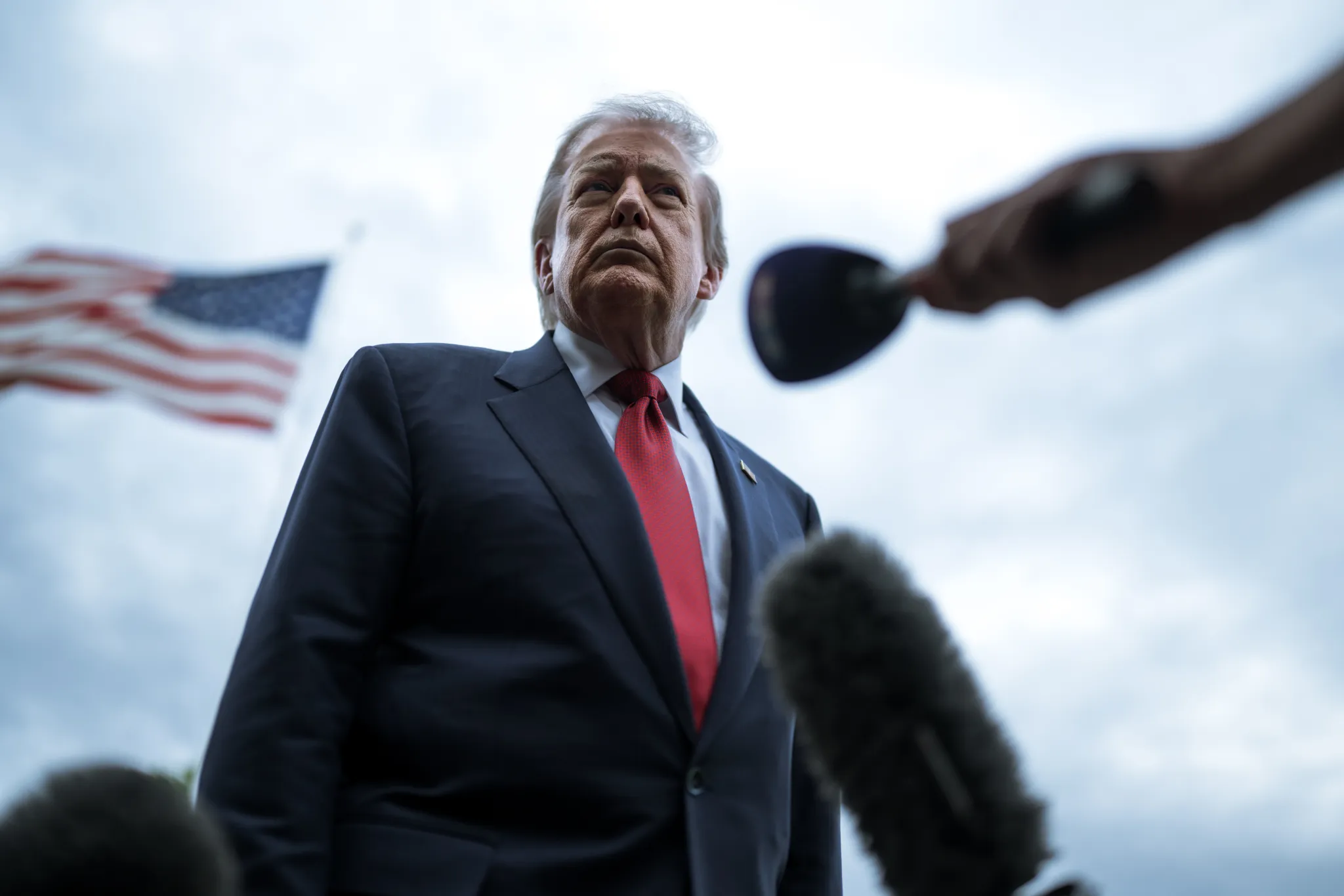

The Pentagon is reportedly increasing contingency planning for a possible military operation in Cuba, according to multiple media reports citing U.S. officials familiar with internal defense discussions. No formal order has been issued and the Pentagon has not confirmed any active operational intent.
The situation remains in the planning and assessment phase, but analysts say the timing of the reports is significant, coming amid renewed political pressure, economic strain in Cuba, and increasingly sharp rhetoric from U.S. leadership.
According to reporting from Anadolu Agency, the Pentagon has been directed to expand and update military contingency scenarios related to Cuba, including potential intervention frameworks if ordered by the White House.
Pentagon Military Operation in Cuba: What Is Actually Being Reported
The reports suggest that U.S. defense planners have been instructed to refine and broaden existing operational scenarios involving Cuba. These scenarios reportedly range from limited crisis response actions to more expansive military intervention planning, depending on political authorization.
According to USA Today, officials familiar with the matter claim the Pentagon has been reviewing updated operational plans in case President Donald Trump directs action in the Caribbean region.
Additional reporting from A News states that the directive includes preparedness for a wide range of contingencies, although no deployment orders exist at this time.
A Pentagon spokesperson has responded cautiously, stating that the Department of Defense routinely evaluates global contingencies and does not comment on hypothetical operations. This aligns with standard Pentagon policy, which keeps planning classified unless formally activated.
US Cuba Tensions 2026: Why Relations Are Getting Worse
The renewed focus on Cuba comes during a period of heightened US–Cuba tensions in 2026, driven by a combination of political messaging, economic pressure, and regional instability.
1. Long-Standing Economic Sanctions
The United States has maintained a decades-long sanctions regime against Cuba. In recent years, parts of this policy have been reinforced, contributing to worsening economic conditions on the island. Cuba continues to face shortages in fuel, medicine, and basic goods, alongside periodic power outages and inflationary pressure.
These economic pressures have increased domestic dissatisfaction and migration flows toward neighboring countries, particularly the United States.
2. Political Statements and Escalation Risk
Political rhetoric has played a major role in escalating tensions. According to reports by Antiwar.com, President Donald Trump has made statements suggesting stronger U.S. involvement in the Caribbean region, including references interpreted as potential willingness to consider intervention-related actions.
While such statements are politically controversial and not formal policy, they often influence defense planning priorities, as the Pentagon prepares for all possible directives from civilian leadership.
3. Cuban Government Position
Cuba has strongly rejected external pressure or interference in its political system. Officials have consistently stated that the country’s governance structure is not open to negotiation under foreign influence.
Deputy Foreign Minister Anayansi Rodríguez Camejo emphasized that Cuba’s internal political system remains sovereign and non-negotiable, while still leaving open the possibility of limited diplomatic dialogue on mutual concerns such as migration and regional security.
What a Pentagon Military Operation in Cuba Could Involve
Defense analysts stress that military planning does not equal a decision to go to war. The Pentagon routinely prepares contingency plans for all regions considered strategically sensitive, particularly those near U.S. territory.
However, based on historical doctrine and regional military structure, a theoretical planning framework for Cuba could include several categories of operations:
Rapid Response Deployment
This would involve fast mobilization of naval and air assets in the Caribbean region, potentially from bases in Florida or existing U.S. naval infrastructure.
Protection of Strategic Facilities
One key concern would be the security of the Guantánamo Bay Naval Base, which remains under U.S. control and is often included in contingency defense planning.
Maritime Security Operations
The Caribbean Sea is a critical route for trade and migration. Military planning often includes maritime monitoring, interception capabilities, and patrol coordination.
Humanitarian or Evacuation Scenarios
In the event of crisis escalation, planning may include evacuation of U.S. citizens or coordinated humanitarian assistance operations.
Migration Control Contingencies
Given ongoing migration flows from Cuba to the United States, defense planners often coordinate with Homeland Security for potential surge scenarios.
Regional Impact of a Possible Military Escalation
If tensions between the United States and Cuba were to escalate into a military confrontation, the consequences would extend far beyond the two countries involved.
Caribbean Regional Instability
Neighboring Caribbean nations could face disruptions in trade, tourism, and maritime security. Regional organizations would likely be forced into emergency diplomatic coordination.
Migration Pressure on Neighboring States
Historical patterns suggest that instability in Cuba leads to increased migration flows toward the United States and surrounding countries. A crisis scenario could significantly accelerate this trend.
International Diplomatic Fallout
Global reactions would likely be divided. Some governments could support U.S. strategic actions, while others, particularly in Latin America and parts of Europe, may strongly oppose any form of military intervention.
Diplomatic Channels Still Open Despite Rising Tensions
Despite the escalation in rhetoric and military planning discussions, diplomatic channels between Washington and Havana have not been fully closed.
Reports suggest that informal or limited communications are ongoing, primarily focused on managing migration, regional security concerns, and crisis prevention mechanisms.
However, no major diplomatic breakthrough has been announced, and relations remain highly strained.
Expert Perspective: Is War Likely?
Most foreign policy and defense experts caution against interpreting contingency planning as a sign of imminent war.
The Pentagon maintains planning frameworks for virtually every global region, including allies and adversaries alike. Cuba’s proximity to the United States naturally places it within routine strategic assessment.
However, experts also note that the combination of:
- increased political rhetoric;
- economic pressure through sanctions;
- heightened migration concerns;
- and public reporting of military planning.
Creates a more volatile diplomatic environment than in recent years. At present, there is no verified evidence of an active decision to launch military operations against Cuba.
As of now, the situation remains fluid. The United States continues to maintain pressure on Cuba through economic and political channels, while the Pentagon prepares for multiple potential scenarios.
Whether this remains a theoretical planning exercise or evolves into a deeper geopolitical crisis will depend heavily on diplomatic developments and political decisions in the months ahead.
Photo by Gage Skidmore, CC BY-SA 2.0, via Wikimedia Commons
For more political reporting and in-depth analysis, visit the Politics section at bdesk.news.
Continue reading:
Vance Says Pope Leo Should Stay Out of U.S. Affairs While Pope Leo Urges Washington to Avoid Iran Escalation
Trump Reports Daily to Netanyahu on Iran, but Not to Congress or the American People

Michaela Reeds is an investigative journalist and reporter with a focus on politics, science, and technology. She brings clarity to complex issues, translating policy developments, scientific breakthroughs, and technological innovations into compelling stories for a broad audience. She is known for her dedication to accuracy, transparency, and in‑depth reporting.