
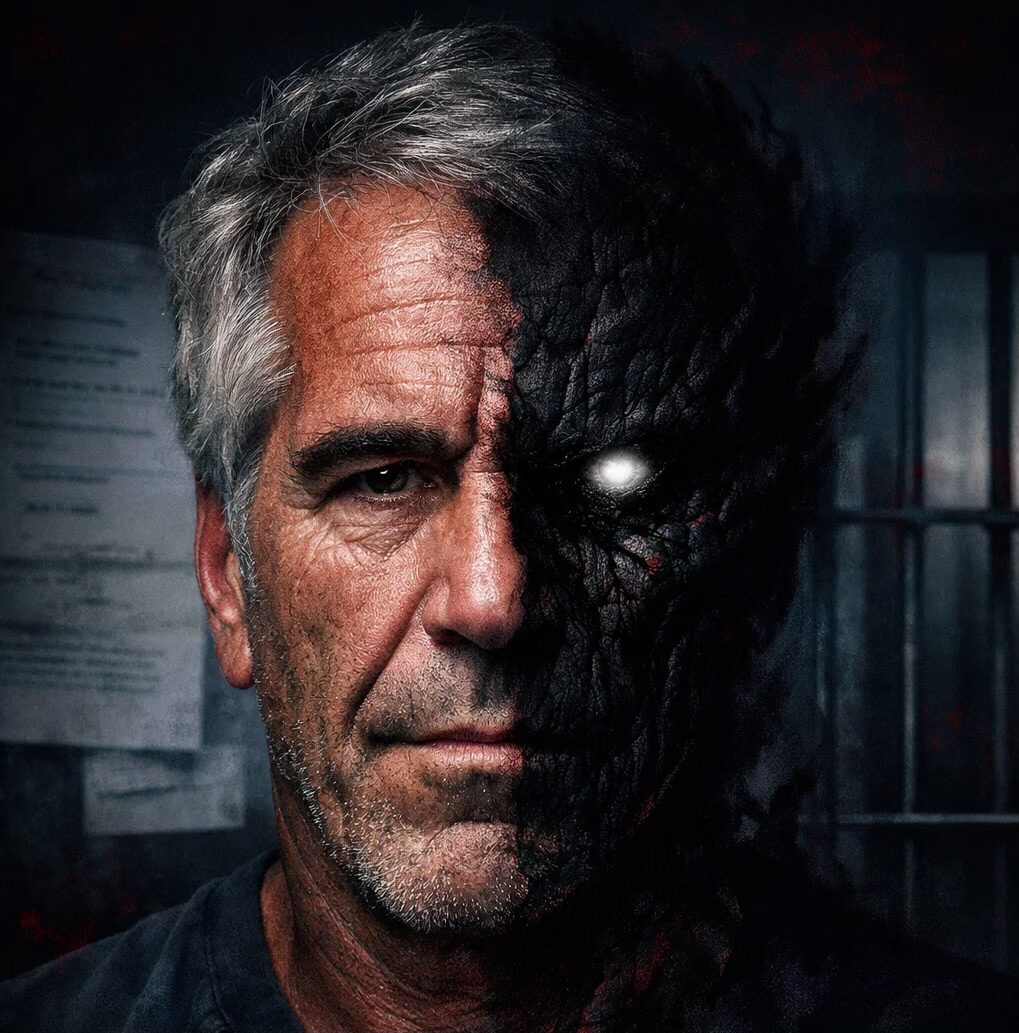
Epstein Files Reveal Critical Oversight in Investigation
New developments in the case of Jeffrey Epstein are raising fresh concerns about how authorities handled one of the most controversial criminal investigations in modern history.
According to recent reporting by The Guardian, two individuals who played central roles in Epstein’s professional network, his longtime accountant and legal counsel, told U.S. lawmakers they were never contacted or interviewed by federal investigators.
The testimony, delivered during congressional depositions, has intensified scrutiny over whether critical aspects of the Epstein investigation were left unexplored.
Central Figures Left Out of Questioning
The accountant and lawyer were not peripheral associates. Both were deeply involved in managing Epstein’s financial structures and legal affairs over many years. Their roles would have likely given them direct insight into how Epstein’s wealth was organized and potentially how it was used.
In complex financial investigations, such individuals are often among the first to be questioned. They can provide detailed information about:
- The movement of funds;
- Corporate entities and shell companies;
- Relationships between financial transactions and individuals.
The fact that these insiders were not interviewed is now being viewed by some lawmakers and analysts as a significant investigative gap.
Financial Networks at the Core of the Epstein Case
The Epstein case has long been associated with intricate financial arrangements, including offshore accounts and layered corporate structures. Experts in financial crime investigations emphasize that accountants play a crucial role in tracing such networks.
By analyzing financial records, investigators can often:
- Identify patterns of payments;
- Detect hidden ownership structures;
- Link transactions to specific individuals or entities.
Without direct testimony from Epstein’s financial gatekeepers, it remains unclear whether investigators were able to fully map the extent of his financial operations.
Lawmakers Question Investigative Decisions
The revelations reported by The Guardian have prompted renewed questions from lawmakers examining the broader handling of the Epstein case.
Among the key issues being raised:
- Why were obvious insider witnesses not questioned?
- Were investigative priorities focused elsewhere?
- Did institutional failures prevent a more thorough inquiry?
While millions of pages of documents tied to Epstein have been released in recent years, critics argue that document disclosure alone cannot compensate for gaps in investigative work.
Epstein Files and Ongoing Transparency Concerns
The release of Epstein-related documents, often referred to collectively as the “Epstein files”, has been a major focus of public and political attention. However, these releases have not fully resolved questions surrounding the case.
Concerns persist regarding:
- Redactions in key documents;
- Potentially unreleased materials;
- The completeness of the investigative record.
The latest testimony adds another layer to these concerns, suggesting that some lines of inquiry may not have been pursued at all.
Global Implications of the Epstein Case
The Epstein scandal has had far-reaching consequences beyond the United States, drawing attention from governments, financial institutions, and international organizations.
The case has highlighted issues such as:
- The regulation of global financial systems;
- Accountability for high-profile individuals;
- The challenges of investigating complex cross-border networks.
As new details emerge, the case continues to serve as a focal point for debates about transparency and justice.
A Shift in Focus: What Was Missed
While much of the public conversation around Epstein has focused on the names contained within documents, the latest developments suggest a different perspective may be necessary.
Rather than asking only who appears in the files, attention is increasingly turning to:
- What information was never uncovered;
- Which witnesses were not interviewed;
- Whether key evidence may have been overlooked.
This shift in focus could shape future investigations and oversight efforts.
Conclusion
The latest revelations in the Epstein files underscore that the case remains far from fully understood. Testimony indicating that key insiders were never questioned raises fundamental questions about the depth and effectiveness of the investigation into Jeffrey Epstein.
As lawmakers continue to review evidence and push for greater transparency, the central issue may no longer be limited to what is contained in the Epstein files, but also what may have been missed entirely.
Continue Reading:
– Iran Says Trump Is Lying – Full Report
– U.S. Insolvent? Treasury Financials Reveal Massive Liabilities Experts Say
– Suspicious Bets on US–Iran Ceasefire Raise Insider Trading Concerns

Ethan Brooks is a journalist with over 11 years of experience, specializing in finance, politics, and breaking news. He delivers timely, accurate reporting on market trends, economic developments, and major political events, helping readers stay informed on the stories that matter most.