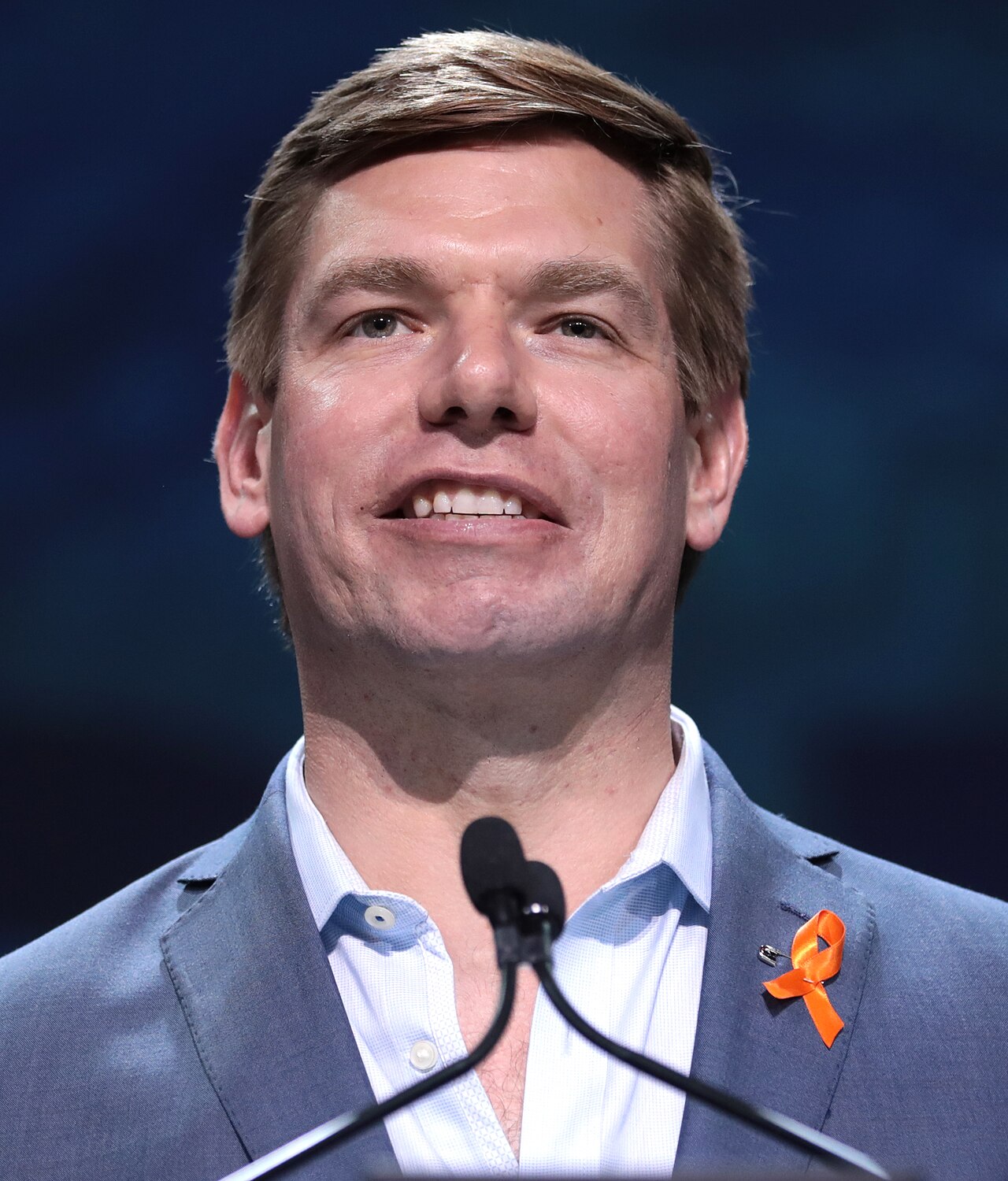
The race for governor in California has been thrown into turmoil after multiple women accused Congressman Eric Swalwell of sexual assault and misconduct, allegations that have rapidly escalated into one of the most consequential political scandals in recent U.S. state politics.
What began as a single accusation has evolved into a widening controversy involving legal scrutiny, political fallout, and growing calls for Swalwell to withdraw from the race. The situation continues to unfold in real time, raising broader questions about accountability, power, and the future of one of America’s most closely watched California governor election races.
Allegations Emerge and Multiply
The crisis began when a former congressional staffer publicly accused Swalwell of sexual assault, alleging multiple incidents over several years. According to reporting by Reuters, the accuser claimed she was too intoxicated to consent during at least two encounters, including one in New York.
Soon after, additional allegations surfaced. According to further reports, at least three other women accused Swalwell of inappropriate behavior, including unwanted messages and physical contact.
The rapid accumulation of accusations transformed what might have been a contained political controversy into a full-scale crisis, one now being formally examined by authorities.
The Manhattan District Attorney’s Office has since launched an investigation into the claims, signaling a serious legal dimension to the case.
Swalwell Denies All Claims
Swalwell has strongly denied all allegations, calling them “absolutely false” and politically motivated. In public statements, he has suggested that the timing, just weeks before California’s primary election, raises questions about the intent behind the accusations.
He has also taken legal steps to defend himself, including issuing cease-and-desist letters to some accusers and signaling willingness to pursue defamation claims.
Despite the mounting pressure, Swalwell has not formally exited the race as of now, though his political standing appears to be weakening rapidly.
Political Fallout: Support Collapses
The political consequences have been swift and severe.
Numerous high-profile Democrats, including members of Congress and party leaders, have withdrawn their endorsements and publicly called on Swalwell to step aside.
In a dramatic development, all 21 of his congressional endorsers reportedly pulled their support within days, marking a near-total collapse of institutional backing.
Prominent figures within the Democratic Party have described the allegations as “deeply troubling” and emphasized the need for a full investigation before any continuation of his campaign.
Even members of Swalwell’s own campaign infrastructure have distanced themselves. Staff resignations and internal dissent have further weakened his position, with some aides reportedly expressing support for the accusers.
Legal and Electoral Stakes
The investigation by New York prosecutors adds a layer of complexity that extends beyond politics. Legal proceedings, if they advance, could shape not only the trajectory of Swalwell’s campaign but also his broader political career.
Prosecutors have encouraged anyone with additional information to come forward, suggesting the investigation could expand. Meanwhile, the timing could not be more critical.
The 2026 California gubernatorial race is already highly competitive, featuring multiple prominent candidates vying to succeed outgoing leadership.
With mail-in ballots expected to be distributed soon, the controversy threatens to reshape voter perceptions at a decisive moment.
A Pattern Seen Before?
While each case is unique, the Swalwell controversy reflects a broader pattern seen in modern politics: allegations of misconduct emerging during high-stakes campaigns and rapidly altering electoral dynamics.
In recent years, both major political parties in the United States have faced similar crises involving candidates accused of inappropriate behavior. These cases often follow a familiar trajectory:
- Initial allegation;
- Rapid media amplification;
- Additional accusers come forward;
- Political allies withdraw support;
- Legal scrutiny intensifies.
Swalwell’s situation appears to be following this pattern closely, but with unusually rapid escalation.
Media, Power, and Public Perception
The role of media coverage has been central to the speed and scale of this unfolding story. According to multiple reports, the allegations gained national attention within hours, amplified by major outlets and television interviews with accusers.
This rapid exposure has placed immense pressure on political institutions to respond quickly, often before investigations are complete.
At the same time, the case highlights ongoing debates about how allegations should be handled in the public sphere, particularly when they intersect with electoral politics.
What Happens Next?
Several possible scenarios could shape the next phase of this story:
1. Withdrawal from the Race
With mounting pressure from party leaders, Swalwell may ultimately decide, or be forced, to exit the gubernatorial contest.
2. Continued Campaign Amid Investigation
He could choose to remain in the race, betting that voters will wait for legal clarity before making a judgment.
3. Escalation of Legal Proceedings
If prosecutors move forward with formal charges or expand the investigation, the political consequences would likely intensify dramatically.
Why This Story Matters Beyond California
While the controversy is centered in California, its implications are national.
The state is the most populous in the U.S., and its governor often plays a significant role in shaping national policy debates. A major scandal involving a leading candidate has ripple effects across:
- Party strategy;
- Voter trust;
- Media coverage of elections;
- Standards of accountability for public officials.
In addition, the case underscores the increasing intersection of legal systems and electoral politics in the United States.
Conclusion: A Campaign on the Brink
The allegations against Eric Swalwell have transformed the California governor’s race almost overnight.
What was once a competitive political contest has become a high-stakes test of credibility, accountability, and resilience, both for the candidate and for the political system surrounding him.
As investigations continue and pressure mounts, the coming days will likely determine whether Swalwell’s campaign can survive or whether this moment marks its definitive end.
Photo: Wikimedia Commons – Gage Skidmore
For more political reporting and in-depth analysis, visit the Politics section at bdesk.news.
Continue reading:
Why Trump Can’t Own a Gun but Controls Nuclear Weapons
Russia’s Law to Register Stolen Cars from EU Countries

Michaela Reeds is an investigative journalist and reporter with a focus on politics, science, and technology. She brings clarity to complex issues, translating policy developments, scientific breakthroughs, and technological innovations into compelling stories for a broad audience. She is known for her dedication to accuracy, transparency, and in‑depth reporting.