
The Hidden Force Behind Global Oil Prices
Oil prices in 2026 are often explained through supply cuts, demand trends, or geopolitical tensions. But one of the most consistent forces shaping global energy costs operates in the background.
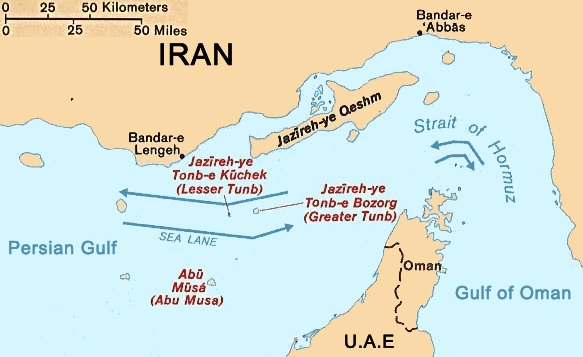
The Strait of Hormuz, a narrow waterway connecting the Persian Gulf to global markets, has become more than just a strategic route. It now functions as a built-in pricing factor, quietly pushing oil prices higher even when there is no active disruption.
Understanding how this happens requires looking beyond headlines and focusing on how modern energy markets actually work.
The Mechanism: How the Strait of Hormuz Inflates Prices
The impact of the Strait of Hormuz on oil prices follows a clear, three-step mechanism that operates continuously.
1. Persistent Risk Perception
Energy markets assign a constant level of risk to the Strait due to its geopolitical sensitivity. Tensions involving Iran, as well as the strategic presence of the United States, mean that the possibility of disruption is never fully dismissed.
Even in stable periods, this risk is treated as permanent rather than temporary.
2. Preemptive Price Adjustment
Traders, institutions, and algorithmic systems incorporate this risk into oil prices before any disruption occurs. Instead of reacting to events, markets anticipate them.
This creates a geopolitical risk premium, a built-in increase in price that reflects uncertainty rather than actual supply shortages.
3. Transmission to the Real Economy
Higher oil prices feed directly into transportation, manufacturing, and logistics costs. These increases are passed along supply chains, affecting everything from fuel prices to consumer goods.
The result is a subtle but persistent inflationary effect that extends far beyond energy markets.
A Structural Dependency That Reinforces the Effect
The influence of the Strait of Hormuz is amplified by the scale of global dependence on it. Around 20% of the world’s oil supply passes through this single route.
Major exporters such as Saudi Arabia, Iraq, and the United Arab Emirates rely heavily on the Strait to access international markets.
This concentration means that even a low probability of disruption carries significant consequences, reinforcing the need for markets to price in risk continuously.
Why Alternatives Have Not Reduced the Pressure
Efforts to bypass the Strait of Hormuz have had limited success. Pipeline networks and alternative export routes in Saudi Arabia and the United Arab Emirates can only handle a portion of total exports.
Additionally, these alternatives come with higher costs and their own geopolitical risks.
As a result, the Strait remains central to global energy flows, ensuring that its associated risk continues to influence pricing.
From Physical Route to Financial Driver
What has changed most in recent years is not the importance of the Strait of Hormuz, but how markets respond to it.
Modern trading systems process geopolitical information in real time. Even minor developments—policy changes, military activity, or diplomatic signals, are quickly reflected in oil prices.
This has transformed the Strait into a financial driver, where perception and expectation can move markets as much as physical supply disruptions.
Global Consequences Beyond Energy
The pricing impact of the Strait of Hormuz extends into the broader global economy.
Countries across Europe and Asia, which depend heavily on imported energy, are particularly exposed. Higher oil prices increase transportation costs, raise production expenses, and contribute to inflation.
This creates a chain reaction:
- higher fuel costs
- more expensive goods and services
- increased pressure on households and businesses
In this way, the Strait’s influence reaches far beyond the energy sector.
A Permanent Feature of Energy Markets
Governments and companies are actively working to reduce dependence on the Strait of Hormuz through diversification, strategic reserves, and renewable energy investments.
However, these efforts are gradual and cannot fully replace the volume of oil that flows through the Strait.
As long as this dependency exists, the associated risk—and its impact on prices—will remain a permanent feature of global energy markets.
Why the Strait’s Influence Is Here to Stay
The Strait of Hormuz no longer needs a crisis to influence oil prices. Its role has evolved into something more constant and less visible.
By embedding a continuous risk premium into energy markets, it quietly inflates prices and contributes to global inflation. This makes it not just a strategic chokepoint, but a persistent economic force shaping the cost of energy worldwide.
Want to learn more about how U.S.–Iran tensions affect global energy markets? Check out our article: Trump Ultimatum: 48 Hours to Open Strait of Hormuz or Face “Obliteration”