The Iran Israel war has intensified over the last 24 hours, with the United States playing an increasingly visible military role as tensions between Israel and Iran continue to escalate.
While the United States has been involved from the beginning through military support and regional deployments, recent developments suggest its role is becoming more direct, raising concerns about a broader conflict in the Middle East.
U.S. Role: From Support to Active Military Pressure
From the early stages of the Iran Israel war, the United States has provided critical support to Israel, including missile defense cooperation, intelligence sharing, and military aid.
However, according to Reuters, the last 24 hours indicate a shift toward more active military pressure, with U.S. forces targeting Iran-linked infrastructure and reinforcing positions across the region.
Israeli Strikes Continue Inside Iran
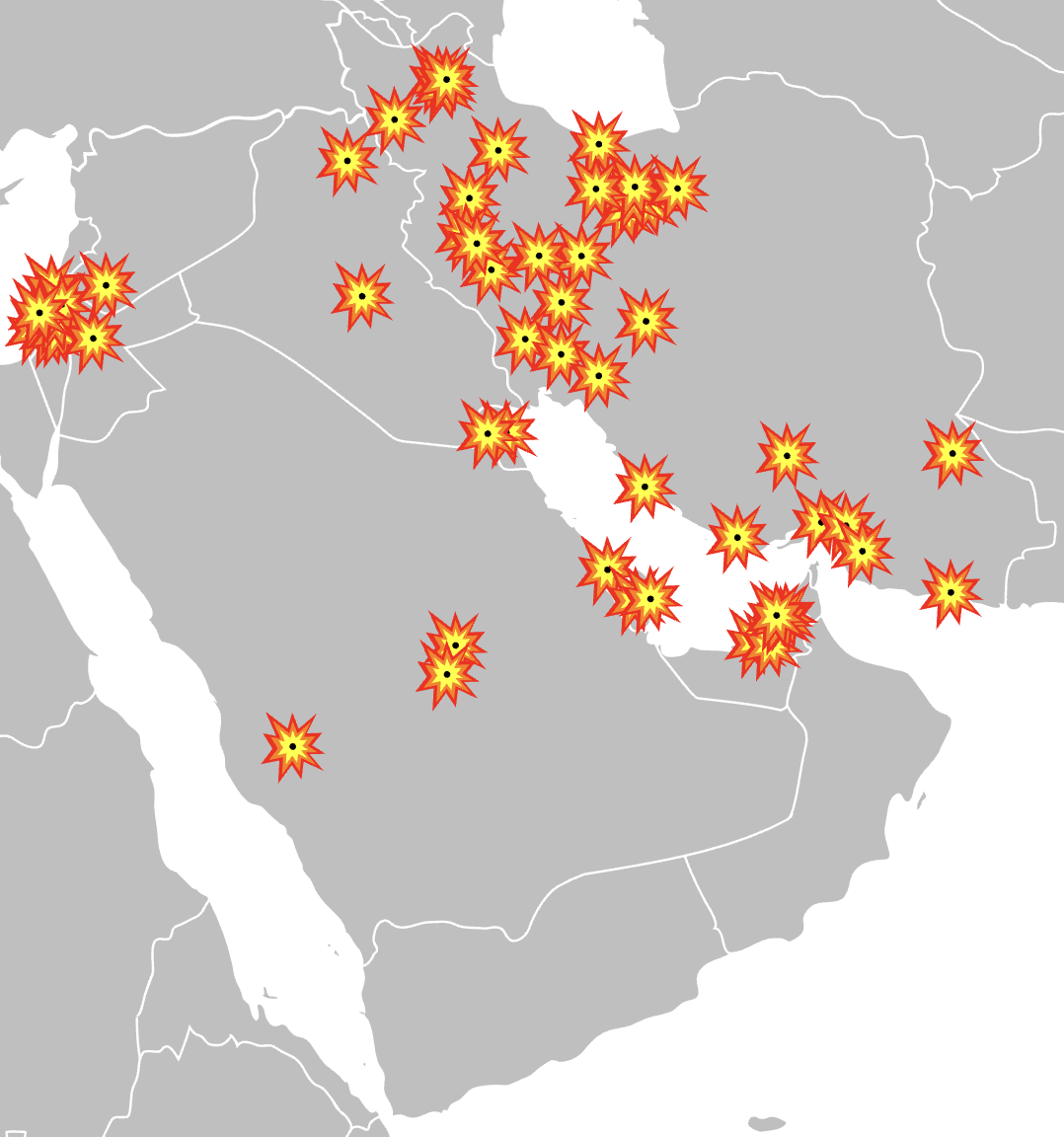
At the same time, Israel has expanded its air campaign, conducting precision strikes deep inside Iranian territory. These operations are aimed at degrading Iran’s missile capabilities and limiting its ability to sustain long-range attacks.
Military analysts note that Israel’s strategy focuses on high-value targets, including missile production sites and strategic infrastructure. Despite this, Iran has continued to demonstrate that it retains the ability to retaliate.
Iranian Retaliation Maintains Pressure
Iran has responded with sustained missile and drone attacks targeting Israeli territory. According to The Guardian, some of these strikes have landed near sensitive areas in southern Israel, causing injuries and damage.
Importantly, there has been no confirmed destruction of nuclear facilities, a threshold that would likely trigger a much more severe international response.
Iran’s approach appears focused on demonstrating resilience while avoiding actions that could provoke an overwhelming escalation.
Conflict Expands Across the Region
The Iran Israel war is also becoming increasingly regional in scope. Iran-aligned groups have intensified activity, creating additional pressure points beyond the direct Israel–Iran confrontation.
According to Reuters, this expansion increases the risk of a broader Middle East conflict involving multiple actors.
This multi-front dynamic complicates military calculations and raises the likelihood of unintended escalation.
Rising Casualties and Civilian Impact
The human cost of the conflict continues to grow. Multiple outlets report that casualties in Iran have increased significantly since the start of coordinated strikes, with thousands reported dead or injured.
Humanitarian organizations warn that civilians are increasingly affected, particularly in densely populated areas where military targets are located near residential zones.
In Israel, missile defense systems have reduced the overall impact of attacks, but injuries and damage have still occurred.
Global Economic Shockwaves
The Iran Israel war is already affecting global markets. Oil prices have shown volatility amid fears of disruption in key shipping routes, especially the Strait of Hormuz.
According to Reuters, any disruption in this corridor could have serious global economic consequences.
This has raised concerns about inflation and energy security, particularly in countries dependent on imported oil.
A Conflict on the Edge
The last 24 hours have reinforced that the Iran Israel war is entering a more dangerous phase. The increasing involvement of the United States, combined with sustained military exchanges and regional expansion, has created a highly unstable situation.
Despite this, there are still signs of restraint:
- No confirmed nuclear facility strikes;
- No use of extreme or unconventional weapons;
- Continued focus on military targets.
These limits suggest that all sides are attempting to avoid triggering a full-scale war, even as they escalate pressure.
What Comes Next
The situation remains fluid, but three main scenarios are emerging:
- Controlled escalation
Continued strikes without full-scale war - Regional expansion
More actors becoming directly involved - Major escalation event
A high-casualty incident or strategic strike changing the trajectory
Conclusion
The Iran Israel war is no longer just a bilateral conflict, it is a broader regional crisis with global implications.
The United States has been involved from the beginning as a key supporter of Israel, and its role is now becoming more visible and more active. However, it is not yet engaged in a full-scale war with Iran.
The coming days will be critical in determining whether this conflict remains contained or escalates into something far more dangerous.
Continue Reading:
Iran Says Trump Is Lying – Full Report
Trump Pays $1 Billion of Taxpayers’ Money to Cancel Wind Project
Suspicious Bets on US–Iran Ceasefire Raise Insider Trading Concerns

Ethan Brooks is a journalist with over 11 years of experience, specializing in finance, politics, and breaking news. He delivers timely, accurate reporting on market trends, economic developments, and major political events, helping readers stay informed on the stories that matter most.