Pakistan’s government has unleashed a warning to Israel following reports of a military strike near the embassy in Tehran that allegedly impacted areas close to the Pakistani diplomatic mission, marking an intensification of rhetoric that further strains relations between Islamabad and Jerusalem at a volatile moment in the Middle East.
Foreign office officials in Islamabad condemned the reported action by Israel and its partners, asserting that Pakistan “is no Qatar” and would respond “forcefully” if its interests were threatened, showing growing frustration in Pakistan with what its leaders and commentators view as reckless escalation in the region.
The terse warning comes amid a widening conflict that has drawn in Iran, Yemen’s Houthi movement, and regional powers, prompting fears of a broader conflagration stretching from the Persian Gulf to the Levant and Red Sea.
Escalation Near Iranian Capital Sparks Diplomatic Outcry
The dispute was triggered by reports that Israeli and U.S. forces conducted an operation in Tehran targeting Iranian infrastructure closely connected to military leadership, leading to dramatic regional reactions. Pakistan’s foreign ministry publicly denounced the strike and framed it as an unacceptable escalation, particularly given Islamabad’s historical ties and diplomatic engagement with neighbouring Iran.
In a two‑paragraph statement, senior Pakistani officials said the country would not countenance what it sees as unilateral acts of force that jeopardize regional diplomacy and civilian safety, Moneycontrol reported.
“Israel must remember, Pakistan is no Qatar. We will beat hell out of them if any harm occurred to our diplomats, anywhere in the world.”
Analysts say the comments reflect broader unease in Pakistan’s political establishment about the direction of the Middle East conflict and its potential spillover into South Asia if major powers remain at odds.
Pakistan’s Foreign Policy Context on Israel
Pakistan and Israel have no formal diplomatic relations, a state of affairs rooted in Pakistan’s longstanding support for the Palestinians and refusal to recognize Israeli sovereignty until a negotiated two‑state solution is reached. This policy has shaped Islamabad’s hesitant engagement in Middle East diplomacy for decades.
Since the 1948 Arab‑Israeli war, Pakistan’s leaders have consistently aligned with Arab and Muslim states in supporting Palestinian rights and condemning Israeli military operations that have caused civilian casualties in Gaza and the West Bank. Over time, military, civil, and political elites in Islamabad have reiterated that recognition of Israel remains off the table absent a permanent and just settlement.
Despite those policy positions, there have been discrete engagements between the two countries, often facilitated by third parties such as Turkey, and tentative behind‑the‑scenes communications on mutual security concerns. However, these interactions have never translated into formal ties.
Regional Conflict Adds Pressure
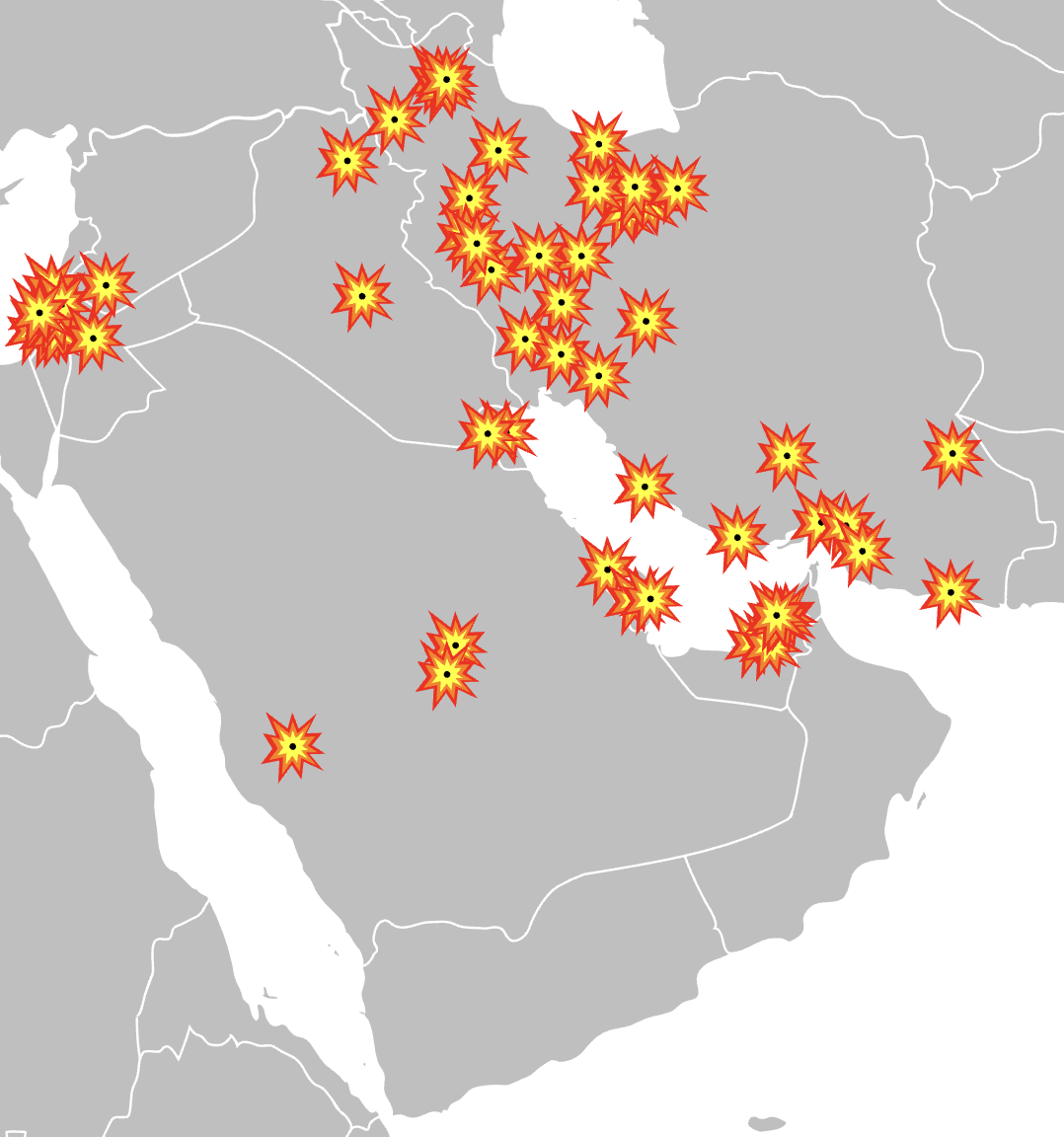
The recent flare‑up around Tehran is part of a broader conflict that has engulfed multiple fronts. In recent days, Iran‑aligned Houthi forces in Yemen have claimed responsibility for launching missiles toward Israeli territory, marking the group’s first direct engagement in the conflict. Israeli defenses intercepted the attack, but the development underscores the intensity of regional hostilities.
Concurrently, heavy fighting has been reported by multiple outlets such as Reuters in southern Lebanon between Israeli forces and Hezbollah, as well as repeated cross‑border clashes in Syria. Drone and missile strikes linked to Iranian proxies have targeted installations across Gulf states, injuring foreign troops and exacerbating already high tensions.
International diplomacy has struggled to keep pace. While Saudi, Turkish, and Egyptian officials have engaged in shuttle diplomacy, and separate peace efforts are underway, none have produced a meaningful de‑escalation as violence continues across northern Africa, the Arabian Peninsula, and Levantine theatres.
Islamabad’s Strategic Calculus
In this intricate geopolitical environment, Pakistan’s warning to Israel signals an attempt to balance several competing pressures: support for Muslim allies, commitment to Palestinian rights, domestic political sentiment, and its historically cautious approach to direct confrontation with nuclear‑armed states.
Pakistan’s government has also sought to host diplomatic gatherings with influential Muslim nations, with some commentators observing that Islamabad may be attempting to spearhead a coordinated political alternative to perceived Western dominance in the conflict. Reports suggest meetings with representatives from Turkey, Saudi Arabia, and Egypt may lay the groundwork for deeper cooperation among Muslim‑majority countries on shared security concerns, informally dubbed by analysts as an “Islamic NATO.”
Such initiatives come at a time when global powers remain deeply involved, the United States has increased its regional presence, while Russia and China continue to hedge their strategic interests in the Middle East.
Risks and Reactions
Experts warn that Pakistan’s hardline rhetoric could inflame already volatile public opinion at home and abroad. In Pakistan’s domestic media and social networks, some voices applaud the government’s assertive stance, while others caution against entanglement in conflicts that could have spillover effects far from South Asia.
Diplomats in Islamabad have emphasized that despite fiery language, Pakistan remains committed to peaceful resolution frameworks and encourages restraint by all parties involved. However, continued violence in Iran, Yemen, and the Levant complicates diplomatic initiatives and heightens the risk of inadvertent escalation.
Whether Islamabad’s strong response will translate into concrete policy shifts or remain mainly rhetorical will depend on developments in the wider Middle East conflict, the positions adopted by regional power, and how far global diplomatic efforts can stem the tide of violence.
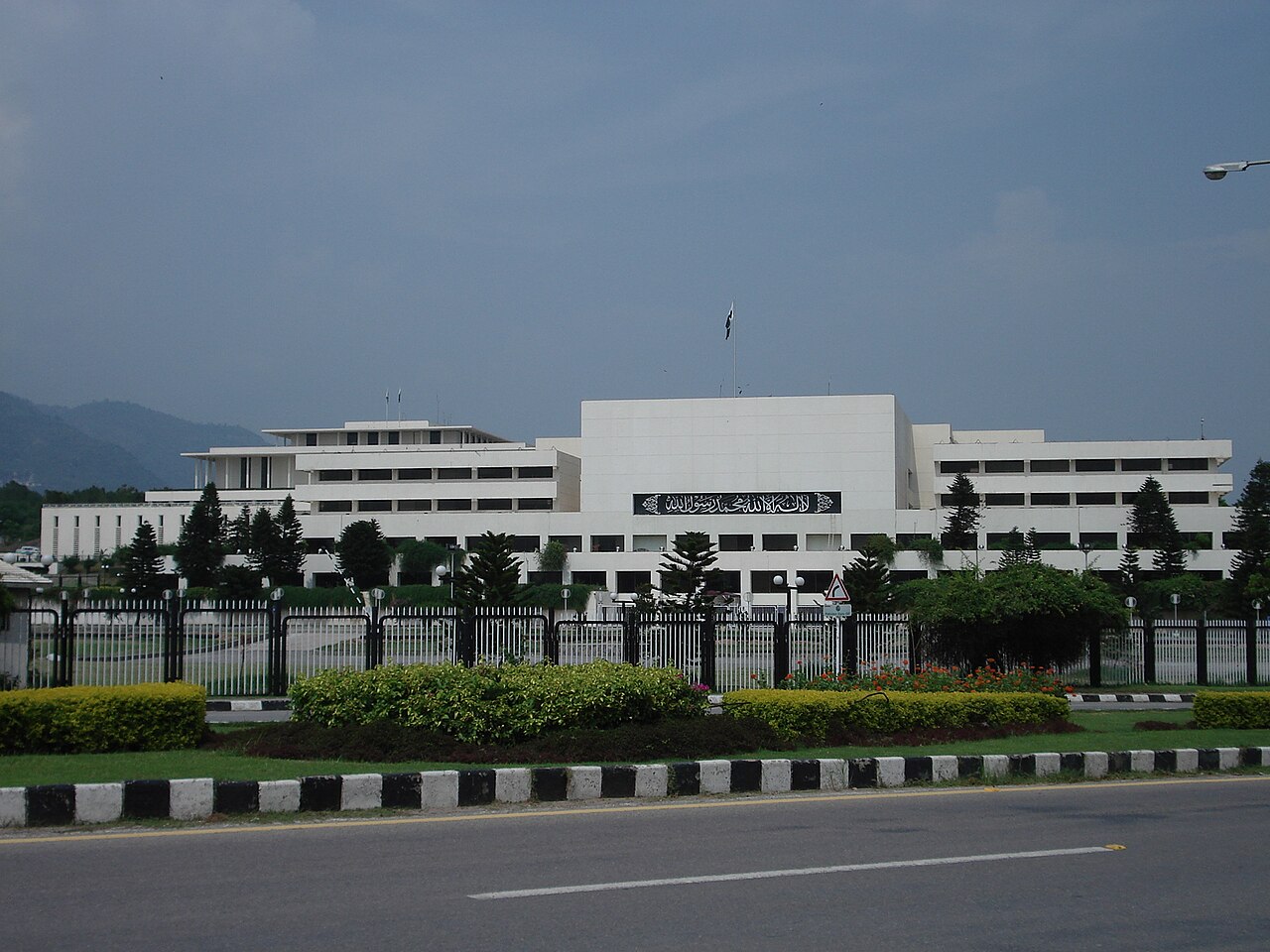
Photo by Uroojmirza71 / Wikimedia Commons, licensed under CC BY-SA 4.0.
Continue Reading:
Why France Is a Superpower: The Strategic Lands Powering Its Global Influence
U.S. Insolvent? Treasury Financials Reveal Massive Liabilities Experts Say
Russia’s Attacks on Ukraine Push Moldova Into Energy Crisis

Ethan Brooks is a journalist with over 11 years of experience, specializing in finance, politics, and breaking news. He delivers timely, accurate reporting on market trends, economic developments, and major political events, helping readers stay informed on the stories that matter most.