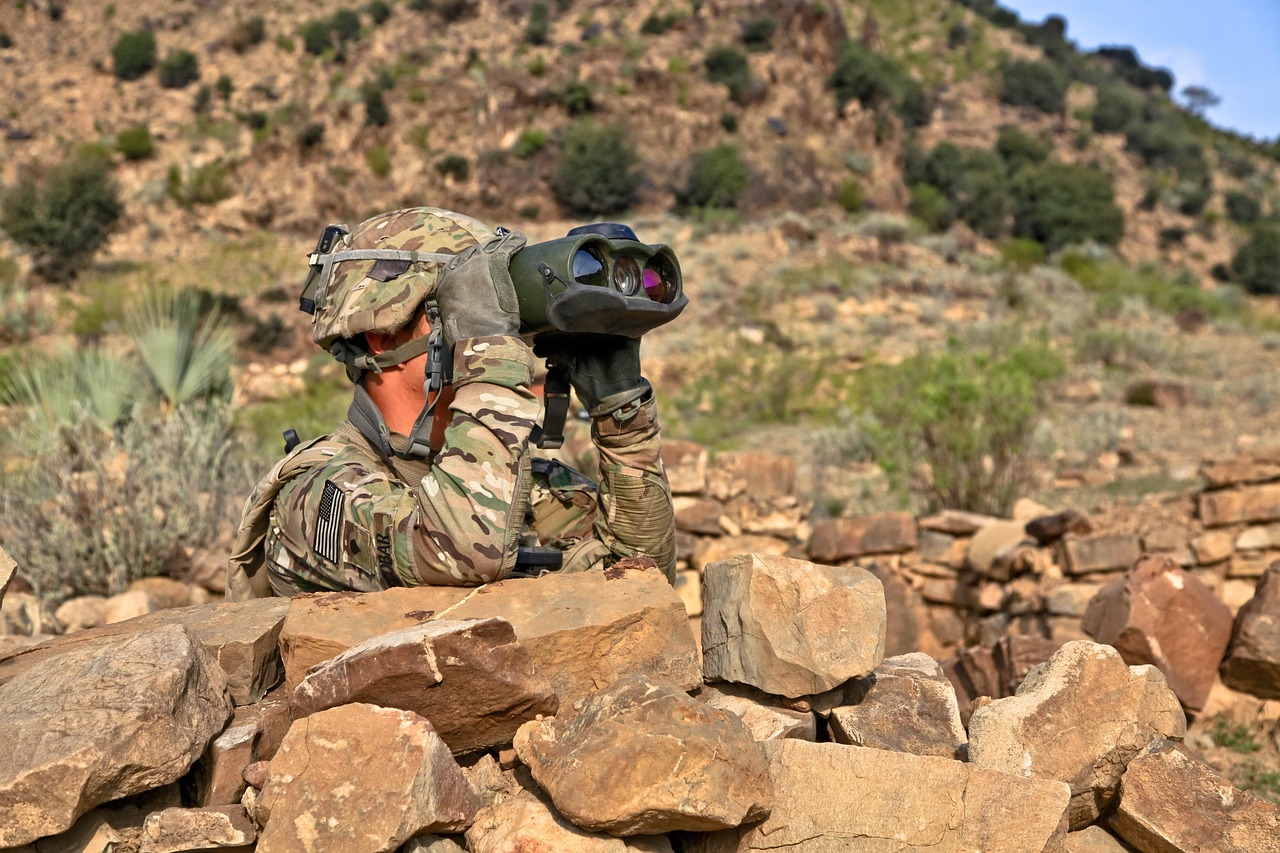
The Pentagon is quietly preparing a range of contingency plans that could see U.S. troops conduct ground operations inside Iran lasting for weeks, according to U.S. defense officials. The planning signals a possible shift in strategy in the widening conflict between Tehran and Washington, one that stops short of a full invasion but represents a deeper involvement on the ground.
Officials familiar with the deliberations, speaking on condition of anonymity because of the sensitivity of the subject, said the Pentagon’s options under review include limited raids by Special Operations forces and conventional infantry rather than a large‑scale occupation, according to Washington Post. These steps would be designed to disrupt Iranian military capabilities and secure key strategic points if President Donald Trump authorizes them.
Planning, Not Decisions
Despite the depth of planning, senior U.S. officials stress that no final decision has been made. Pentagon leadership describes the work as preparing a menu of military options that would give the commander in chief flexibility if diplomacy fails or military circumstances change.
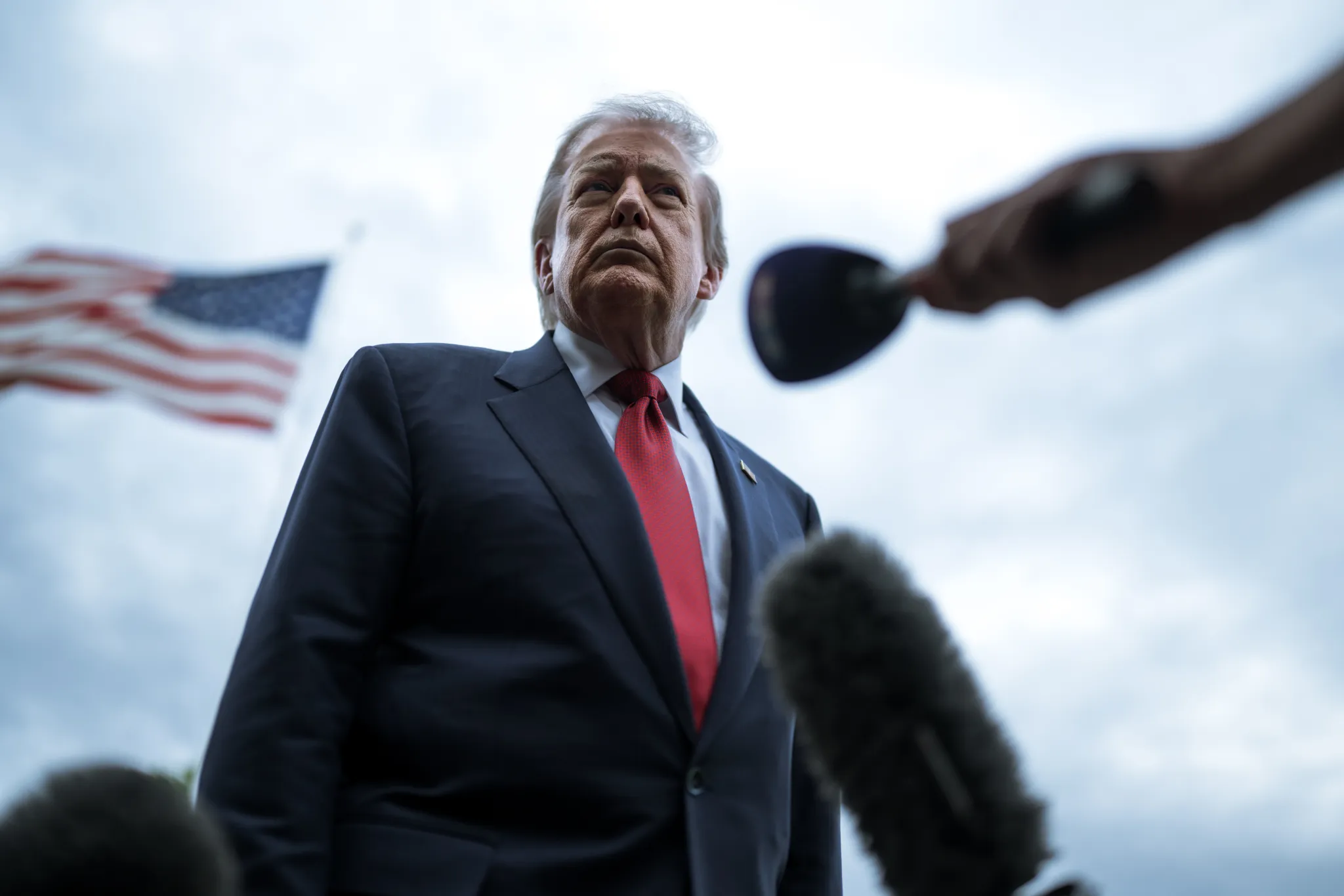
In public remarks, White House and Pentagon spokespeople have played down the likelihood of significant U.S. ground action in Iran. In a written response to questions for The Washington Post’s reporting, Karoline Leavitt, the White House press secretary, emphasized that preparations do not signal an imminent deployment.
“It’s the job of the Pentagon to make preparations in order to give the Commander in Chief maximum optionality.” she said. “It does not mean the President has made a decision.”
What Ground Operations Could Look Like
According to U.S. officials cited in the Washington Post article, any ground action would differ substantially from the large‑scale invasions seen in Iraq or Afghanistan. Instead, the plans under discussion focus on agility and targeted objectives:
- Short raids and special missions: Elite units could be tasked with destroying specific military assets or disrupting Iranian logistical capabilities.
- Strategic infrastructure objectives: Some planners have considered operations near key locations such as Iran’s oil export facilities, including Kharg Island, to limit Tehran’s ability to finance and sustain military action.
- Support for naval and air campaigns: Ground elements could work in conjunction with ongoing aerial and maritime operations to strengthen pressure on Iranian forces.
Despite these designs, military planners are conscious of the risks. Iran’s extensive defensive preparations, combined with modern anti‑access capabilities such as missiles, drones, and improvised defenses, pose significant hazards to troops operating within its borders.
Troop Deployments and Military Buildup
The planning comes amid a notable U.S. military buildup in the Middle East. Thousands of Marines and soldiers have already been repositioned to the region over recent weeks, even as the administration publicly suggests the conflict may be moving toward a negotiated settlement.
U.S. forces deployed include elements of the 31st Marine Expeditionary Unit and other expeditionary units with capabilities suitable for quick insertion and withdrawal. Planners say these forces could be the vanguard of any ground action, but additional deployments, including units from the 82nd Airborne Division, are under consideration.
Political and Public Reaction
The possibility of ground operations has sparked debate in Washington. Lawmakers from both parties have expressed concern about deepening U.S. involvement in a conflict with an unpredictable adversary.
According to Reuters, some members of Congress, particularly those traditionally supportive of a robust military posture, have voiced conditional support for targeted operations designed to protect U.S. interests and allies. Others argue that a ground campaign risks entangling the U.S. in a prolonged conflict with high human and economic costs.
Public opinion in the United States appears to reflect deep skepticism about expanded military action. Recent polling, cited in The Washington Post reporting, shows a majority of Americans oppose the deployment of ground troops in Iran, even if they back defensive air and naval strikes.
Regional Implications and Global Stakeholders
International responses have been cautious. U.S. allies in Europe and the Middle East have broadly supported defensive operations while urging diplomatic engagement to stem further escalation. Regional powers watching from the sidelines are increasingly wary of what expanded ground action could mean for stability in the Persian Gulf and global economic conditions, given the region’s importance in energy markets.
Iranian officials have repeatedly condemned U.S. military buildup and warned of severe repercussions if foreign forces enter Iranian soil. Tehran has emphasized its willingness to defend its territory and denounced Washington’s actions as violations of international norms.
The Road Ahead
As it stands, the U.S. strategy remains in flux: the Pentagon continues detailed planning, diplomatic efforts persist, and the White House weighs its options. Whether these preparations culminate in tangible ground operations within Iran will depend on shifting battlefield dynamics, diplomatic negotiations, and political calculations in Washington.
The coming days are expected to challenge both the U.S. military’s determination and the administration’s overall strategy in a conflict that has already altered the balance of security across the region.
Continue Reading:
Why France Is a Superpower: The Strategic Lands Powering Its Global Influence
U.S. Insolvent? Treasury Financials Reveal Massive Liabilities Experts Say
Russia’s Attacks on Ukraine Push Moldova Into Energy Crisis

Ethan R. Brooks is a journalist with over 11 years of experience, specializing in finance, politics, and breaking news. He delivers timely, accurate reporting on market trends, economic developments, and major political events, helping readers stay informed on the stories that matter most.