For more than half a century, the U.S. dollar has been the undisputed currency of global oil markets, a pillar of American economic and geopolitical power.
This long‑read explores the birth of the petrodollar, its evolution through geopolitical shifts, and how the events in 2026, from Iran War to President Donald Trump’s strategic decisions, are reshaping the narrative around the dollar’s role in global energy pricing.
How the Petrodollar Was Born and Why It Mattered
The word petrodollar has become shorthand for an international system in which oil is priced and traded in U.S. dollars. But it wasn’t always this way.
After the collapse of the Bretton Woods gold‑backed dollar in 1971, the United States faced a strategic challenge. Without gold convertibility, global confidence in the dollar was at risk. In 1974, the U.S. struck a deal with Saudi Arabia, the world’s largest oil exporter, agreeing that Saudi oil would be priced exclusively in dollars. In return, the United States offered security guarantees and assured buyers access to American capital markets. Within years, other members of OPEC followed suit, and a convention was born: oil would trade globally only in U.S. dollars.
That convention became more than simple trade protocol. It created persistent global demand for the dollar, significantly expanding its role as the world’s reserve currency. Oil buyers needed dollars to fuel their economies; oil sellers accumulated dollars and reinvested them into U.S. Treasury securities in a cycle now known as petrodollar recycling.
Economists argue that this arrangement helped sustain U.S. influence in global finance for decades, dampening borrowing costs at home, strengthening Washington’s diplomatic leverage abroad, and underpinning the dollar’s dominance in global reserves.
Why the Petrodollar Endured for Decades
The petrodollar wasn’t enshrined in any treaty or mandate, it survived because it was efficient, liquid, and supported by powerful alliances.
• Liquidity and trust: U.S. government bonds and the U.S. financial system have long been among the deepest and most trusted in the world. That made holding and trading dollars easy for governments and corporations alike.
• Security arrangements: The United States maintained defense ties with energy‑producing states like Saudi Arabia, reinforcing financial ties with geopolitical guarantees.
• Network effects: As more trade was conducted in dollars, switching to alternatives became costly and complicated, reinforcing the system’s inertia.
Even countries with different strategic interests tended to accept dollars for oil because of this stability. Still, Iran was an early exception. Beginning in the early 2000s, Tehran occasionally sought to price oil in alternative currencies such as euros, a move that analysts have long said was perceived as a challenge to the established order.
The System Under Stress: Geopolitics and Currency Shifts
Over the past two decades, cracks began to show in the petrodollar’s armor.
Global economic power shifted eastward as China’s economy exploded, and Russia deepened energy ties with Asian partners. Some oil exporters flirted with agreements denominated in euros, yuan, or even bilateral barter arrangements, not because the dollar was failing, but because economic diversification made sense.
In parallel, rising digital finance, alternative payment systems, and multilateral blocs like BRICS pushed ideas of de‑dollarization, encouraging trade settlement outside the U.S. currency. Economists from major banks have noted that while roughly 80 % of crude oil still trades in dollars, that figure has gradually dipped as more players experiment with alternatives.
Iran, the Strait of Hormuz, and the Ultimate Stress Test
The geopolitical earthquake of 2026, an escalating conflict between the U.S., Israel, and Iran has thrust the petrodollar debate back into the spotlight.
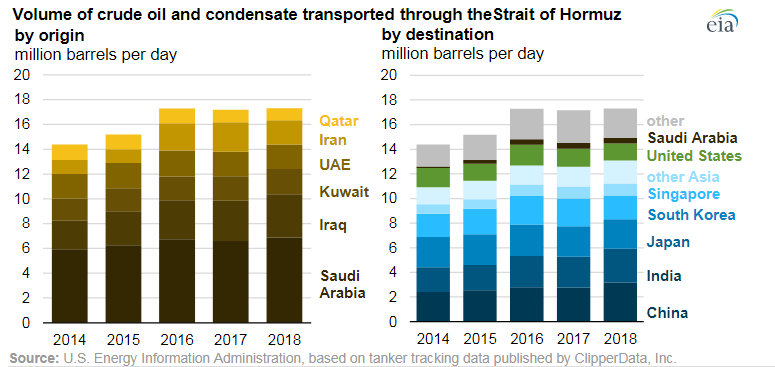
The Strait of Hormuz, a narrow shipping lane through which roughly one‑fifth of the world’s oil flows, became a focal point of military and economic strategy. Disruptions here ripple through global markets, and even calm signals can shift currency and commodity valuations.
Reuters reported that the Iran war “could be undermining the foundations of the petrodollar system,” as producers and buyers reassess long‑standing norms in the face of unpredictable geopolitics.
One question looming for analysts is whether Tehran might leverage economic pressure to require safe passage in exchange for pricing trade in currencies other than dollars, potentially weakening the convention that oil must trade in U.S. currency. Such scenarios are hypothetical today, but they underscore the fragility of conventions built on geopolitical stability.
Donald Trump: Policy, War, and Petrodollar Strategy
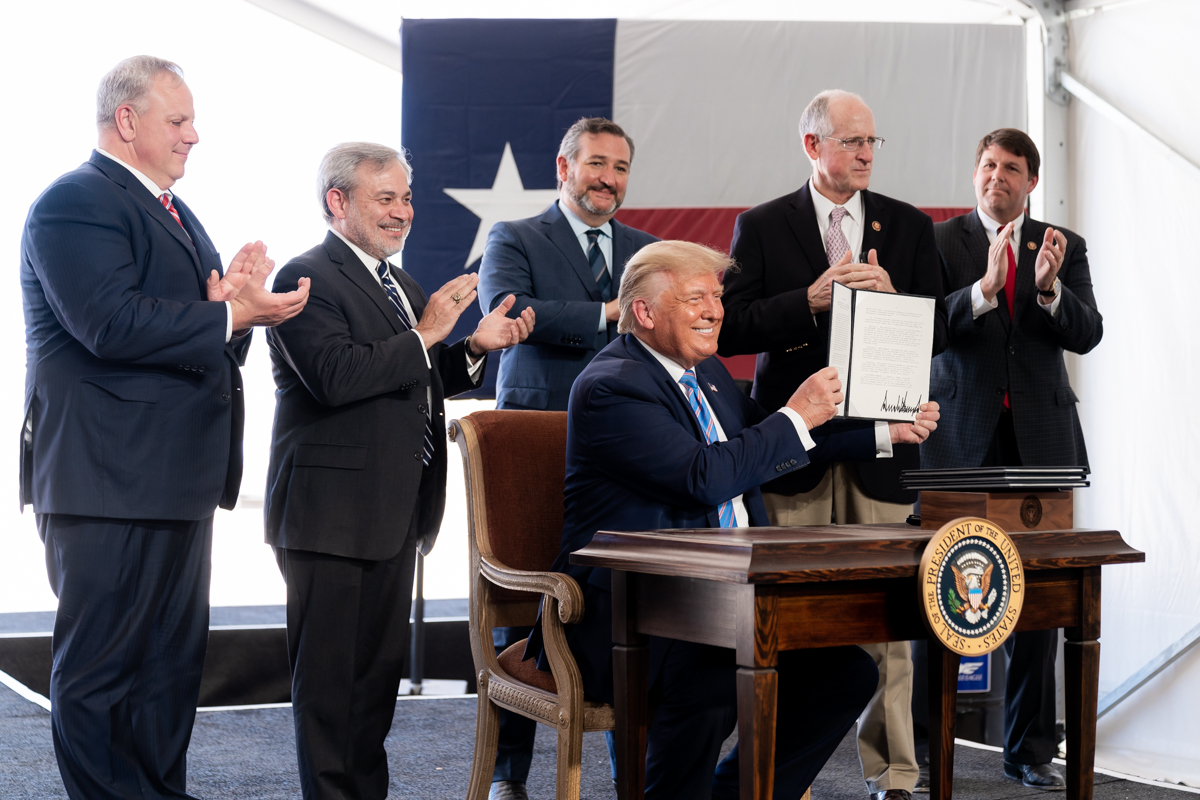
In recent months, Trump has ruled out tapping the Strategic Petroleum Reserve even as gasoline prices rose due to the Iran conflict, insisting in a Reuters interview that the war effort was “far more important than having gasoline price go up a little bit.” While not a direct comment on the petrodollar, the remark reflects Trump’s willingness to let market dynamics play out amid geopolitical risk.
Moreover, earlier in his administration, Trump’s actions in Venezuela, including the capture of President Nicolás Maduro, sparked fresh debate over the petrodollar’s future. Analysts cited by Reuters suggested that one motive in targeting Venezuela’s vast oil reserves was to reintegrate a massive source of oil under U.S. influence, thereby reinforcing the dollar’s primacy in oil markets.
Trump’s approach, blending military pressure with strategic economic goals, has reignited discussions about whether U.S. policy is intended in part to preserve petrodollar dominance or inadvertently accelerate its decline.
However, critics caution against overattribution. Some economists argue that factors like the shale boom, currency competition, and shifting trade patterns matter more than individual policy decisions, even those from Washington. The petrodollar’s endurance, they say, relies on market depth and global demand for liquidity more than the whim of any one leader.
Is the Petrodollar Truly Dying?
The short answer: not yet, but its foundations are more contested than they’ve been in decades. Several key trends illustrate this:
1. Alternative Currency Pricing: China’s petroyuan and bilateral currency deals are real developments, reflecting broader diversification but they still represent a small fraction of global oil trade.
2. Dollar Still Dominates Liquidity: Despite talk of decline, the dollar remains the most widely used currency for international trade and central bank reserves. The global financial system, from SWIFT payments to Treasury markets, remains dollar‑centric for reasons that go beyond simple pricing conventions.
3. Geopolitical Risk Could Cut Both Ways: A protracted Iran conflict could strengthen dollar demand as a safe haven. That same risk can also push nations to hedge by holding other currencies, a paradox of modern global finance.
4. Policy Decisions Have Second‑Order Effects: Actions from Washington, including from the Trump administration, can influence confidence and counterparty risk, but structural economic forces usually move slower than headlines.
In other words, the petrodollar is not dying, yet. But it is being reshaped by far broader forces than any single war or president.
What Would a Post‑Petrodollar World Look Like?
If the petrodollar’s dominance were to fade meaningfully, some likely consequences might include:
- More diversified currency reserves, with central banks holding higher proportions of euros, yuan, or even alternative settlement arrangements.
- Greater volatility in oil markets, as pricing conventions adjust to new norms.
- Shifts in U.S. borrowing costs, if global demand for dollars weakens materially.
- New geopolitical alliances tied to currency blocs rather than traditional security architectures.
None of these scenarios are certain, but the fact that they’re being seriously discussed reflects a tectonic shift in how the global economy conceptualizes money, energy, and power.
Under Pressure, But Still Standing
The petrodollar system shaped the global economy for decades, driving trade, investment, and diplomacy. Its endurance has been remarkable, but not impervious to time and change.
Today’s world looks very different from the oil markets of the 1970s. Economic power has decentralized, national interests have diversified, and competing currencies carry more weight than ever before.
With Iran at the center of one of the world’s most consequential conflicts in decades, and with policy choices from Washington adding to uncertainty, the dollar’s role in oil pricing faces its sternest test since its inception.
Sources & Further Reading:
– Iran war’s impact on petrodollar dynamics, Reuters reporting on Gulf tensions and oil markets.
– Debate on petrodollar and Venezuela/oil reserves, Reuters analysis on petrodollar relevance.
– U.S. Insolvent? Treasury Financials Reveal Massive Liabilities Experts Say

Ethan Brooks is a journalist with over 11 years of experience, specializing in finance, politics, and breaking news. He delivers timely, accurate reporting on market trends, economic developments, and major political events, helping readers stay informed on the stories that matter most.