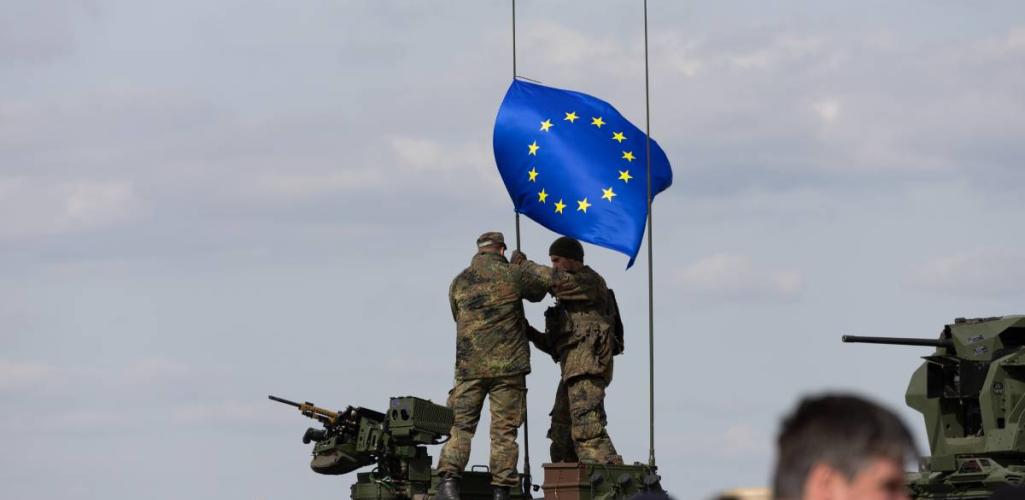
Readiness 2030 is one of the most significant strategic defence initiatives in recent European Union history, a blueprint designed to transform Europe’s military capabilities, industrial strength, and strategic autonomy by the end of the decade.
With rising geopolitical tensions, particularly due to Russia’s war in Ukraine and uncertainties about future US military support, the European Union has embarked on a landmark effort to ensure the continent’s security preparedness. This initiative aims to mobilise hundreds of billions of euros, boost defence production, and build an integrated and resilient European Defence Industrial and Technological Base (EDTIB).
What Is Readiness 2030?
Readiness 2030 (originally proposed as the ReArm Europe Plan) is a comprehensive EU strategic defence initiative aimed at enhancing military preparedness, closing critical capability gaps, and strengthening European defence industry resilience by the year 2030.
It reflects a shift in European security thinking: moving from reliance on external allies to greater self‑sufficiency in defence capabilities. The plan emphasises joint actions, collaborative procurement, and deeper integration of defence industries across member states.
Origins and Background
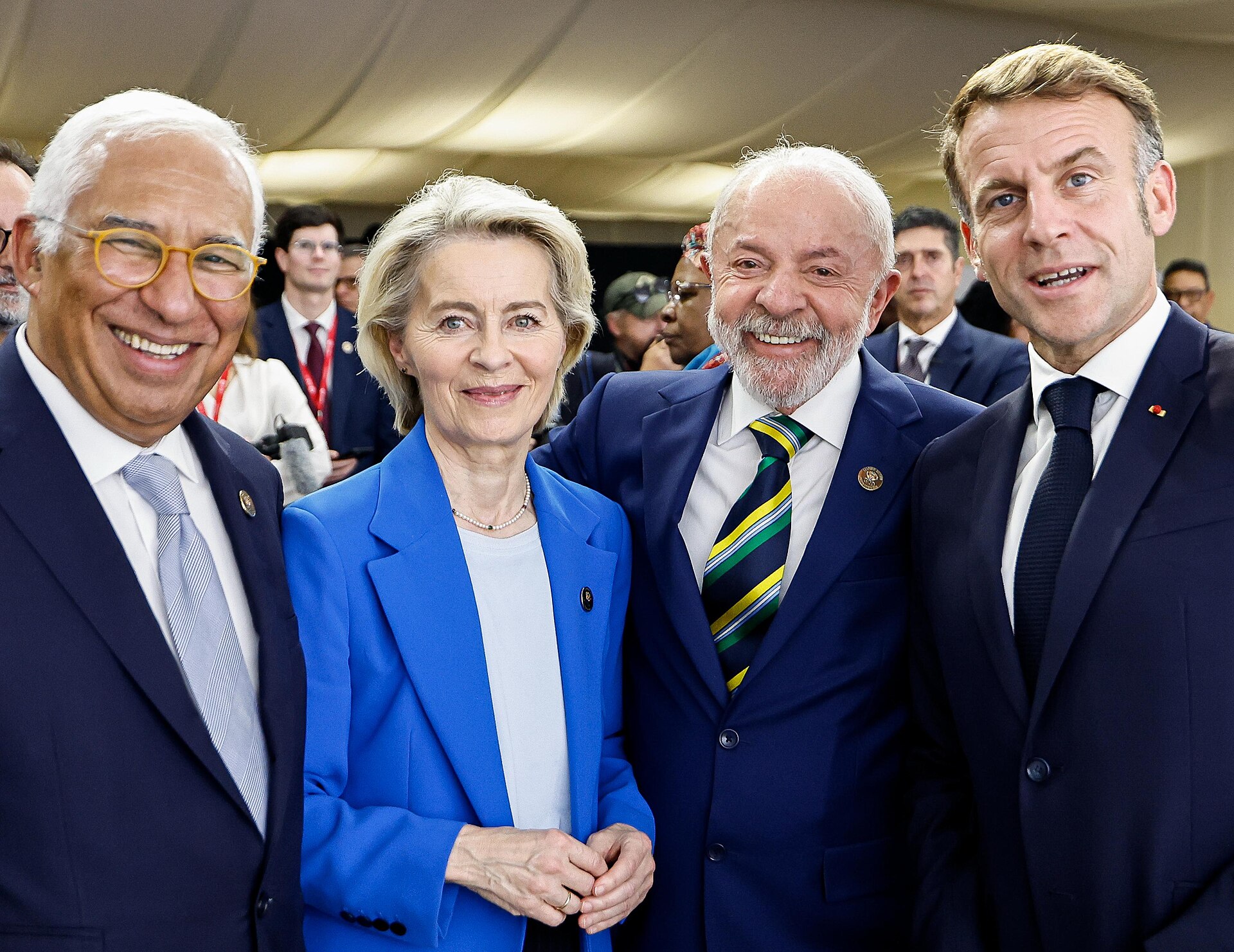
The initiative was announced in early March 2025 by European Commission President Ursula von der Leyen ahead of a European Council meeting. At the time, geopolitical tensions, especially Russia’s ongoing war in Ukraine and doubts about guaranteed future military support from the United States prompted European leaders to rethink defence priorities.
Originally labelled ReArm Europe, the programme was later rebranded as Readiness 2030 following political debates and feedback from member states. Despite the name change, the core ambition remained: to bolster Europe’s defence capabilities and industrial base.
Core Objectives of the Initiative
Readiness 2030 has several primary goals:
- Boost military capabilities across EU member states.
- Strengthen the defence industrial base and supply chains.
- Develop joint procurement systems and collaborative projects.
- Support innovation in cutting‑edge defence technologies.
- Enhance mobility and rapid deployment capabilities.
- Reduce strategic dependencies on external partners.
This approach reflects a broader strategic shift: Europe must be prepared to deter threats independently while remaining complementary to NATO.
Key Components and Strategic Priorities
Strategic Flagship Projects
The Defence Readiness Roadmap 2030 outlines four flagship projects designed to address urgent capability gaps:
- Eastern Flank Watch: Multi‑domain surveillance and defence along the EU’s eastern borders.
- European Drone Defence Initiative: Comprehensive drone and counter‑drone systems.
- European Air Shield: Integrated air and missile defence network.
- European Space Shield: Space‑based infrastructure for defence and early warning systems.
Each project aims to bolster preparedness and interoperability across EU militaries. These flagships will be implemented through joint actions and co‑lead nations among member states.
Capability Coalitions and Military Mobility
The roadmap calls for capability coalitions, groups of member states co‑leading development in areas such as air defence, ground combat, and cyber operations. It also prioritises military mobility to ensure fast movement of troops and equipment throughout the EU.
Defence Industry and Joint Procurement
A central pillar of Readiness 2030 is building a competitive, innovative, and resilient European defence industry. This means:
- Aggregating demand across member states to achieve economies of scale.
- Increasing joint procurement to reduce duplication and costs.
- Simplifying regulations to encourage faster production.
- Strengthening supply chains to avoid critical bottlenecks.
By 2030, the EU aims to ensure that the defence industrial base can deliver required capabilities at speed, a crucial factor if the bloc needs to respond to sudden crises.
Financial Framework and Funding Mechanisms
Readiness 2030 is backed by an ambitious financial strategy designed to unlock up to €800 billion in defence investment over the coming years.
Key financial components include:
- Fiscal Flexibility: Member states can relax EU budget rules to increase defence spending.
- Security Action for Europe (SAFE) Loan Facility: A €150 billion loan mechanism to finance joint procurement of defence systems.
- European Investment Bank (EIB) Support: Broader lending capacity to defence firms.
- Savings and Investments Union: Channels private capital into defence investments.
These measures aim to mobilise both public and private resources, encouraging sustained investment in defence without undermining fiscal stability.
Readiness 2030 and Ukraine
Supporting Ukraine forms an important strategic dimension of the initiative. By integrating Ukrainian defence industry capabilities and innovations, gained through battlefield experience, the EU hopes to strengthen collective defence while helping Kyiv defend itself against aggression.
This cooperation includes direct investments, joint projects, and potential integration of Ukrainian firms into the wider European defence industrial base.
Challenges and Criticism
Despite its ambitions, Readiness 2030 faces several obstacles:
- Political Consensus: Not all member states are equally enthusiastic, and some have concerns about democratic oversight and defence spending triggers.
- Fiscal Capacity: Sustaining high defence investment levels may be difficult for countries with tight budgets.
- Industrial Coordination: Harmonising procurement and production across national defence markets remains complex.
Experts note that the plan’s success will depend heavily on sustained funding, political will, and strong cooperation between EU institutions and member states.
Strategic Importance in a Changing World
Readiness 2030 reflects a broader shift in global security dynamics:
- European Self‑Reliance: A move toward greater defence autonomy in response to changing transatlantic commitments.
- Industrial Strength: A focus on building defence ecosystems that can innovate and produce at scale.
- Geopolitical Significance: Strengthening deterrence against adversaries while complementing NATO capabilities.
As Europe faces multiple geopolitical challenges, from Russia’s aggression to rising global instability, the initiative seeks to ensure the continent is not only prepared for potential conflicts but can also shape peace and stability globally.
Final Thoughts
Readiness 2030 represents a defining moment for European defence. It goes beyond military spending, aiming to reshape how Europe approaches security, industrial cooperation, and strategic autonomy.
By mobilising massive investment, fostering joint defence projects, and strengthening its industrial base, the EU seeks to ensure that it is ready to defend itself and its values in a rapidly evolving geopolitical environment.
In essence, Readiness 2030 is not just a plan, it is a strategic imperative for a Europe that wants to remain secure, resilient, and influential on the global stage.
Sources & Further Reading:
Readiness Roadmap 2030
European defence readiness
Poland: Europe’s New Great Power
EU Sounds Alarm Over US Decisions That Could Trigger Global Security Crisis

Ethan Brooks is a journalist with over 11 years of experience, specializing in finance, politics, and breaking news. He delivers timely, accurate reporting on market trends, economic developments, and major political events, helping readers stay informed on the stories that matter most.