
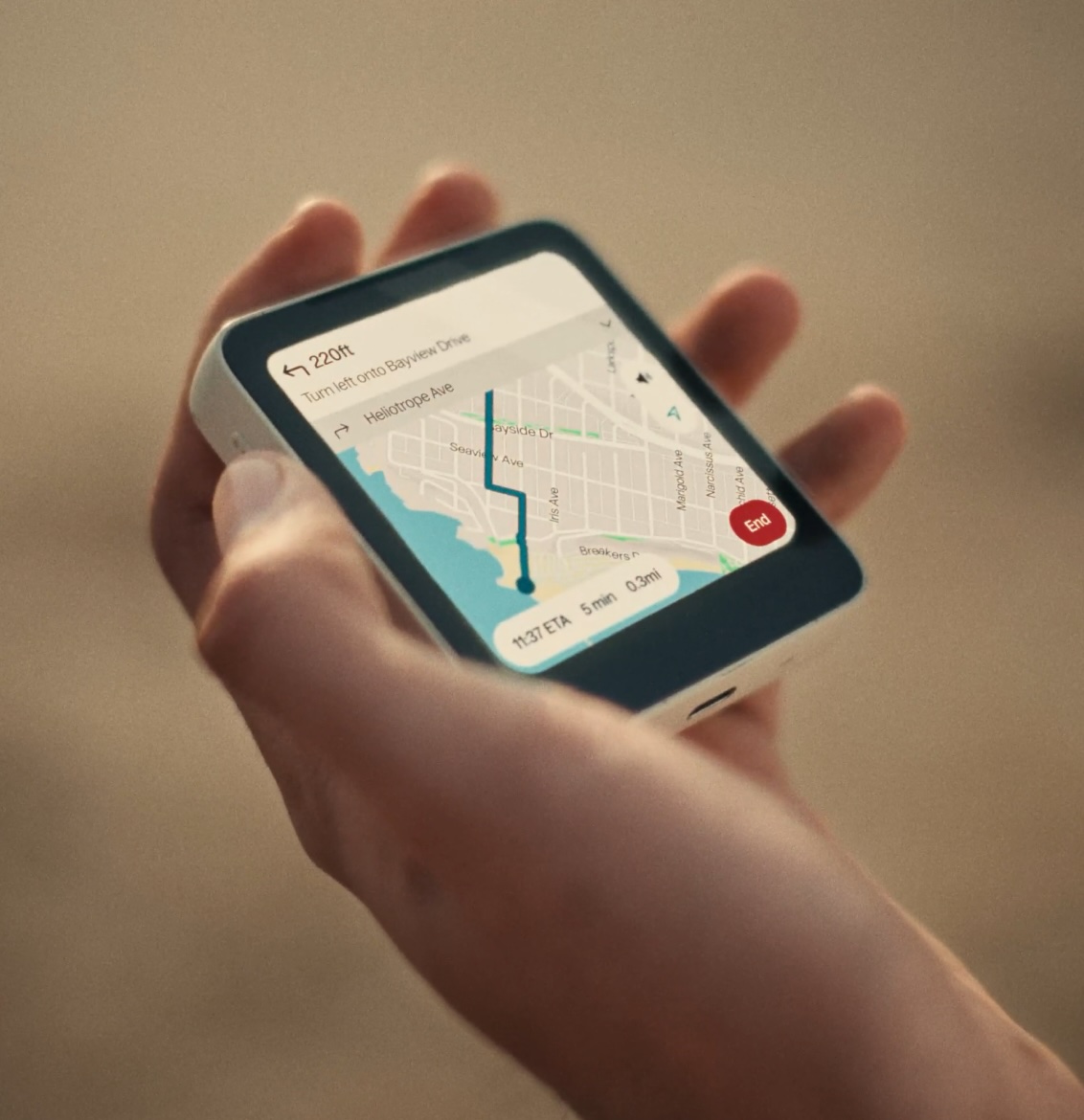
In an era defined by apps that vie for every second of attention, The Meadow, an ultra‑compact smartphone that intentionally leaves out mainstream web browsing, social media, and email functions is poised to upend traditional mobile ecosystems. The device, developed by Meadow SF, Inc. will be available for pre‑order now with deliveries expected to begin this June 2026 in the United States.
Unlike contemporary smartphones that bundle thousands of apps and full internet access, The Meadow strips the experience back to essentials such as maps, navigation, messaging from trusted contacts, music streaming and utilities. It deliberately omits anything perceived as attention‑draining, including traditional email clients, web browsers and social media platforms, a bold move in the crowded mobile market.
A Smartphone or a Digital Minimalist Tool?
At first glance, The Meadow looks like a typical smartphone alongside devices from Apple or Samsung. But its mission is sharply different: reduce digital distractions while preserving core functionalities that many users depend on daily. As Meadow’s promotional materials emphasize, the goal is not total disconnection, but a simplified, focused digital existence.
At its core:
- No web browser;
- No social media apps;
- No traditional email client;
- No app store for general installs.
Instead, users gain access to a curated app selection that includes navigation tools, a camera, music streaming integrations (for services such as Apple Music and Spotify), Uber ride‑booking, podcasts, audiobooks, notes, weather and fitness apps.
This philosophy echoes earlier minimalist phones like the Light Phone II and Light Phone III, which also deliberately removed browsers and app stores to encourage lower screen time. However, The Meadow pushes the concept further by preserving connectivity in a compact form while still offering select modern conveniences.
Design and Specifications
The Meadow is designed around a 3‑inch touchscreen, making it significantly smaller than the average flagship smartphone. The compact footprint, often compared to older MP3 players, helps emphasize function over entertainment or endless browsing.
Key hardware features include:
- A 3‑inch display;
- 6 GB RAM and 128 GB internal storage;
- 13‑megapixel ultra‑wide camera;
- Standalone applications such as navigation and music streaming;
- Battery life rated at 1–2 days depending on usage patterns.
The hardware is intentionally modest by modern flagship standards. Meadow SF has not disclosed the specific chipset used in the device, focusing instead on the user experience shaped by restriction rather than raw performance.
Connectivity and Digital Experience
Rather than acting as a full replacement to a dedicated smartphone, The Meadow positions itself as a companion device. Users are assigned a phone number that routes select messages and calls based on a whitelist of up to 12 trusted contacts, cutting out spam and non‑essential interruptions.
Mobile data tethering on the move is supported through a subscription plan, a model that distances itself from carrier contracts but introduces ongoing costs. The initial purchase includes nine months of service, after which users pay around $10 per month for mobile internet and related services.
This model echoes other minimalist phone attempts that sought digital detox experiences by sacrificing breadth for focus. Devices such as Light Phone II practiced this philosophy earlier, offering very limited tool lists without general browsing or external app support.
Market Reaction and Community Response
Online tech communities have been quick to weigh in on The Meadow’s launch. On platforms like Reddit, some users argue that the device’s restrictions are better handled through software settings on mainstream phones, such as screen time controls and app blockers, rather than specialized hardware, especially given Meadow’s relatively high price tag. Others point out that minimal usage can already be achieved on Android or iOS by disabling unwanted apps.
Still, The Meadow has its supporters. Some early commentators see a niche appeal for users seeking separation from high‑intensity digital life, similar to why products like the Light Phone gained traction among digital minimalists. A subset of users also believes such devices could appeal to parents regulating youth exposure to internet services.
However, critics on social platforms have called the pricing, $399 USD at pre‑order, rising to $449 at retail, steep given the limited feature set, arguing that cheaper options already exist in budget smartphone segments.
Price and Availability
The Meadow is currently open for pre‑orders. The company’s official website, https://meadow.so handles order processing, with an expected start of deliveries in June 2026 for customers in the U.S. The subscription plan for mobile connectivity becomes a key part of the long‑term user model.
While there are no announced plans for global availability at this stage, tech observers suggest that Meadow’s future expansions could depend heavily on early U.S. customer adoption and feedback, particularly given the competitive nature of smartphone markets worldwide.
What The Meadow Means for the Future of Mobile Tech
The Meadow enters a market where digital distraction and smartphone addiction are increasingly discussed in cultural and academic contexts. With users spending hours on social networks and web browsing every day, devices like The Meadow represent a counter‑trend, intentionally limited, productivity‑oriented technology that reinforces intentional usage over passive consumption.
Whether this minimalist approach becomes a sustainable segment or remains niche will depend on how deeply consumers value focus over function. If The Meadow proves successful, it might inspire similar devices that carefully balance utility with digital restraint.
Continue Reading:
- U.S. Insolvent? Treasury Financials Reveal Massive Liabilities Experts Say
- OpenAI Shuts Down Sora Video Platform
- Russia Scales Up Disinformation Operations with AI: What You Need to Know

Ethan Brooks is a journalist with over 11 years of experience, specializing in finance, politics, and breaking news. He delivers timely, accurate reporting on market trends, economic developments, and major political events, helping readers stay informed on the stories that matter most.