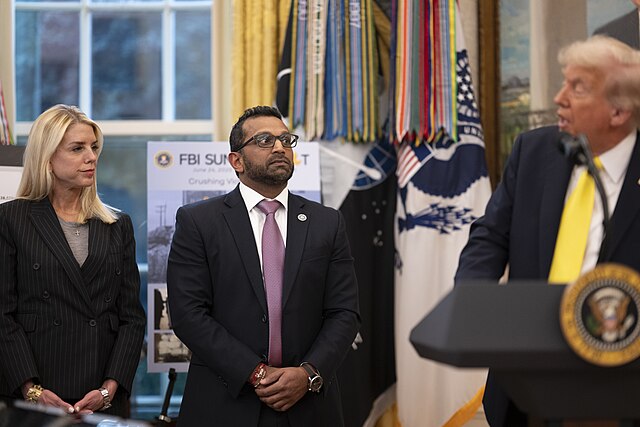
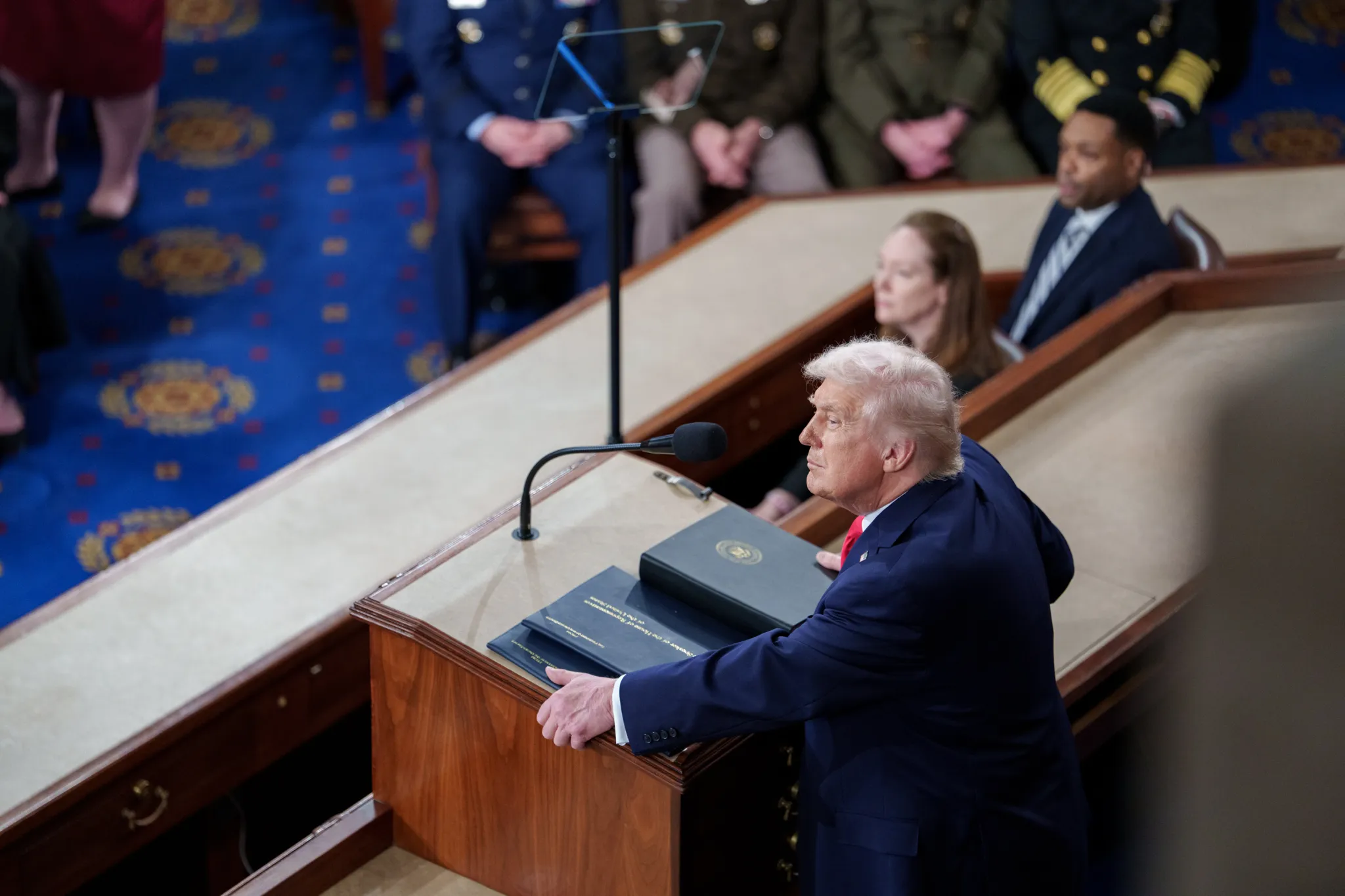
In a dramatic primetime address on April 1, 2026, U.S. President Donald Trump delivered a forceful message to the American public, signaling a major escalation in the ongoing conflict with Iran. Speaking from the White House, Trump warned that the United States is prepared to intensify military action in the coming weeks, using some of his strongest rhetoric yet.
Trump’s Warning: “Extremely Hard” Military Action Ahead
During the nationally televised speech, Trump made clear that further strikes are imminent, stating:
“We are going to hit them extremely hard over the next two to three weeks.”
He went even further, adding a controversial and widely reported remark:
“We are going to bring them back to the Stone Ages.”
The comments mark a sharp escalation in tone, even amid an already intense military campaign that began earlier this year. The address represents Trump’s first direct appeal to the nation since the conflict entered its most aggressive phase.
A War Nearing Completion or Expanding Further?
Despite the aggressive rhetoric, Trump simultaneously suggested that the military operation is nearing its objectives. According to his remarks, U.S. forces have already dealt significant damage to Iran’s military infrastructure, including its naval and missile capabilities.
He framed the campaign as both necessary and effective, arguing that it is preventing future threats to the United States and its allies. In earlier statements tied to the conflict, Trump described the mission as essential to “defend the American people” and eliminate threats posed by the Iranian regime.
However, the president stopped short of providing a clear timeline for the end of hostilities, leaving open the possibility of continued escalation if Iran fails to meet U.S. demands.
Strategic Justification and Political Messaging
In his address, Trump attempted to justify the ongoing military campaign as a long-term investment in global security. He portrayed the conflict as a necessary step to neutralize Iran’s nuclear ambitions and regional influence.
Reports indicate that Trump described the war as an “investment” in the safety of future generations, reinforcing his administration’s long-standing stance against Iran’s government.
At the same time, the speech carried a strong domestic political tone. Trump sought to reassure Americans amid rising economic concerns, particularly surging oil prices and market volatility triggered by the conflict.
Still, critics argue that the address lacked clarity on key issues, including the ultimate objectives of the war and the conditions required for de-escalation.
Global Impact and Rising Tensions
The implications of Trump’s speech were felt almost immediately across global markets and diplomatic circles.
Global oil prices surged sharply in the hours following Donald Trump’s address, as markets reacted to the heightened risk of a prolonged and more aggressive conflict with Iran. Traders pushed crude futures higher amid fears that military escalation could disrupt supply routes, particularly through the strategically vital Strait of Hormuz, where a significant portion of the world’s oil passes daily.
The uncertainty triggered a ripple effect across global markets, with energy stocks rising while broader indices showed volatility. According to energy analysts Priyanka Sachdeva and Claudio Galimberti, interviews by Reuters, if tensions continue to intensify, oil prices could remain elevated or climb further, putting additional pressure on inflation and fuel costs worldwide.
The conflict, which began in late February 2026, has already resulted in significant casualties and widespread instability across the region. Thousands have reportedly been killed, and tensions involving neighboring countries continue to rise.
The Strait of Hormuz, a critical global oil transit route, remains a key strategic concern, with ongoing disruptions affecting international energy markets.
No Clear End in Sight
While Trump emphasized military success, analysts and critics remain skeptical about whether the core objectives, particularly preventing Iran from developing nuclear weapons, have been fully achieved.
Reports by The Guardian, suggest that Iran still retains some nuclear capabilities, potentially hidden in underground facilities, raising questions about the long-term effectiveness of the campaign.
Additionally, despite targeted strikes against leadership figures, Iran’s political structure remains intact, now led by even more hardline officials.
This has fueled concerns that continued military pressure could further destabilize the region rather than resolve the conflict.
Mixed Reactions at Home and Abroad
Domestically, reactions to Trump’s address have been divided. Supporters argue that strong military action is necessary to counter Iran’s influence and ensure U.S. security. Critics, however, warn that the administration’s approach risks dragging the United States into a prolonged and costly conflict.
Fact-checkers have also raised concerns about several claims made during the speech, particularly regarding economic conditions and the status of Iran’s leadership.
Internationally, allies and adversaries alike are closely monitoring the situation, with many urging restraint and renewed diplomatic efforts.
Photo by Daniel Torok / The White House (2026)
Continue Reading:
Trump Ally Warns U.S. Faces “Total Disaster” if Iran War Escalates
Pentagon Looks at Potential Weeks‑Long Ground Operations in Iran
U.S. Insolvent? Treasury Financials Reveal Massive Liabilities Experts Say

Ethan Brooks is a journalist with over 11 years of experience, specializing in finance, politics, and breaking news. He delivers timely, accurate reporting on market trends, economic developments, and major political events, helping readers stay informed on the stories that matter most.