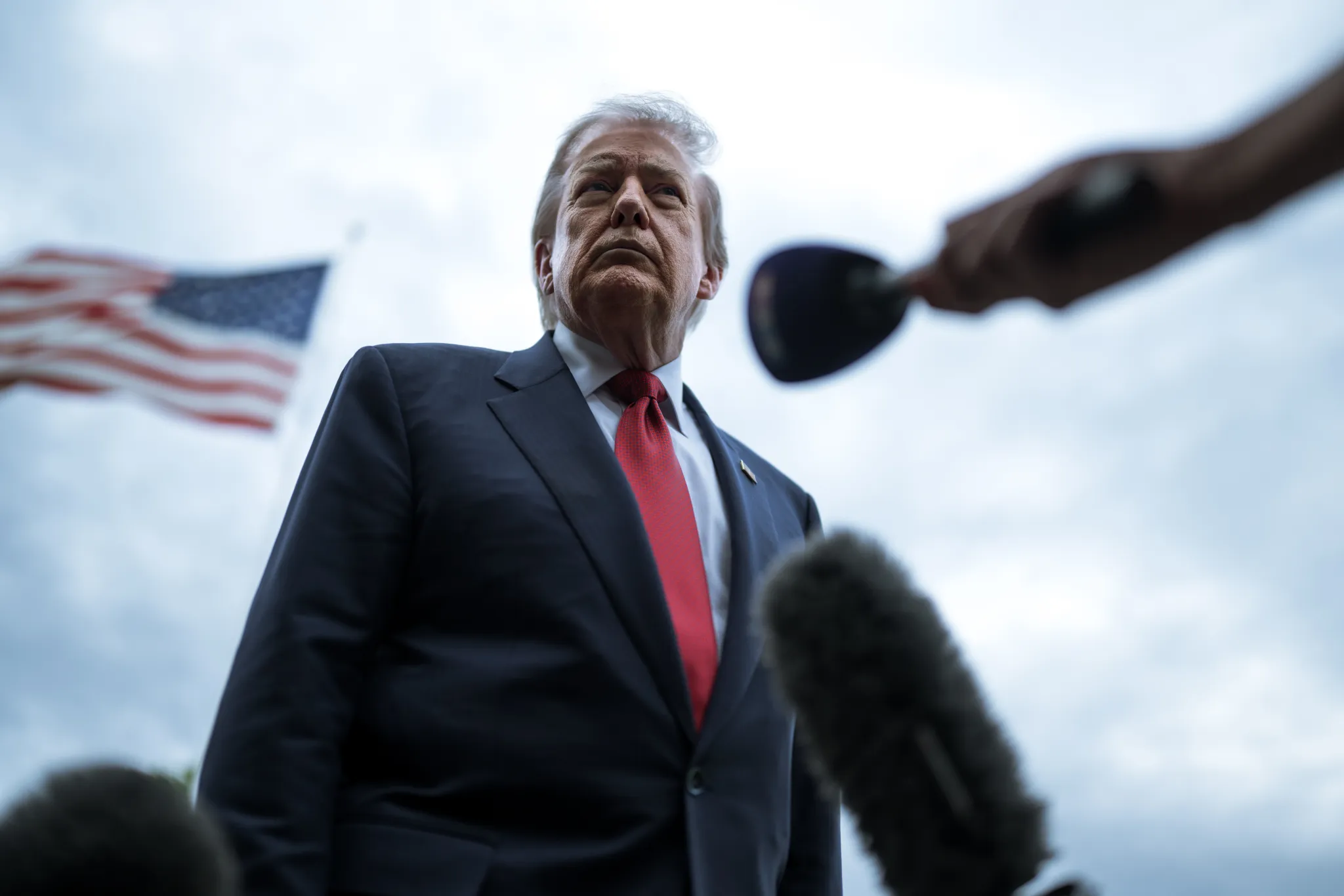
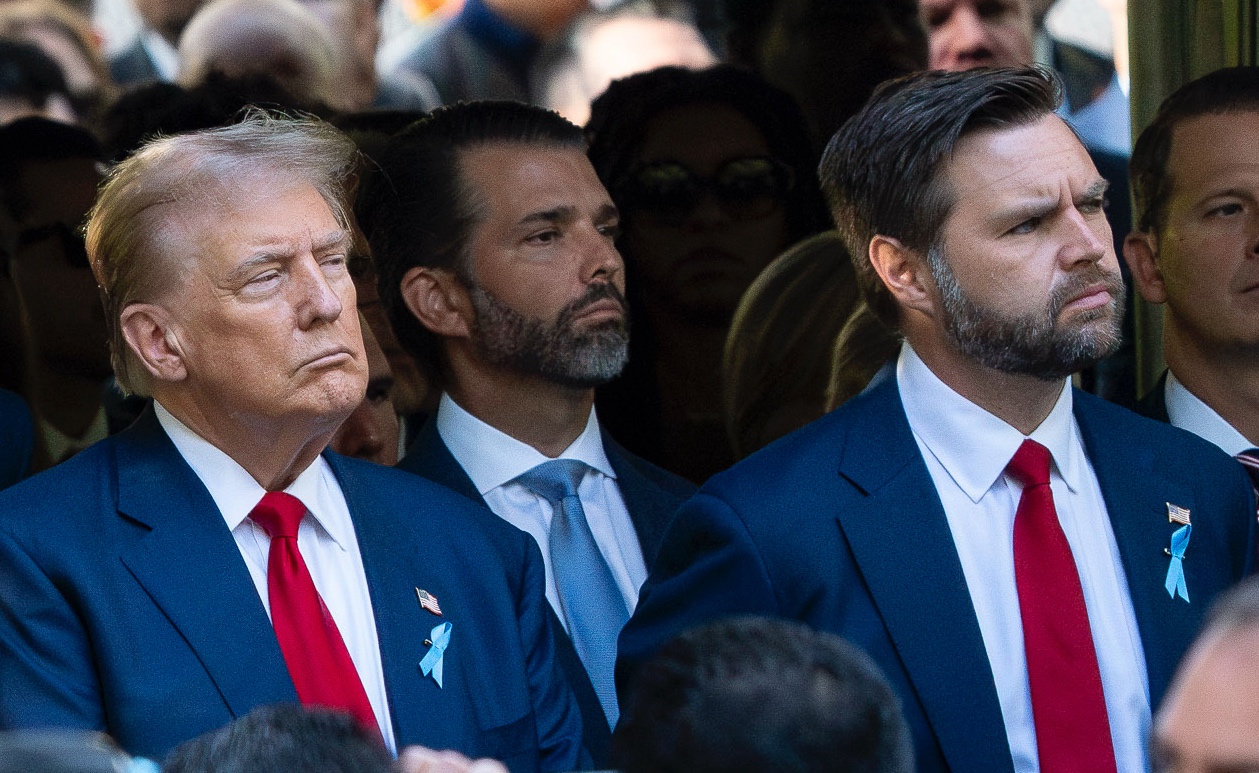
The Trump administration has sparked a major political and religious controversy after canceling an $11 million federal contract with Catholic Charities of the Archdiocese of Miami. The funding cut comes at a sensitive moment, as tensions between President Donald Trump and Pope Leo XIV continue to escalate over immigration policy, war rhetoric, and the role of religion in politics.
The decision has triggered widespread criticism from church leaders, humanitarian advocates, and political analysts who see the move as part of a broader confrontation between the White House and the Vatican leadership.
According to Newsmax report, the contract supported long-standing programs that provide housing, care, and trauma services for unaccompanied migrant children entering the United States.
What the $11 Million Catholic Charities Contract Covered
The canceled funding was part of a federal partnership administered through the Office of Refugee Resettlement (ORR), under the U.S. Department of Health and Human Services (HHS). For decades, Catholic Charities of the Archdiocese of Miami has worked with the federal government to operate shelters and foster care systems for migrant minors who arrive without parents or guardians.
These programs include:
- Emergency housing for unaccompanied minors;
- Foster placement services;
- Trauma counseling and psychological support;
- Family reunification assistance;
- Long-term case management services.
The Archdiocese of Miami has operated similar services for more than 60 years, including historic efforts dating back to Cuban child migration programs in the 1960s.
The termination of this contract is expected to significantly reduce operational capacity, and officials warn that a long-running child protection system may shut down within months.
Why the Trump Administration Ended the Contract
The White House has defended the cancellation by pointing to a dramatic decline in unaccompanied migrant children entering federal custody. Officials claim that demand for large-scale shelter services has dropped significantly, making the contract unnecessary.
Government data cited in reports shows that the number of unaccompanied minors in custody has fallen to around 1,900 daily under the current administration, compared to a peak of more than 22,000 during previous years.
Administration officials argue that the government is restructuring refugee and migrant care systems to reduce costs and eliminate unused facilities.
However, critics strongly dispute this justification, arguing that reduced numbers do not justify eliminating an established humanitarian network that has been active for decades.
The Pope-Trump Feud: The Political Backdrop
The contract cancellation is unfolding amid a growing feud between President Trump and Pope Leo XIV, the first American-born pontiff in history.
Tensions reportedly intensified after Pope Leo XIV criticized global leaders, including the United States, for prioritizing military spending over humanitarian needs and for justifying violence through religious language.
The Pope has publicly condemned rising geopolitical conflicts, including the war involving Iran, and has urged world leaders to prioritize peace and diplomacy.
In response, Trump has reportedly criticized the Pope’s statements and accused him of interfering in political matters. The dispute has escalated into one of the most unusual public conflicts between a sitting U.S. president and the head of the Catholic Church in modern history.
According to The Washington Post, experts describe the confrontation as “unprecedented” warning that it could strain long-standing relationships between the U.S. government and Catholic institutions worldwide.
Catholic Leaders Respond: “Baffling and Harmful”
Archbishop Thomas Wenski of Miami has been one of the most vocal critics of the decision. He described the cancellation as “baffling,” especially given the charity’s long history of effective service.
He emphasized that Catholic Charities programs have been recognized for excellence in caring for vulnerable children and have served as a model for similar agencies nationwide.
Church leaders argue that the decision undermines decades of collaboration between the federal government and religious organizations in addressing humanitarian crises.
Some officials also warn that the closure could create serious emotional and psychological harm for migrant children who have already endured traumatic journeys across borders.

Humanitarian Impact: What Happens to Migrant Children Now?
One of the most immediate concerns is the future of unaccompanied minors currently under Catholic Charities care.
If the program shuts down:
- Children may be relocated to other federal facilities;
- Case continuity could be disrupted;
- Trauma counseling may be interrupted;
- Family reunification processes could slow down;
- Smaller agencies may become overwhelmed.
Experts in child welfare warn that instability in care systems can significantly worsen long-term outcomes for vulnerable minors, particularly those who have experienced displacement, violence, or family separation.
Advocacy groups argue that replacing a long-established system will be difficult and potentially more expensive in the long run.
Legal and Constitutional Debate Emerging
The funding cut has also sparked legal debate in the United States.
Some legal experts argue that terminating funding to a religiously affiliated humanitarian organization amid a political dispute could raise constitutional concerns under the First Amendment. Others argue it is a standard administrative decision tied to budget and policy changes.
The central question is whether the decision is a neutral policy adjustment or a politically motivated action targeting a religious institution because of its leadership’s criticism of government policy.
This issue is likely to be examined further if legal challenges emerge in the coming months.
Conclusion: A Clash That Goes Beyond Politics
The cancellation of the $11 million Catholic Charities contract represents more than just a budget decision, it reflects a deeper intersection of politics, religion, and humanitarian policy in the United States.
As tensions between the Trump administration and Pope Leo XIV continue to rise, the consequences are beginning to extend beyond rhetoric and into real-world institutions that serve vulnerable populations.
Whether this move is ultimately seen as a fiscal policy adjustment or a politically motivated action will depend on future investigations, legal scrutiny, and the evolving relationship between Washington and the Vatican.
For more political reporting and in-depth analysis, visit the Politics section at bdesk.news.
Continue reading:
Pentagon Prepares for Military Operation in Cuba
House Democrats Introduce Six Articles of Impeachment Against Defense Secretary Pete Hegseth

Michaela Reeds is an investigative journalist and reporter with a focus on politics, science, and technology. She brings clarity to complex issues, translating policy developments, scientific breakthroughs, and technological innovations into compelling stories for a broad audience. She is known for her dedication to accuracy, transparency, and in‑depth reporting.