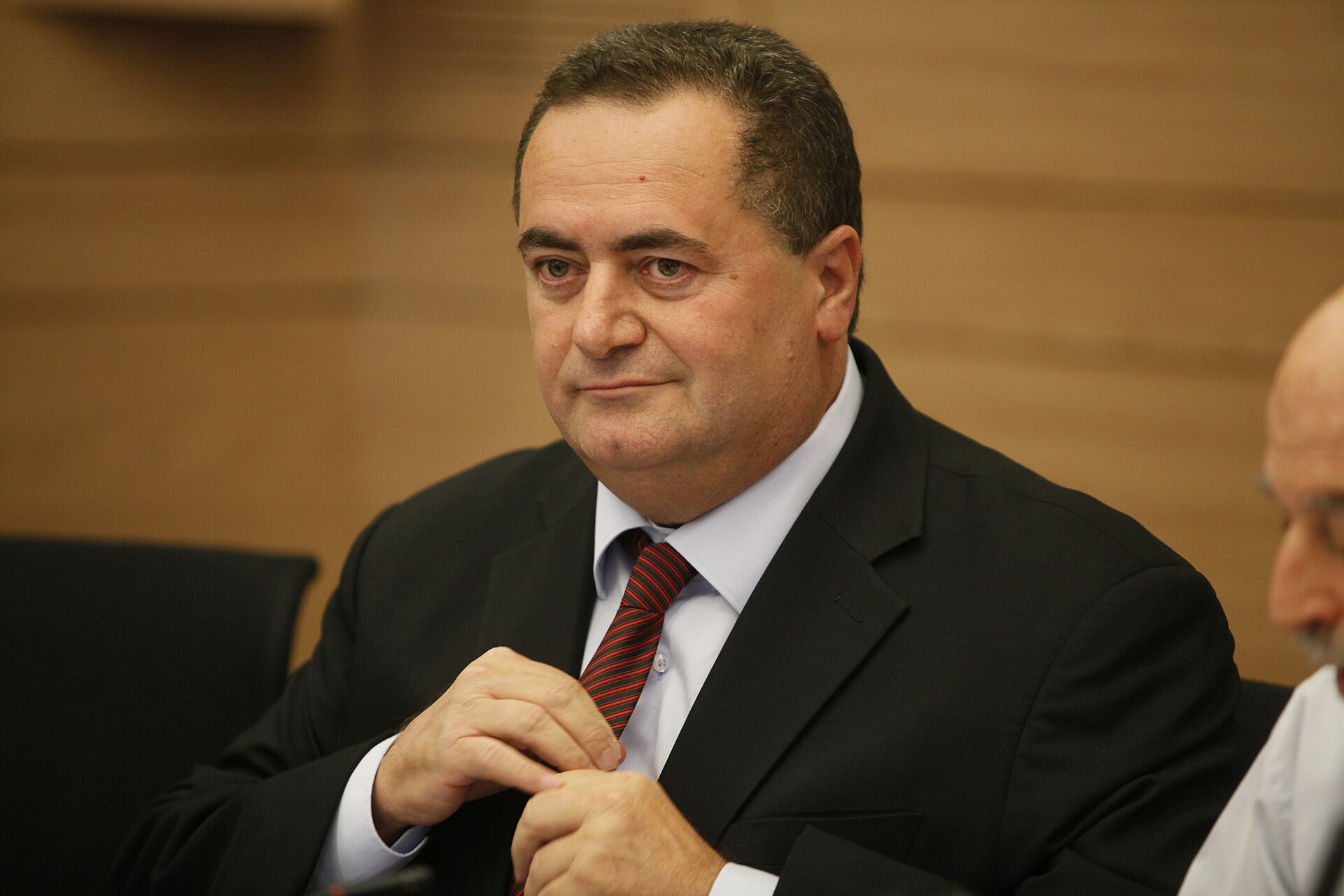
Israel’s defense leadership has issued one of its strongest warnings yet against Iran, with Israeli Defense Minister Israel Katz declaring that Israel is prepared to launch a new phase of military operations aimed at crippling Iran’s infrastructure if it receives approval from the United States.
The remarks, delivered during a security assessment with senior Israeli military officials, have intensified fears of a wider regional war in the Middle East and raised questions about how far Washington may be willing to support further escalation against Tehran.
According to Euronews, Katz said Israel was “prepared to resume the war against Iran” and was waiting for a “green light” from the United States before carrying out deeper strikes targeting Iran’s energy systems and economic infrastructure.
Israeli Threats Mark Sharp Escalation
In his statement, Katz claimed that the Israeli military had already identified strategic targets inside Iran and was prepared for both defensive and offensive operations.
According to The Times of Israel, Katz said Israel wanted authorization from Washington to “complete the elimination” of Iran’s ruling leadership structure and attack key infrastructure facilities.
The Israeli minister also threatened to push Iran “to the age of darkness and stone” through attacks on energy grids, electricity systems, and economic infrastructure, language that has drawn sharp international criticism for its severity.
The comments come after months of escalating military confrontation between Israel and Iran, including missile exchanges, cyberattacks, and coordinated strikes linked to regional proxy conflicts.
Background of the Israel-Iran Conflict
Hostility between Israel and Iran has intensified dramatically over the past decade, driven by disputes over Iran’s nuclear program, Tehran’s support for armed groups across the Middle East, and repeated Israeli accusations that Iran poses an existential threat to the Jewish state.
Israel has repeatedly warned that it will not allow Iran to develop nuclear weapons capabilities. Iranian officials, meanwhile, continue to insist that their nuclear activities are for peaceful civilian purposes.
The conflict has already caused significant casualties across the region and disrupted global markets, particularly energy markets sensitive to instability in the Persian Gulf.
United States Holds Key Role
Katz’s comments highlight the critical role of the United States in determining whether the conflict escalates further.
Israel remains heavily dependent on American military and diplomatic backing. Any major Israeli offensive against Iran’s core infrastructure would likely require at least indirect U.S. approval due to the enormous regional consequences such action could trigger.
According to The Wall Street Journal, Israeli officials are reportedly seeking American support for operations targeting Iranian leadership figures and strategic energy infrastructure.
So far, the White House has not publicly confirmed whether it would support renewed offensive operations against Iran.
However, analysts say Washington faces a difficult balancing act. Supporting Israel too aggressively risks igniting a broader regional war involving Iran-backed militias across Iraq, Lebanon, Syria, and Yemen. On the other hand, refusing Israeli requests could create tensions between the two allies during a highly volatile security crisis.
Global Concerns Over Regional Stability
International observers fear that further attacks on Iran’s infrastructure could destabilize the entire Middle East and severely impact the global economy.
Iran controls strategic access near the Strait of Hormuz, one of the world’s most important oil shipping routes. Any major escalation involving attacks on Iranian infrastructure could threaten global oil supplies and trigger major spikes in energy prices.
Military experts also warn that attacks targeting civilian infrastructure such as electricity systems could worsen humanitarian conditions inside Iran and potentially trigger wider instability throughout the region.
Reactions Growing Online
The rhetoric used by Israeli officials has sparked heated international debate online and among geopolitical analysts.
On Reddit’s geopolitics community, several users expressed fears that further escalation could push Iran toward state collapse and trigger a wider refugee crisis across neighboring countries and Europe. Others argued that continued military escalation risks creating long-term instability similar to conflicts seen in Iraq and Syria.
While online reactions do not represent official policy positions, they reflect growing global concern about the direction of the conflict.
Read More: Trump Reports Daily to Netanyahu on Iran, but Not to Congress or the American People
What Happens Next
For now, it remains unclear whether the United States will authorize or support a broader Israeli military campaign against Iran.
Diplomatic negotiations involving Tehran and Washington remain fragile, and international pressure for de-escalation continues to grow.
Still, Katz’s statements suggest that Israeli military planners are actively preparing for the possibility of another large-scale confrontation.
As tensions continue rising, the risk of a broader regional war remains one of the biggest geopolitical threats facing the world in 2026.
Image: Itzhak Harari / Knesset Archives / CC BY-SA 4.0
For more political reporting and in-depth analysis, visit the Politics section at bdesk.news.

Ethan R. Brooks is a journalist with over 11 years of experience, specializing in finance, politics, and breaking news. He delivers timely, accurate reporting on market trends, economic developments, and major political events, helping readers stay informed on the stories that matter most.