

A Florida physician has been indicted on a second-degree manslaughter charge after prosecutors allege he removed a patient’s liver instead of the spleen during a 2024 surgical procedure, a catastrophic medical error that resulted in the patient’s death on the operating table.
The case, which only became public following a grand jury indictment in April 2026, has drawn national attention due to the severity of the alleged mistake and the unusually long investigation that followed the fatal surgery.
The Patient and the Planned Surgery
According to official statements from law enforcement and reports by outlets such as CBS News, the patient, William Bryan, a 70-year-old man from Alabama, was admitted to Ascension Sacred Heart Emerald Coast Hospital in Florida in August 2024.
Bryan was reportedly suffering from severe abdominal pain. After evaluation, medical staff suspected a condition affecting his spleen, and a surgical removal procedure, a laparoscopic splenectomy, was recommended.
A splenectomy is a relatively common abdominal surgery performed when the spleen is damaged, diseased, or at risk of rupture. The spleen is located in the upper left abdomen and plays a role in filtering blood and supporting immune function.
However, prosecutors allege that what was intended to be a routine procedure ended in a fatal and highly unusual surgical mistake.
The Alleged Surgical Error
On August 21, 2024, during the operation, the surgeon allegedly removed the patient’s liver instead of the spleen.
The liver is one of the largest and most vital organs in the human body, responsible for detoxification, metabolism, and blood regulation. It is anatomically located in the upper right side of the abdomen, making the alleged error medically significant and difficult to reconcile under normal surgical conditions.
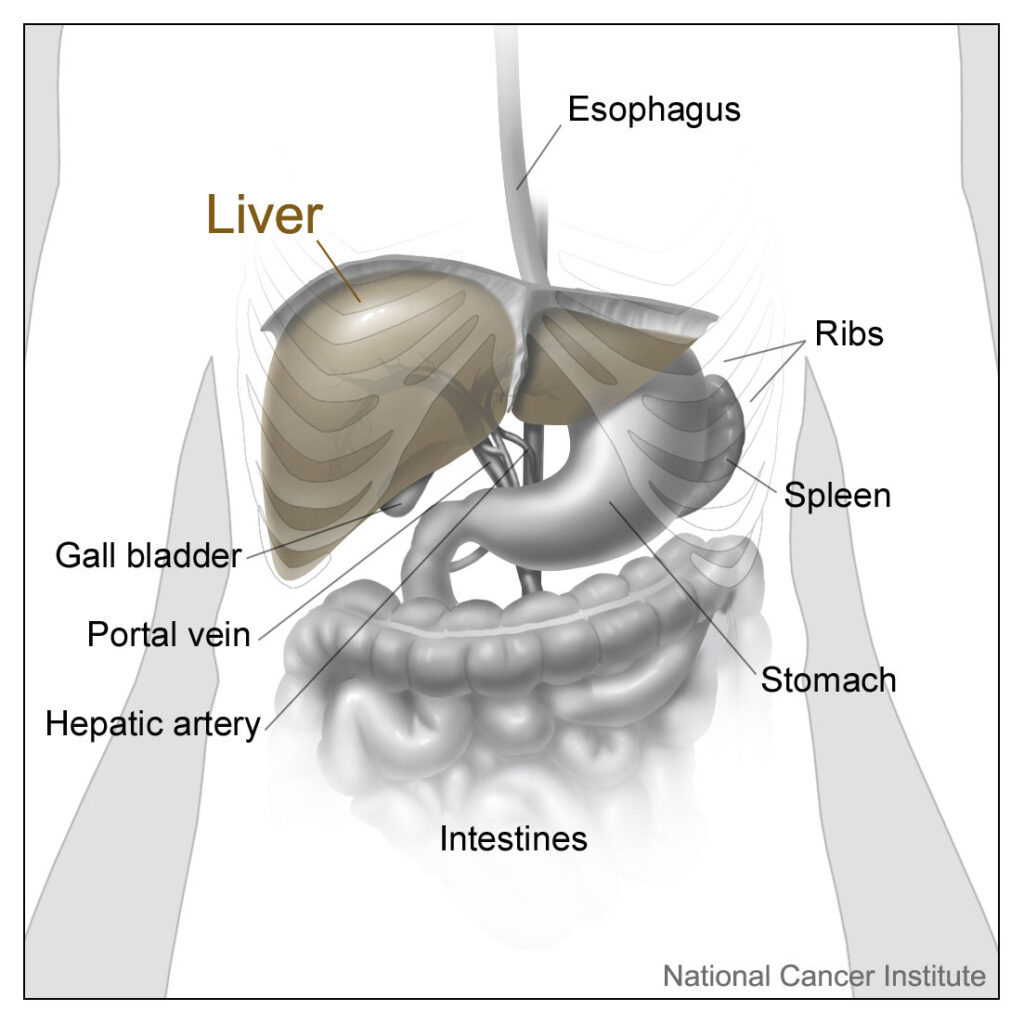
According to investigators, the removal of the liver caused catastrophic internal bleeding and immediate physiological collapse.
Despite emergency efforts by the surgical team, the patient could not be revived and was pronounced dead on the operating table.
Medical experts reviewing the case later described the blood loss as consistent with major organ trauma, not complications associated with a splenectomy.
Conflicting Explanation After Surgery
Following the patient’s death, the surgeon reportedly provided a different explanation for the fatal outcome.
According to court records and investigative summaries referenced by multiple news organizations, the surgeon attributed the death to a ruptured splenic artery aneurysm, a vascular condition affecting blood flow near the spleen.
However, this explanation later came under scrutiny.
An autopsy and independent medical review allegedly found that the spleen remained in place, while the liver had been removed, directly contradicting the surgeon’s account of what occurred during the procedure.
This discrepancy became one of the key factors that prompted deeper investigation into the case.
Investigation and Medical Review (2024–2025)
Following the death in August 2024, the case triggered both internal hospital review procedures and a broader investigation by Florida authorities.
Over the course of 2024 and 2025, investigators reviewed:
- surgical reports and operative notes;
- pathology and autopsy findings;
- hospital staffing conditions during the procedure;
- testimony from medical personnel present in the operating room.
Medical experts were brought in to determine whether the incident was the result of a rare anatomical misidentification, procedural negligence, or systemic failures in surgical protocol.
During this period, regulatory bodies also reviewed the surgeon’s medical licensing history. Reports indicate that concerns had been previously raised about surgical outcomes in other cases, though full details have not been publicly released in court filings.
Hospitals and licensing authorities in multiple jurisdictions reportedly took precautionary action affecting the doctor’s ability to practice medicine while the investigation continued.
Grand Jury Indictment in 2026
On April 14, 2026, after nearly two years of investigation, a Walton County grand jury formally indicted the physician on a charge of second-degree manslaughter.
Prosecutors allege that the surgeon’s actions constituted criminal negligence that directly led to the patient’s death.
Shortly after the indictment, the doctor was arrested in Florida and taken into custody by law enforcement authorities.
Officials confirmed that the case was presented to the grand jury after extensive review of medical evidence, expert analysis, and witness testimony.
A spokesperson for the sheriff’s office stated that the indictment reflects the conclusion that the case met the legal threshold for criminal prosecution, though guilt has not been established in court.
What Second-Degree Manslaughter Means
Under Florida law, second-degree manslaughter generally refers to a death caused by culpable negligence, behavior that shows a reckless disregard for human life or safety.
It does not require intent to kill, but it does require a level of carelessness beyond ordinary medical error.
If convicted, the doctor could face up to 15 years in prison, along with significant fines and permanent revocation of medical licensure.
Legal experts note that criminal charges in medical cases are relatively rare, as most surgical errors are handled through civil malpractice lawsuits rather than criminal prosecution.
This makes the present case particularly unusual and closely watched.
Hospital Response and Accountability Questions
Ascension Sacred Heart Emerald Coast Hospital stated that the physician was not a direct employee of the hospital and had not been practicing there since the incident occurred.
The hospital issued condolences to the family and emphasized its commitment to patient safety and clinical oversight.
The case has raised broader questions about:
- how visiting or contracted surgeons are credentialed;
- whether supervision and verification procedures were properly followed;
- how operating room protocols are enforced in high-risk surgeries.
Healthcare safety experts say such incidents, while rare, often lead to policy reviews and procedural reforms.
Why This Case Is Getting National Attention
Wrong-organ removal is considered one of the most severe categories of preventable surgical error in modern medicine.
Although modern surgical systems include multiple safeguards, such as pre-operation checklists, imaging confirmation, and team verification protocols, breakdowns in communication or procedure can still lead to catastrophic outcomes.
Experts emphasize that cases like this are extremely rare but have outsized impact due to their severity and public concern.
The case has also reignited debate over whether the U.S. healthcare system should impose stricter oversight on surgical accountability and credentialing processes.
For more society news and cultural reporting, visit the Society section at bdesk.news.
Continue Reading:
International Day of Human Space Flight: Celebrating Yuri Gagarin’s Historic Milestone on April 12
Tiger Woods Arrested After Florida DUI Crash – Timeline of Events

Michaela Reeds is an investigative journalist and reporter with a focus on politics, science, and technology. She brings clarity to complex issues, translating policy developments, scientific breakthroughs, and technological innovations into compelling stories for a broad audience. She is known for her dedication to accuracy, transparency, and in‑depth reporting.