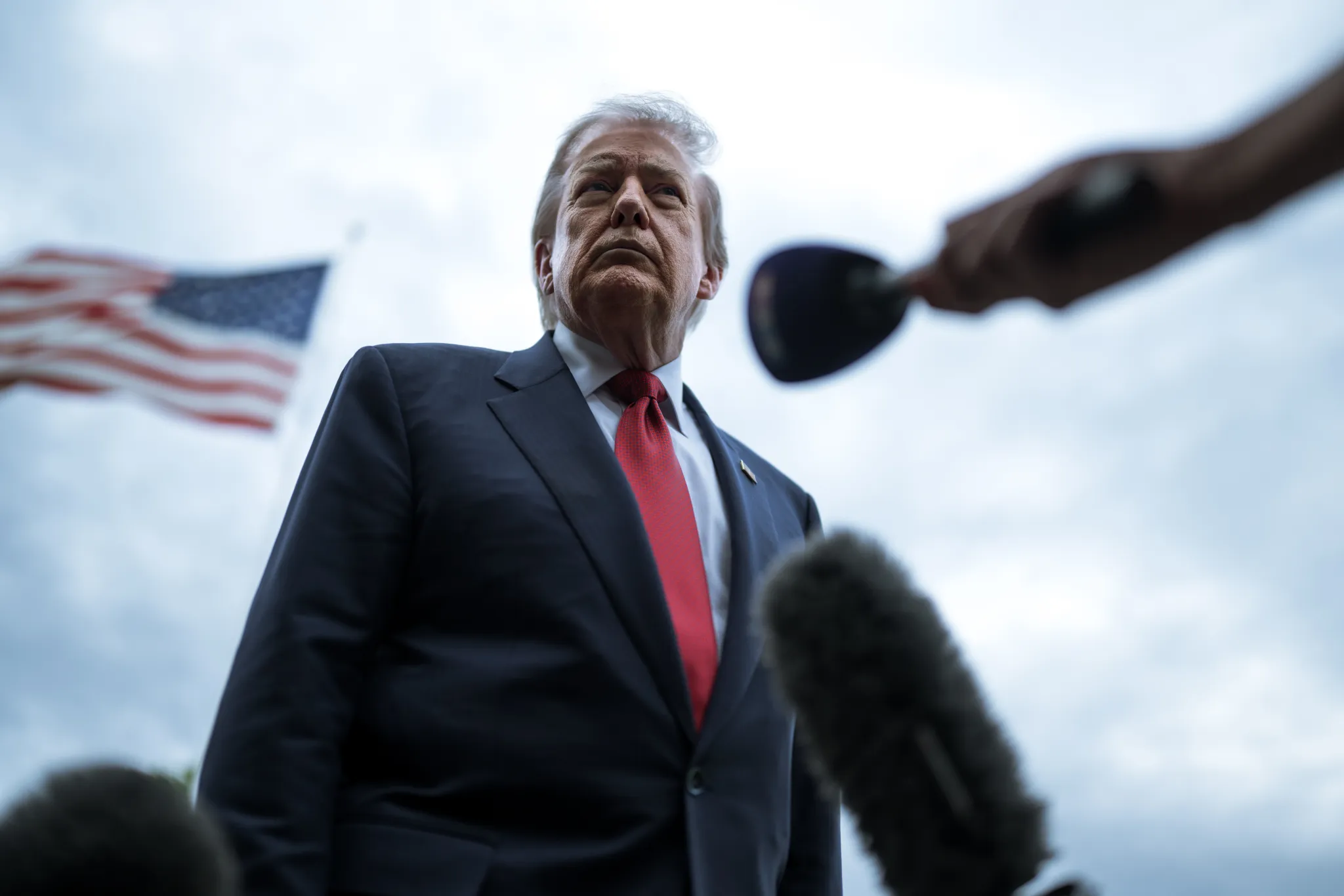

Trump Administration is under renewed scrutiny following reports that a $20 billion federal contract was awarded to a company tied to the extended family network of Jared Kushner. The deal has sparked debate over government transparency, conflict of interest concerns, and the role of politically connected investors in major public contracts.
What the $20 Billion Deal Involves
According to reporting from Reuters, the contract involves long-term federal spending tied to defense logistics and infrastructure operations, sectors that receive tens of billions annually from the U.S. government.
The company awarded the contract is described as having strong financial backing from investors connected to Kushner’s family circle. While the firm reportedly met technical and financial requirements, critics argue that the political connections surrounding the deal raise serious concerns.
Large federal contracts in defense-related sectors are often awarded through competitive bidding, but watchdog groups warn that influence and access can still shape outcomes behind the scenes.
Kushner Family Ties Draw Attention
At the center of the controversy is the involvement of a relative of Jared Kushner, frequently described in reports as part of a network of investors with exposure to defense and post-conflict reconstruction industries.
While Kushner himself has not been accused of direct involvement in the contract decision, his role inside the Trump White House has intensified scrutiny. As a senior advisor, Kushner had broad influence over foreign policy and strategic initiatives.
According to ProPublica, ethics experts have repeatedly warned that overlapping political roles and private financial networks can create situations where public trust is undermined, even in the absence of clear legal violations.
Concerns Over “War Economy” Profits
Some analysts and advocacy groups have framed the deal as part of a broader pattern of “war economy” contracting, where private firms profit from military operations, reconstruction efforts, and global instability.
According to analysis published by Center for International Policy, defense contracting has increasingly concentrated among a small number of firms and investors, many of whom maintain close ties to political decision-makers.
Critics argue that the Kushner-linked investment network fits into this pattern, raising questions about whether taxpayer-funded contracts are being directed toward politically connected entities.
Trump Administration Response
Officials from the Trump administration have defended the deal, stating that it followed all legal procurement processes. According to statements cited by The Wall Street Journal, the contract was awarded based on merit, cost efficiency, and the company’s ability to deliver on complex federal projects.
Supporters of Donald Trump argue that such criticism is politically motivated and note that large-scale contracts have long been awarded to firms with extensive financial and political networks.
However, ethics watchdogs argue that legality alone is not sufficient. They stress that transparency and accountability are essential when billions in taxpayer funds are involved.
Pattern of Conflict-of-Interest Concerns
The controversy adds to a broader history of ethical concerns during the Trump presidency. Donald Trump faced repeated criticism for maintaining business interests while in office, while Jared Kushner’s financial holdings and family business ties were also subject to scrutiny.
According to Brookings Institution, modern presidential norms have typically required strict separation between public office and private business interests, standards critics say were weakened during the Trump administration.
Political and Public Reaction
The $20 billion contract has prompted calls for investigation from lawmakers and transparency groups. Some members of Congress are urging oversight committees to review the full procurement process and determine whether any conflicts of interest influenced the outcome.
According to coverage by BBC News, public trust in government spending decisions declines sharply when contracts appear to benefit politically connected individuals.
At the same time, Trump allies continue to dismiss the controversy, arguing that successful business networks are naturally interconnected and that such ties do not automatically indicate wrongdoing.
Why This Story Matters
The scale of the deal, $20 billion, places it among the largest federal contracts in recent years. Such agreements are funded by taxpayers and play a critical role in national infrastructure and defense.
Transparency advocates warn that even the perception of favoritism can damage confidence in government institutions. Stronger disclosure rules and independent oversight mechanisms are needed to ensure accountability in high-value contracts.
The Bigger Picture: Money, Power, and Influence
This case highlights a long-standing issue in American politics: the intersection of money, power, and policy decisions. Defense and infrastructure spending remain some of the most lucrative sectors for private contractors.
According to data from the Congressional Budget Office, U.S. defense spending consistently exceeds $700 billion annually, creating vast opportunities for firms with the right capabilities and connections.
Critics argue that without stricter safeguards, politically linked investors will continue to benefit disproportionately from these opportunities.
While no definitive legal violations have been confirmed, the controversy underscores the importance of transparency in public procurement. As investigations are considered and political pressure grows, the case may become a defining example of how influence and access shape major federal decisions.
Photo by Gage Skidmore on Wikimedia Commons.
For more political reporting and in-depth analysis, visit the Politics section at bdesk.news.
Continue reading:
Trump Administration Cancels $11M Catholic Charities Contract
Pentagon Prepares for Military Operation in Cuba

Michaela Reeds is an investigative journalist and reporter with a focus on politics, science, and technology. She brings clarity to complex issues, translating policy developments, scientific breakthroughs, and technological innovations into compelling stories for a broad audience. She is known for her dedication to accuracy, transparency, and in‑depth reporting.