
America’s budget airlines sector is facing mounting financial pressure as several low-cost carriers reportedly seek up to $2.5 billion in federal assistance amid soaring fuel prices, weakening travel demand, and growing fears of another major shake-up in the U.S. aviation market.
Executives from multiple discount airlines have reportedly opened discussions with federal officials over possible emergency relief measures as operational costs continue rising following renewed geopolitical instability in the Middle East.
According to aviation industry publication One Mile at a Time, airline leaders are pushing for financial support options that could include low-interest government loans, fuel tax relief, and temporary regulatory assistance as carriers struggle to absorb rapidly increasing jet fuel expenses.
Why Budget Airlines Are Under Pressure
Low-cost airlines operate on thin profit margins and depend heavily on affordable fuel and steady passenger demand to remain profitable.
Unlike larger legacy carriers that generate revenue from premium seating, international business travel, and loyalty programs, discount airlines rely primarily on economy ticket sales.
That model becomes highly vulnerable when fuel prices surge.
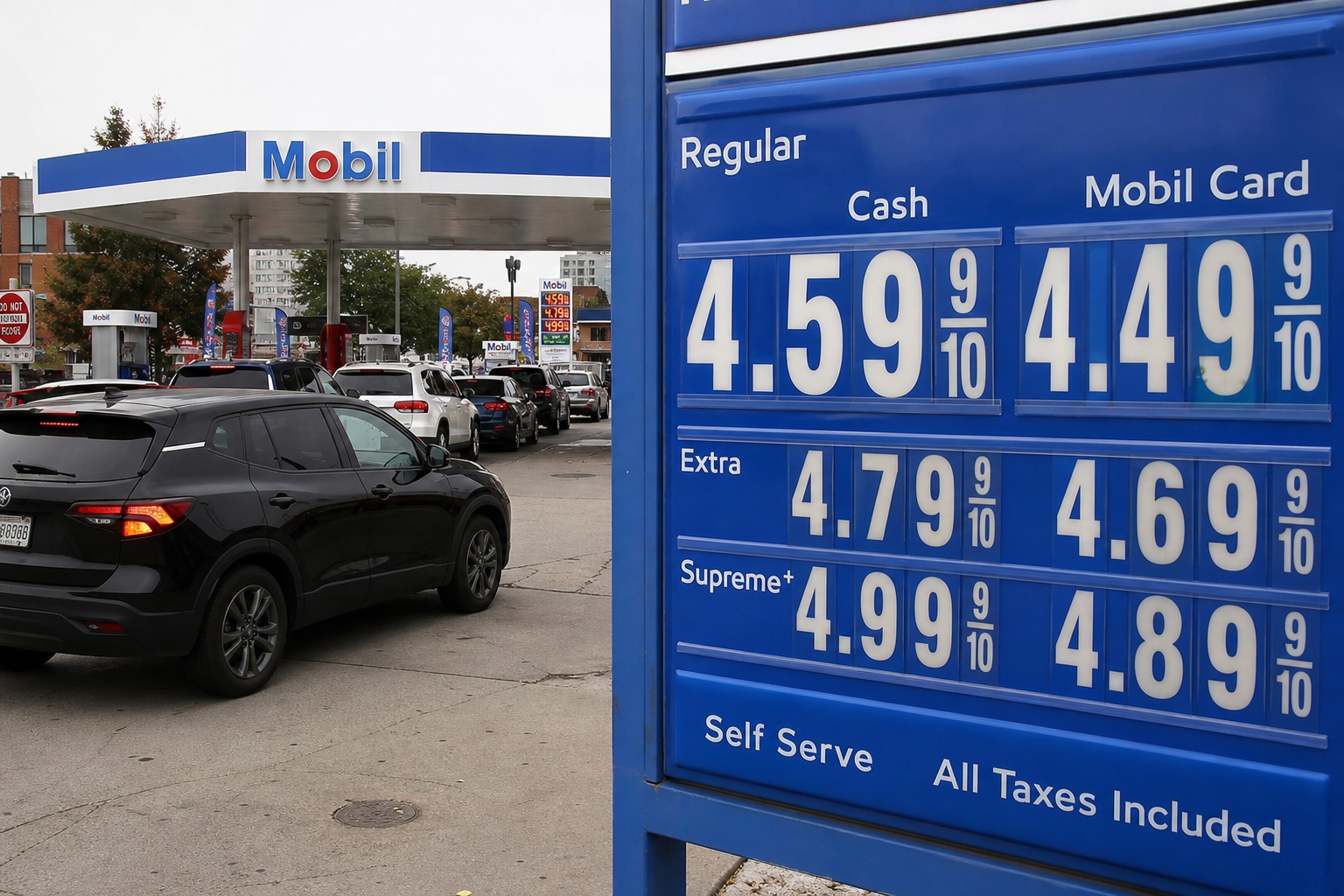
According to the International Air Transport Association (IATA), fuel remains one of the largest airline expenses globally, accounting for nearly 30% of operating costs in many cases. Rising oil prices linked to instability near the Strait of Hormuz have intensified concerns across the aviation sector.
Industry analysts cited by Reuters, warn that smaller airlines without extensive fuel hedging protections could face severe financial strain if elevated oil prices continue through the summer travel season.
Timeline of the Crisis
Early April 2026
Oil prices began climbing after escalating geopolitical tensions in the Middle East triggered fears of supply disruptions. Airlines started warning investors about potential increases in operational costs.
Mid-April 2026
Several U.S. airlines reported weaker-than-expected booking trends for late spring and summer travel periods as inflation and economic uncertainty affected consumer spending.
April 24–26, 2026
Reports emerged that multiple budget airlines were privately discussing financial assistance options with policymakers in Washington.
April 27, 2026
Industry sources told One Mile at a Time that carriers were seeking support measures potentially totaling $2.5 billion as financial pressure intensified across the sector.
Passenger Demand Is Starting to Slow
The crisis is unfolding at a time when consumer travel spending in the United States appears to be cooling.
According to recent economic data from the U.S. Bureau of Economic Analysis, household debt levels and persistent inflation continue affecting discretionary spending. Analysts say budget airline customers are especially sensitive to price increases.
To offset fuel costs, airlines may need to increase fares. But raising ticket prices could reduce demand further, especially among travelers looking for low-cost vacations and domestic flights.
Some carriers have already reportedly started reducing flight frequencies and reviewing underperforming routes.
According to analysts cited by CNBC, airlines across the sector are becoming more cautious about growth projections for the second half of 2026.
What Airlines Are Asking For
While no formal bailout package has been announced, reports suggest airline executives are discussing several possible support measures with federal officials.
These reportedly include:
- emergency government-backed loans;
- temporary fuel tax reductions;
- payroll assistance programs;
- reductions in airport-related fees;
- regulatory flexibility on scheduling and operational requirements.
Supporters of intervention argue that low-cost airlines play a major role in maintaining affordable travel access across the United States, especially for smaller cities and lower-income travelers.
Without budget carriers, critics warn that domestic airfare competition could weaken significantly.
Read More: FBI Director Kash Patel Loses Defamation Lawsuit Over MSNBC ‘Morning Joe’ Remarks
Political Resistance Is Growing
The possibility of another airline rescue package is already generating backlash in Washington.
Some lawmakers remain skeptical after the airline industry received billions of dollars in federal aid during the COVID-19 pandemic.
Critics argue airlines should have strengthened financial reserves during profitable years instead of relying on potential taxpayer assistance during economic downturns.
According to reporting from The Wall Street Journal, several fiscal conservatives have warned against creating what they describe as a “permanent bailout culture” for large corporations.
Others argue the current crisis is tied to extraordinary geopolitical risks outside airline control.
Industry Consolidation Fears Return
A prolonged financial crisis among budget carriers could trigger another wave of consolidation in the U.S. airline industry.
Smaller airlines struggling with debt and rising fuel costs may become takeover targets for larger competitors looking to expand market share.
Consumer advocacy groups have repeatedly warned that past airline mergers reduced competitive pressure in many domestic markets.
According to data from the U.S. Department of Transportation, a handful of major carriers already control most of the American domestic aviation market.
Economic Impact Could Spread Beyond Airlines
The financial problems facing budget airlines may also affect regional economies, airports, and tourism industries that depend heavily on low-cost travel.
Discount airlines often operate routes serving secondary airports and smaller cities overlooked by larger carriers. If routes are eliminated, local tourism businesses, hotels, and airport operators could face economic losses.
Travel industry experts say communities dependent on affordable domestic air service may be especially vulnerable if low-cost carriers begin scaling back operations aggressively.
Uncertainty Ahead
Federal officials have not confirmed whether any emergency assistance package is actively being considered.
For now, airline executives, investors, and travelers are watching fuel markets closely as the summer travel season approaches.
If oil prices remain high and consumer demand weakens further, analysts warn the U.S. budget airline sector could face its most serious financial test since the pandemic-era collapse of global air travel.
For more society news and cultural reporting, visit the Society section at bdesk.news.

Ethan R. Brooks is a journalist with over 11 years of experience, specializing in finance, politics, and breaking news. He delivers timely, accurate reporting on market trends, economic developments, and major political events, helping readers stay informed on the stories that matter most.